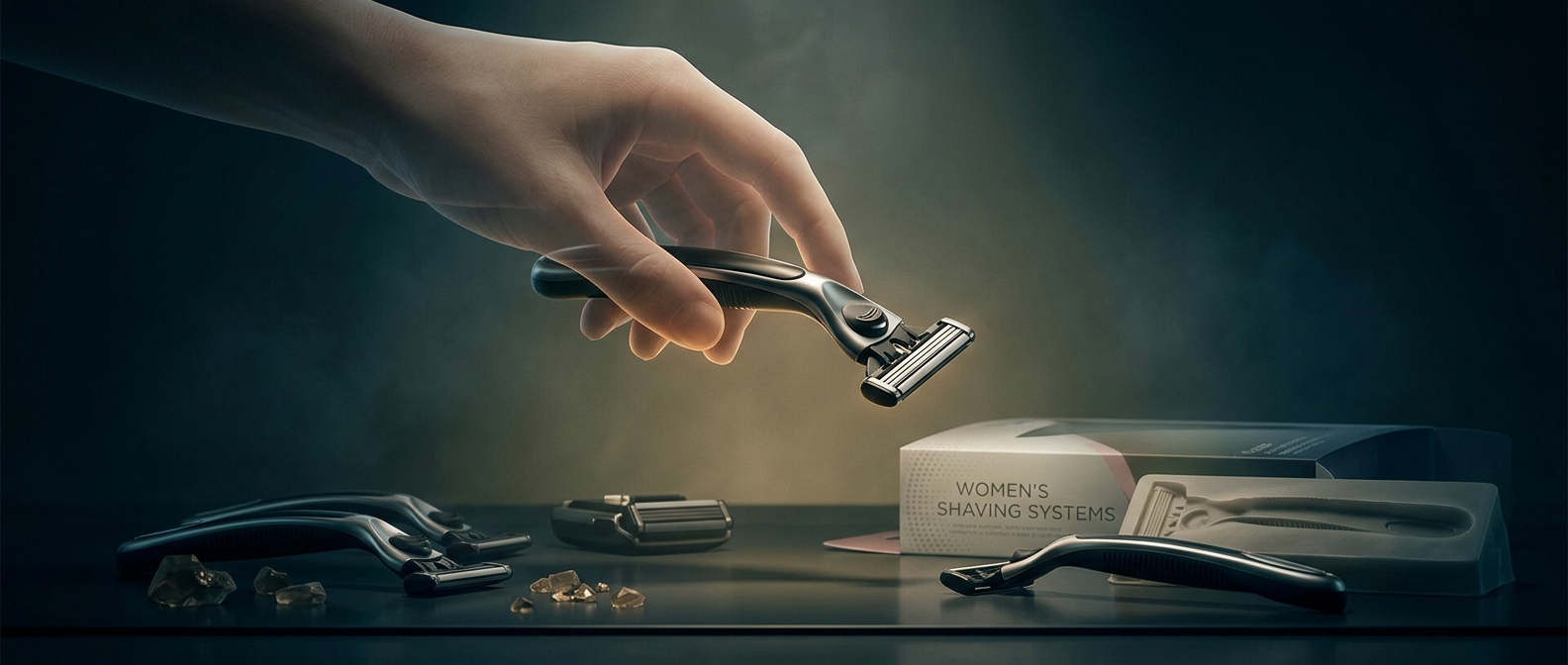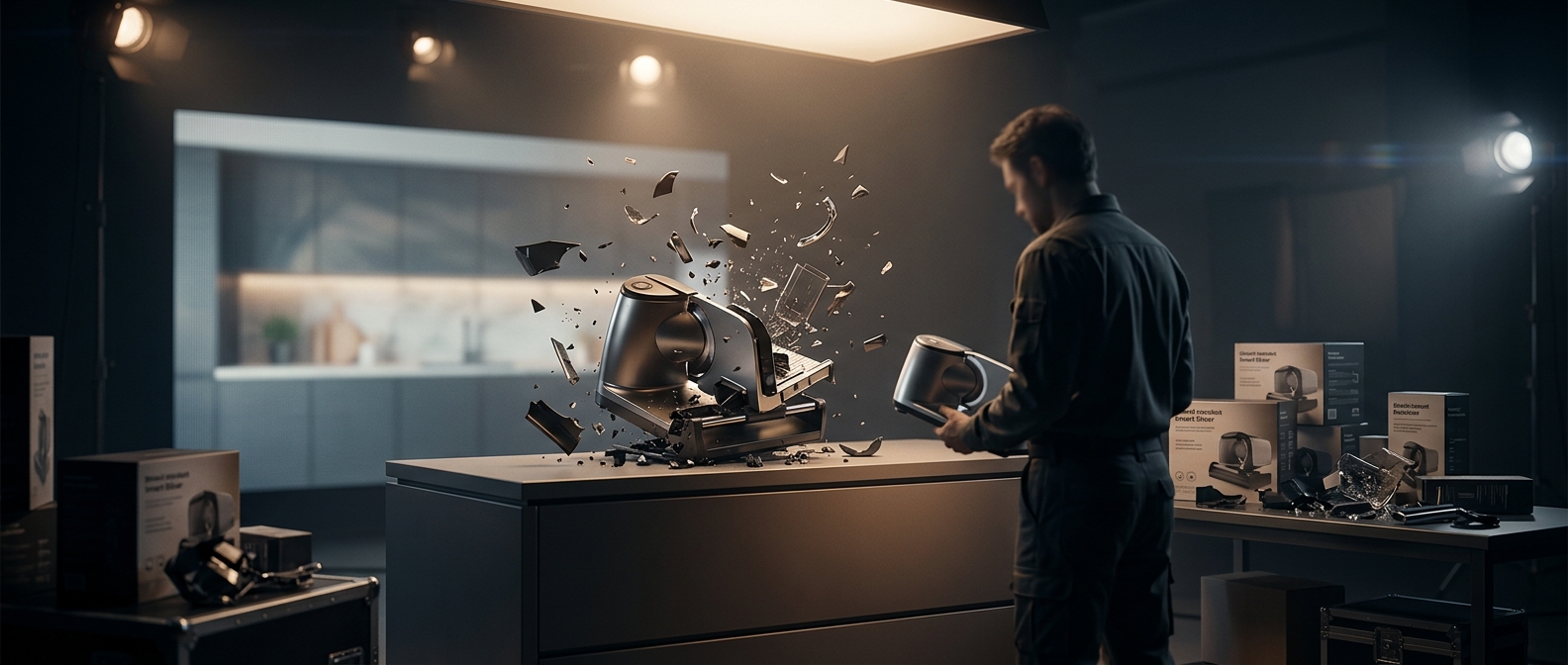
The demonstration can be tougher than the product’s everyday job
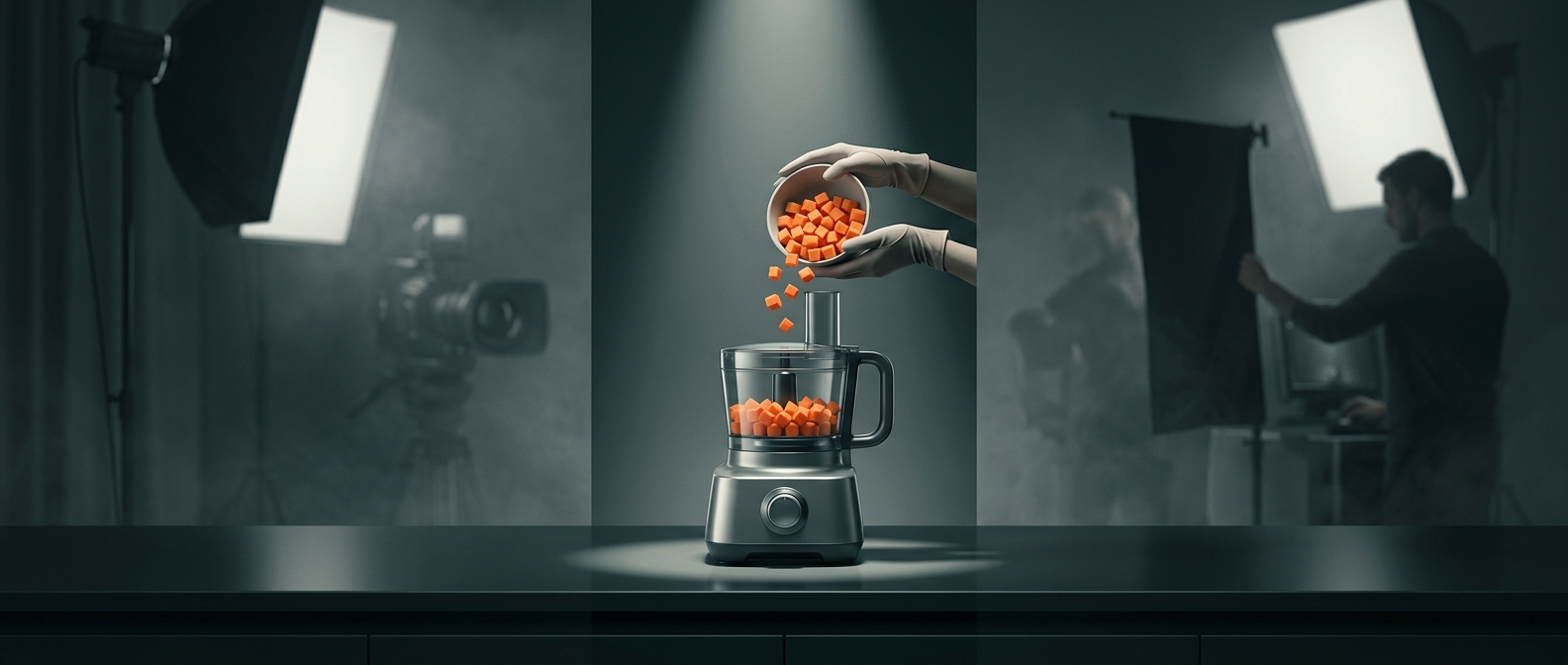
A host is not merely using a product; they are making its purpose visible to a camera. A gadget may be twisted, pressed, folded, or run through the same motion repeatedly so viewers can see what it does. Each attempt adds wear, and a movement that looks effortless on screen can put concentrated force on a hinge, seam, fastener, or other weak point.
That makes a filmed demonstration a kind of stress test. The product has to survive not just ordinary use, but a sequence of conspicuous actions performed under the pressure of a pitch. If a component is near its limit, a small shift in grip or angle can turn the next take into a break.
A prototype has to perform before it is fully proven
Some demonstrations use prototypes: early versions built to show how an idea works while its design is still being refined. A prototype can look finished and function well enough for a demonstration without yet having the durability of a thoroughly tested product. Repeated filming exposes that gap. A failure may reveal a weak connection or a part that cannot withstand the very motion the sales pitch asks the host to repeat.
The camera makes the problem especially costly. A broken product interrupts the demonstration and can undermine the claim being made, so the crew may need to reset and try again. Every failed take is both a production setback and a practical test of whether the product can reliably deliver its promised trick.