Why a Season Can Feel Like One Long Story
A television season is usually built from two kinds of momentum. Each episode has its own smaller problem or turning point, while the season carries a larger question—who will change, what will be uncovered, or how a conflict will end. When one episode leads straight into the next, the larger question stays vivid. There is little time for the viewer to forget a clue, reconsider a character’s choice, or lose the emotional thread.
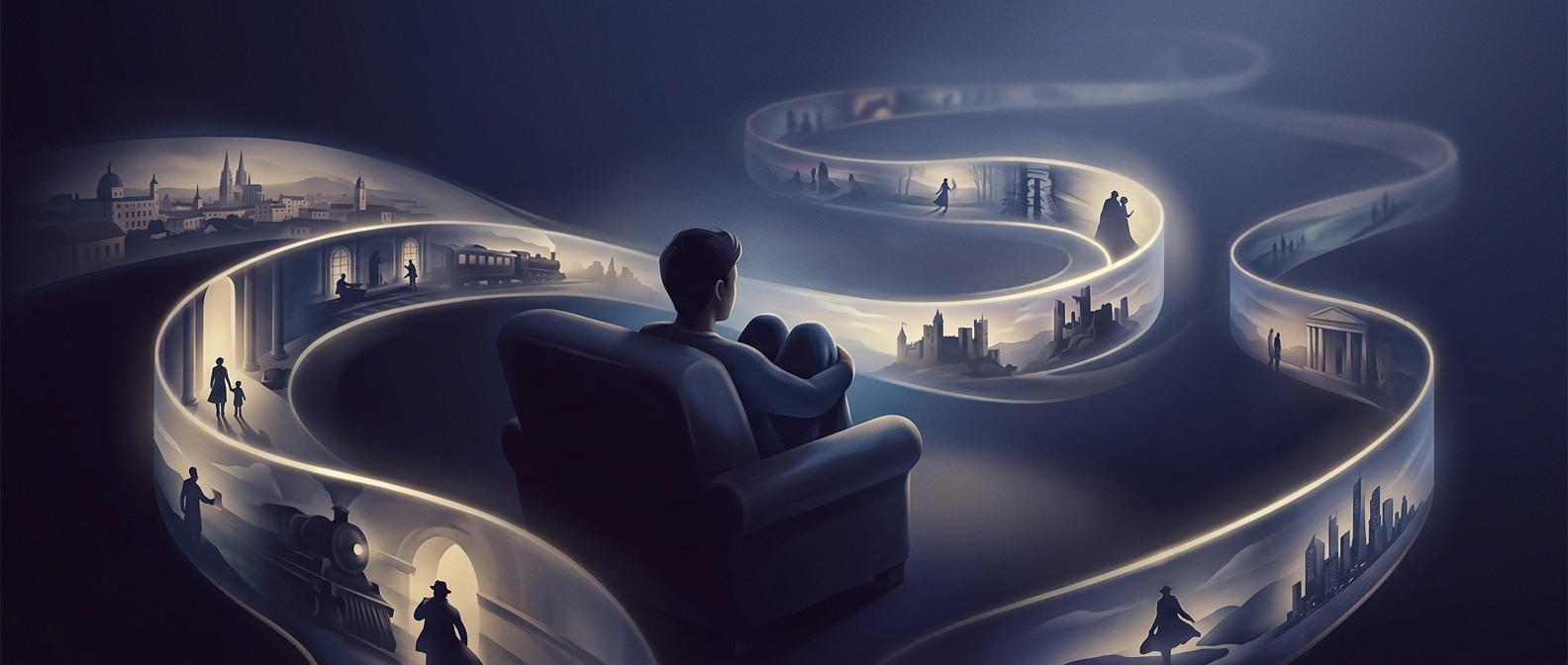
That continuity can make a season feel less like a stack of separate installments and more like a very long film. It also changes the effect of an ending: a cliffhanger no longer has to hold attention through a week of waiting. The next episode can answer it immediately, or replace it with a new uncertainty.
The Viewer Becomes Part of the Pacing
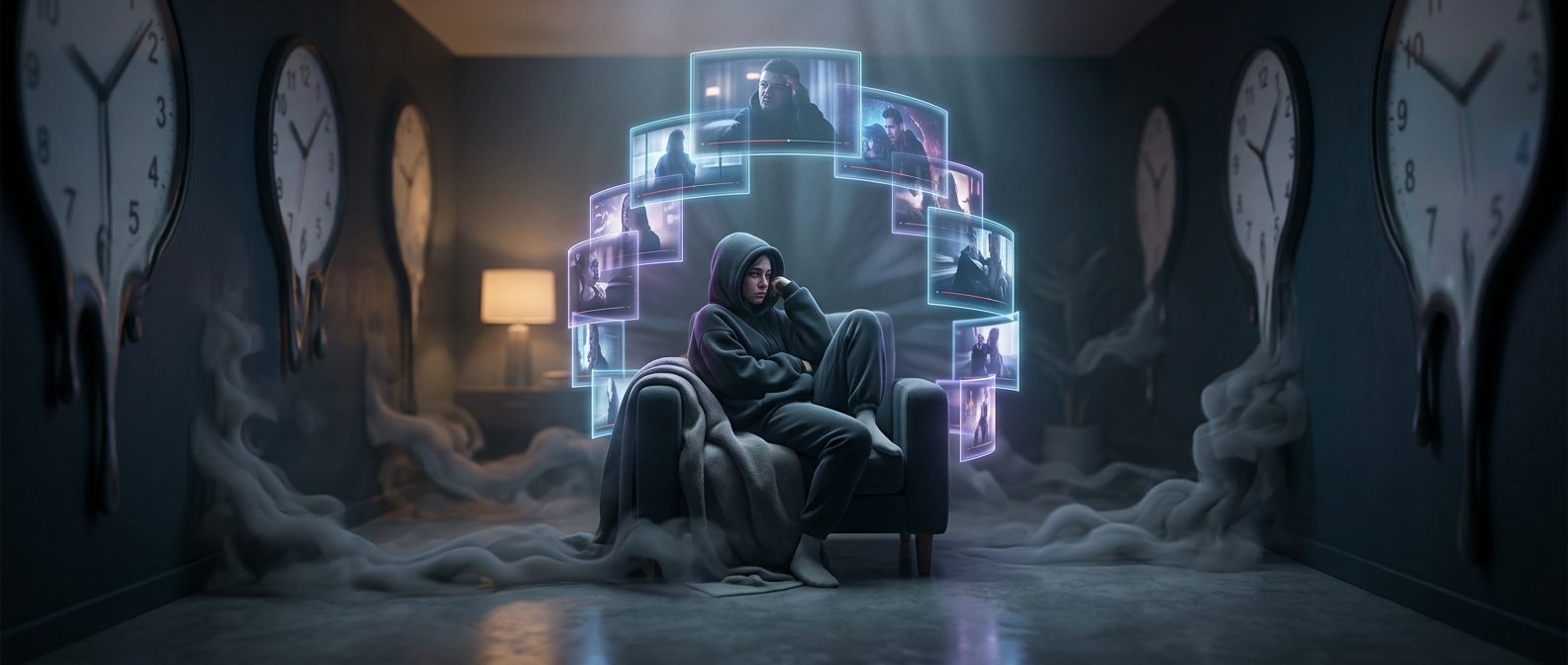
Watching continuously does not mean the story has stopped controlling the pace. A quiet episode still asks for patience; a sudden reveal still needs time to land. But without the ordinary breaks between episodes, the viewer has fewer chances to pause, talk about what happened, or let a scene settle before the next one begins. That can heighten immersion—and make it harder to notice how much time has passed.
The format also affects memory. Details introduced early remain close at hand, so recurring images, small decisions, and character shifts can feel especially connected. Yet the same uninterrupted flow can blur the shape of individual episodes. A moment that might have felt like a satisfying stopping point in a weekly schedule can become merely the next step in a longer chain.
The tradeoff is not simply more story in less time; it is a different experience of story. A season designed to sustain anticipation across weeks can, in one sitting, become an unusually concentrated emotional arc—with the viewer’s attention serving as the bridge between every episode.