When a Story Becomes Your Main Environment
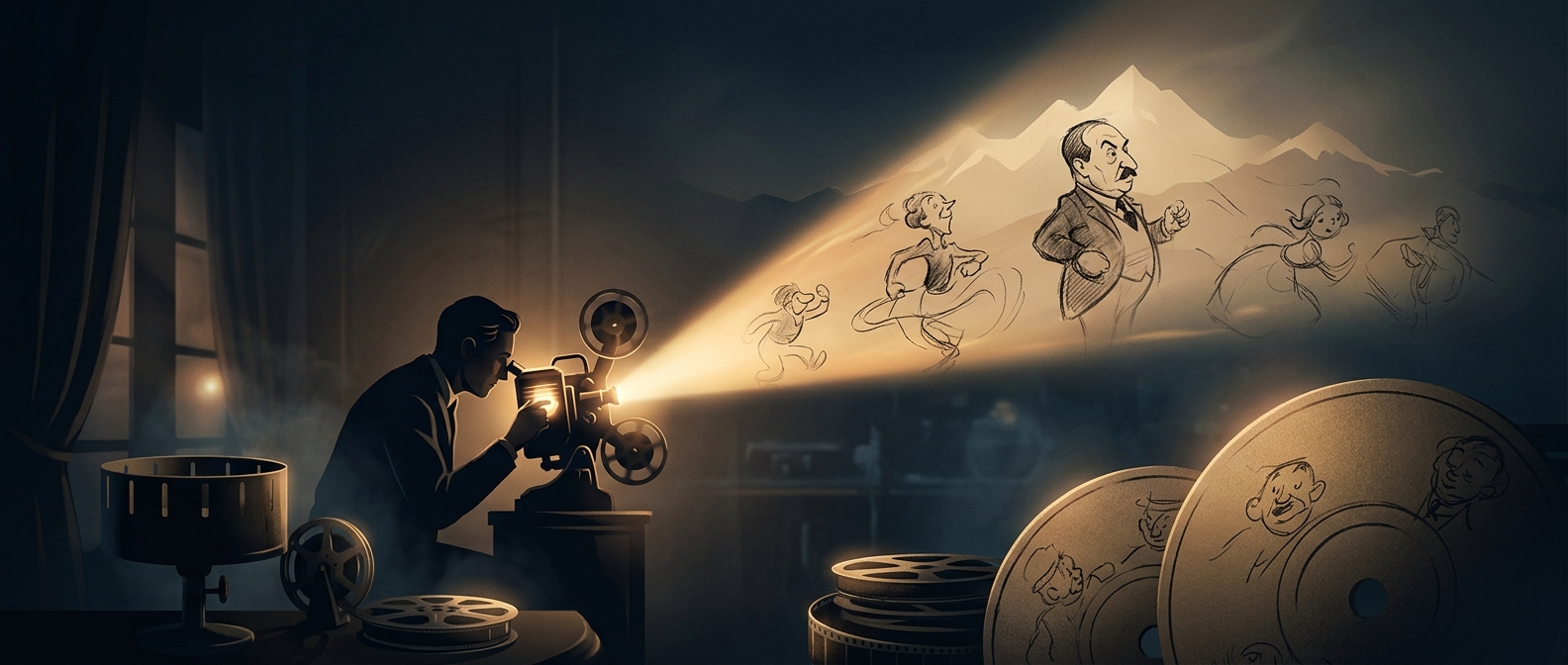
A long cartoon marathon does more than occupy the hours: it gives attention a steady stream of characters, problems, jokes, and emotional payoffs. With little interruption, the mind can settle into the show’s rhythm and treat its fictional world as the main thing to track. Familiar characters may begin to feel like company, even though the relationship is one-sided.
Why the Ending Can Feel Like a Drop
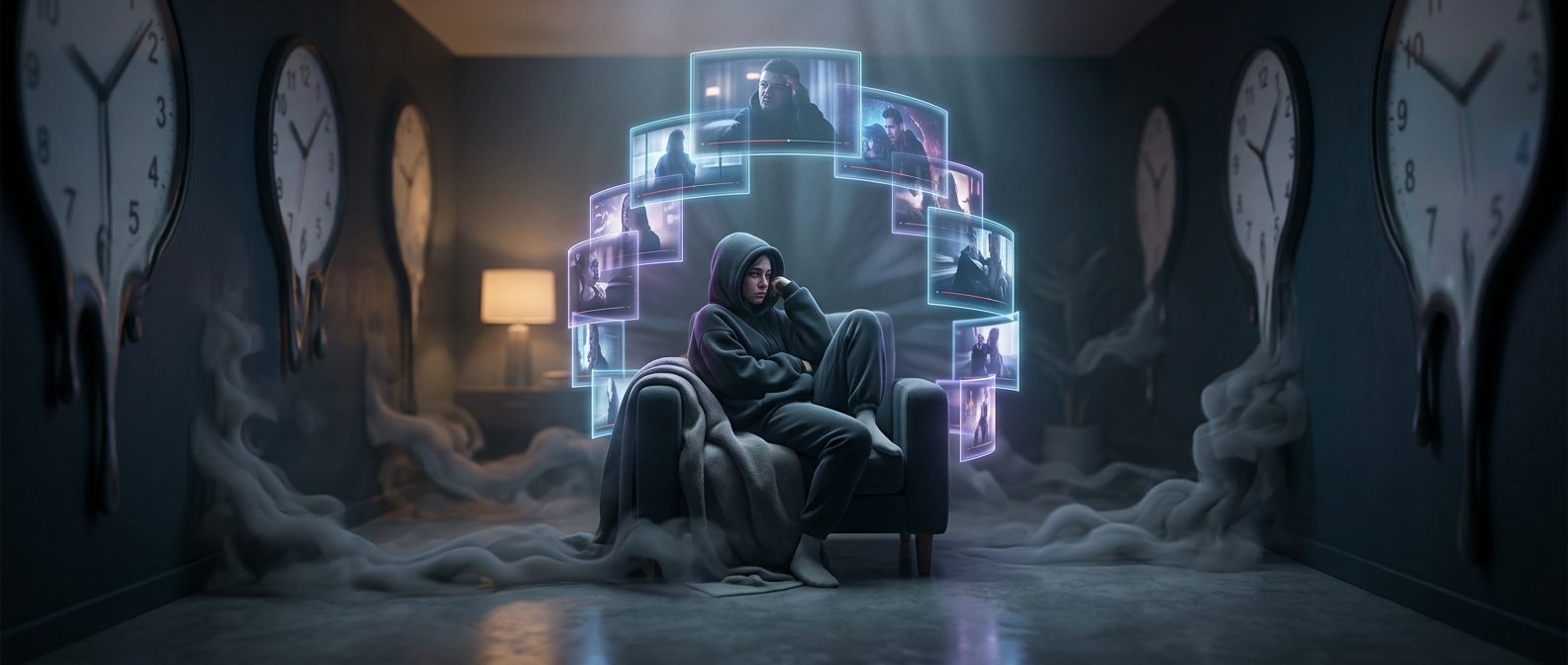
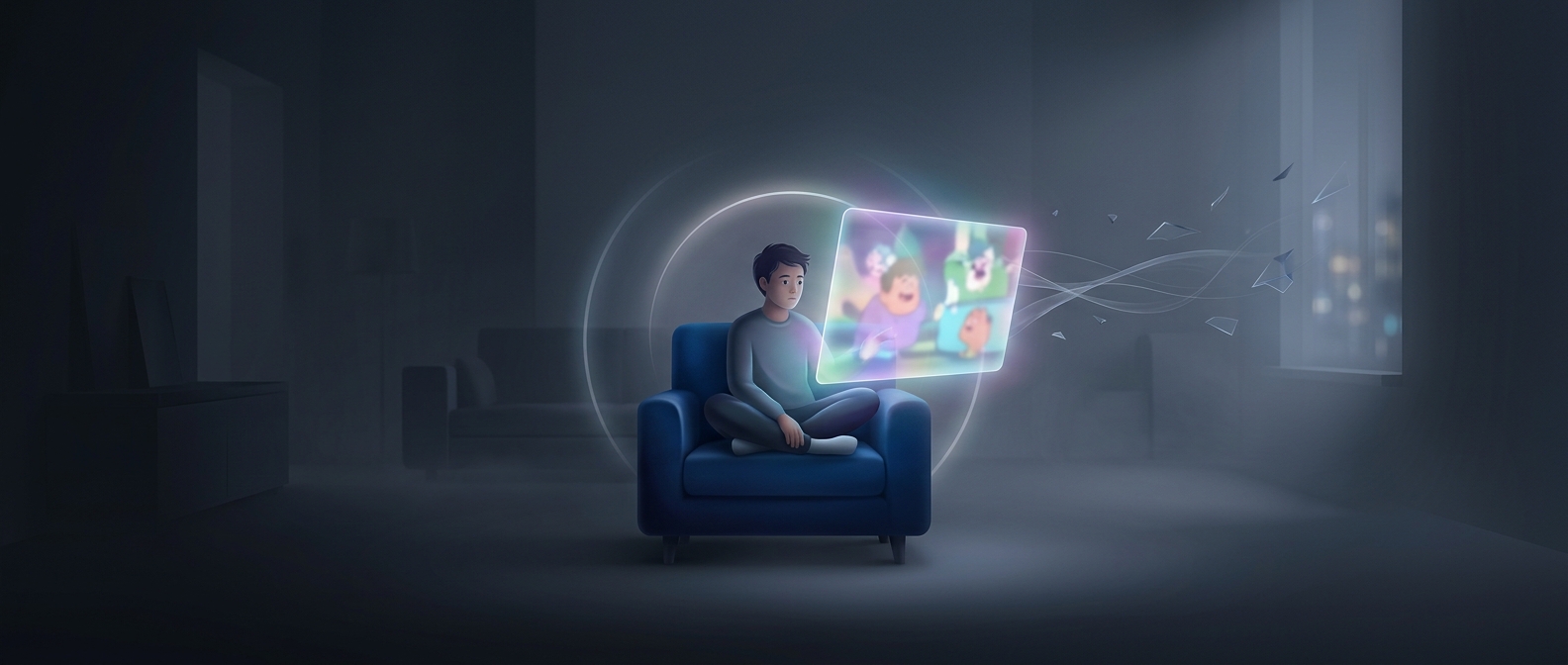
Episodes keep offering small reasons to stay engaged: a joke lands, a problem gets solved, or a new question leads into the next installment. When that stream stops, those cues vanish at once. Ordinary surroundings may seem unusually quiet or flat by comparison—not because they have changed, but because attention has to shift away from a vivid, tightly organized story.
The contrast is sharper when the marathon ends abruptly. A planned finale can provide emotional closure; simply turning off the screen may leave the story feeling unfinished, while also ending the familiar routine of watching. That combination can produce a brief sense of letdown or disorientation.
A Small Transition Helps
The feeling usually makes more sense as a transition than as evidence that anything is wrong. Standing up, getting some light, or doing a simple task gives attention a concrete bridge back to the room and the day. The striking part is how quickly a fictional world can become the mind’s temporary center of gravity—and how noticeable its absence can be when the screen goes dark.