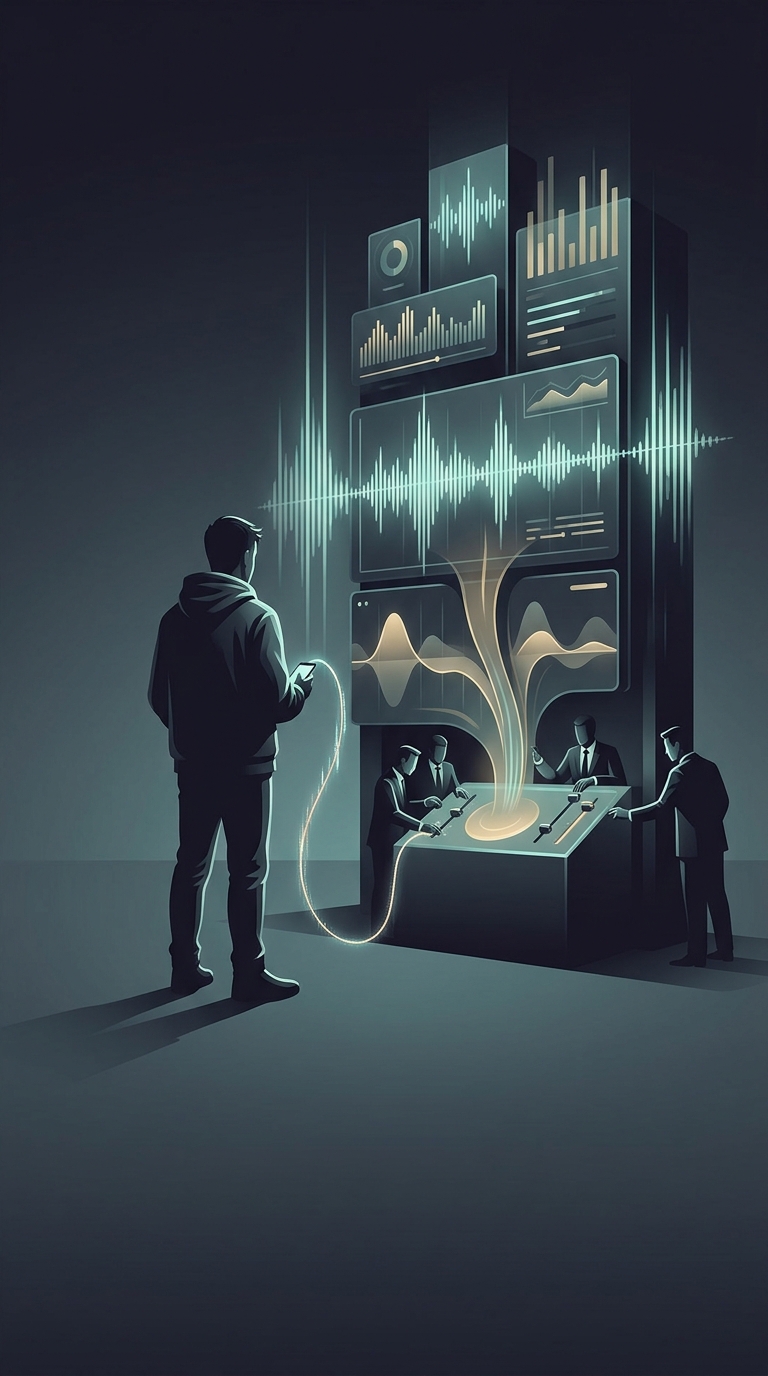
How a livestream turns viewers into a crowd
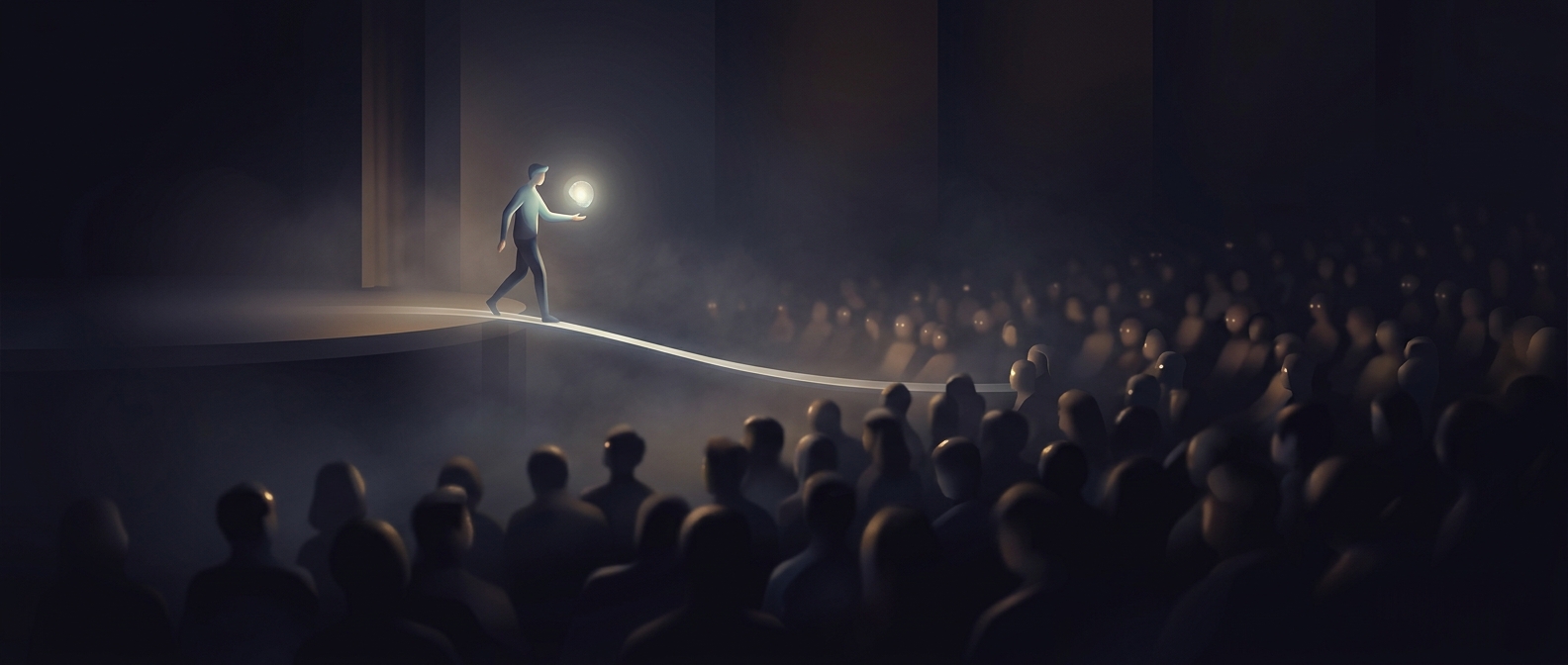
A livestream gives people who may be watching alone something to react to together. The streamer provides a shared focus; the chat supplies a running chorus of comments, jokes, questions, and emotes. Because messages appear while the event unfolds, viewers can respond to the same surprise or punchline at nearly the same time. That timing makes the audience feel less like a list of separate viewers and more like a group in the room.
Small signals create a sense of belonging
Regulars learn the channel’s recurring jokes, greetings, and emotes—small images or symbols used in place of words. Using them is a way to show, “I know how this room works.” Seeing familiar usernames return can reinforce that feeling, even when viewers have never met offline.
The streamer’s presence matters, too. A person speaking directly to a camera can feel personally engaging, and reading or responding to chat makes the exchange seem more reciprocal. But the interaction is uneven: one streamer may be addressing many people, and an individual message may go unnoticed. The feeling of closeness can be real without being the same as a mutual friendship.
A community with a screen-shaped boundary
Livestreaming makes participation easy to fit around private routines: a viewer can listen from bed, join the chat, or simply watch without speaking. That flexibility lowers the effort required to be present, but it also means community members may have very different levels of involvement. Some are active participants; others are quiet viewers who still recognize the group’s rhythms.
The result is neither a room full of friends nor just a broadcast. It is a shared event built from a live performance and many small audience responses. A familiar emote arriving in chat at the right moment can make a solitary viewer feel, briefly and concretely, that other people are there too.