When the Host Left the Desk
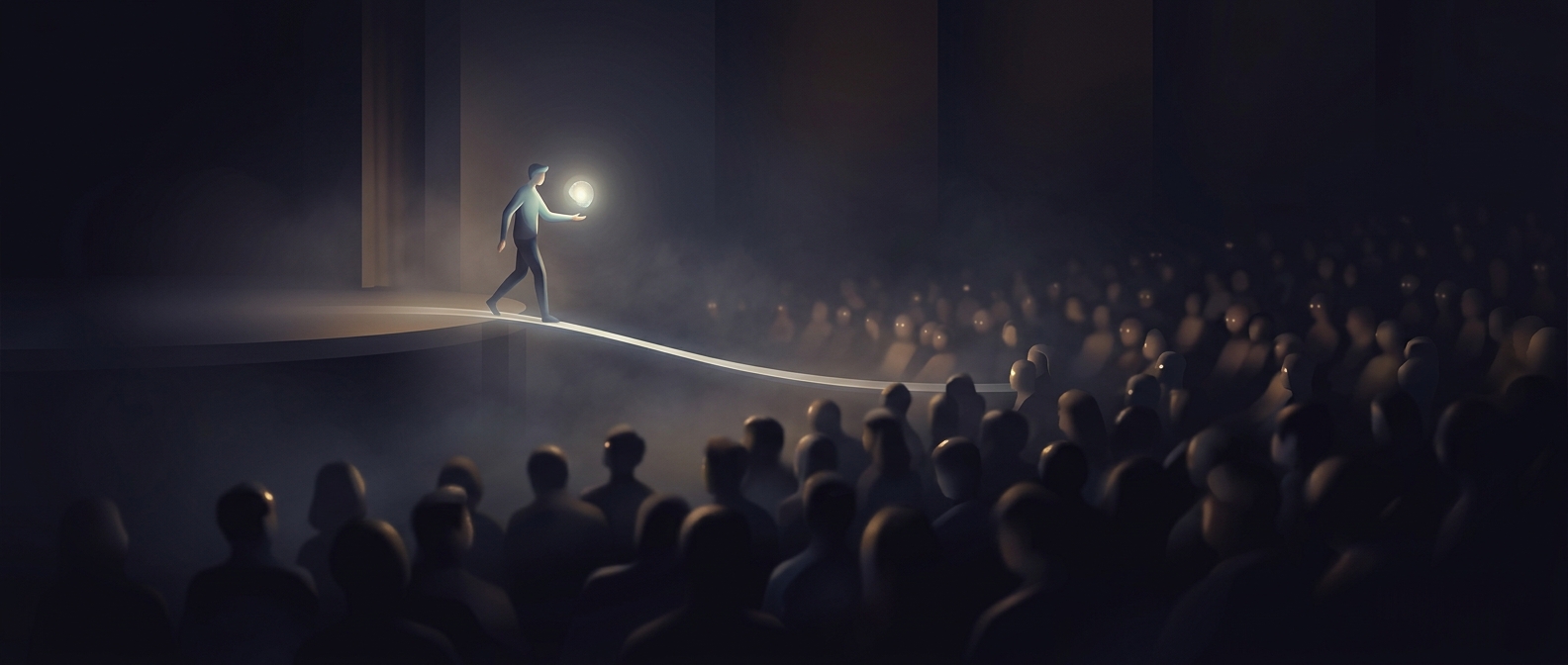
A host who steps into the audience changes the shape of a talk show. Instead of directing every question from a desk, the host becomes a bridge between the guest and people in the room. Viewers see a real person raise a hand, explain what they want to know, and pursue an answer in their own words.
That move can make an interview feel less like a prepared exchange and more like a conversation unfolding in public. The host still chooses whom to call on and when to move the discussion along, but the audience gains a visible role in setting its direction.
Why an Improvised Move Could Stick
In a chaotic live broadcast, a spontaneous walk into the crowd can solve an immediate problem: it gives the host a way to find the next question and keep the program moving. It also supplies something a tightly scripted interview cannot easily reproduce—the uncertainty of not knowing exactly what someone in the room will ask.
Once audiences respond to that energy, the approach can become a repeatable format. Producers can reserve time for questions, while hosts use the room itself as part of the set. The original improvisation becomes a recognizable promise: the conversation might go somewhere the guest or host did not plan.
That promise depends on balance. Questions from the floor can make a program feel open and direct, but the host must still select speakers, manage time, and keep the exchange coherent. The lasting change is not simply that a host walks among the seats; it is that the audience becomes part of the interview rather than just its backdrop.