How a studio audience becomes part of the show
A game show audience is not just a group of people watching from the seats. Its reactions help make the contest feel lively to viewers at home. Applause, laughter, and visible anticipation fill pauses between questions and give a contestant’s win or loss a sense of occasion.
That makes audience selection and seating part of production. When hopefuls are screened for outgoing, high-energy personalities, producers are looking for people likely to react visibly and readily. Those who seem quieter can be seated farther from the cameras, where their expressions are less prominent in the finished broadcast.
The camera turns energy into a visual cue
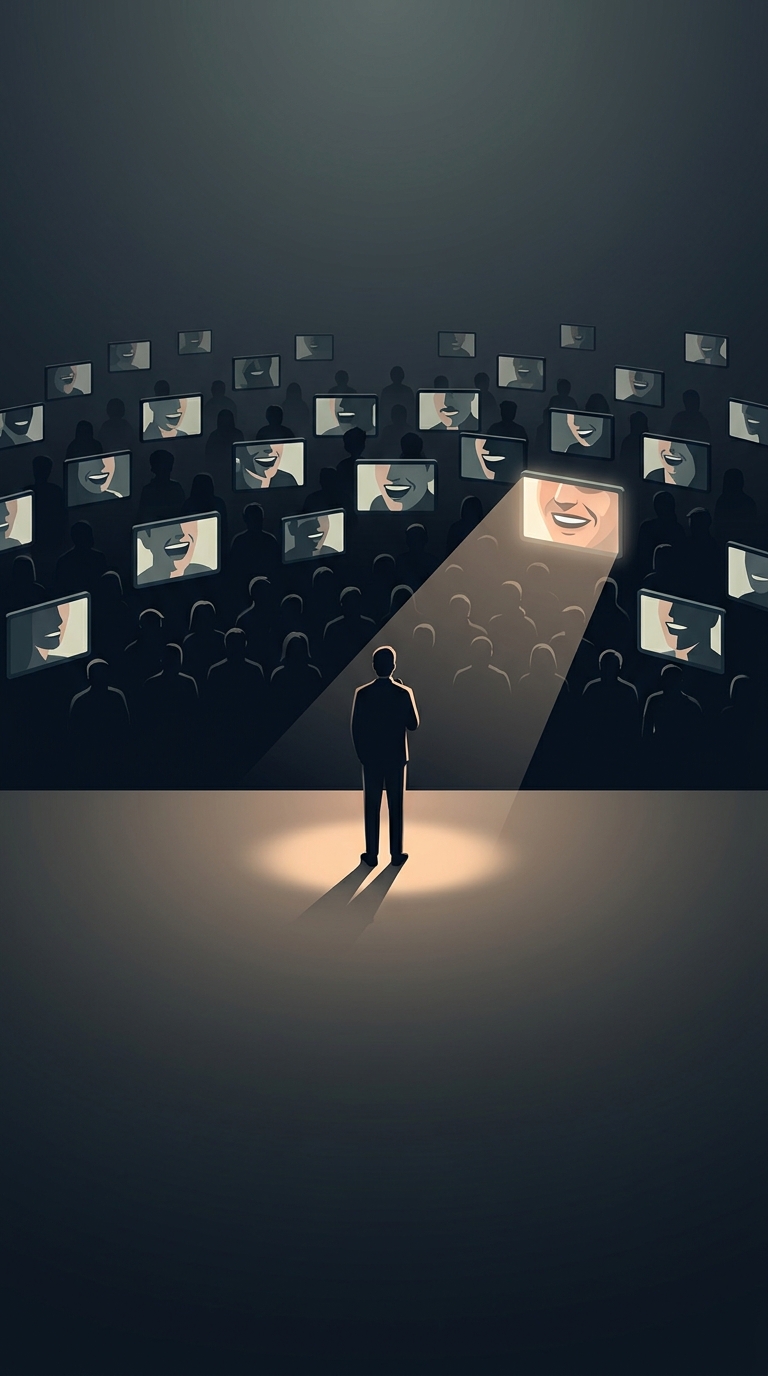
A television audience sees only the portion of the room chosen by the camera. A shot of people cheering can make excitement seem widespread, while quieter faces outside the frame do not register. The result is not necessarily a room in which every person is equally exuberant; it is a room presented through selected reactions.
That selection can also reinforce itself. Lively reactions give nearby spectators cues about when to clap or respond, and the cameras can then capture the most animated moments. What looks like spontaneous, uniform excitement is partly shaped by casting, seating, and framing.
The effect matters because audience enthusiasm helps set the emotional scale of the game. A correct answer can feel like a major triumph when the crowd reacts as if it is one—even if the broadcast’s most visible excitement comes from only part of the room.