How games decide when a model can lose its detail
A detailed object may contain thousands of tiny surfaces that shape its silhouette, corners, and shadows. From far away, many of those details occupy only a few pixels on screen. Drawing them accurately can cost processing time without making the object look noticeably better.
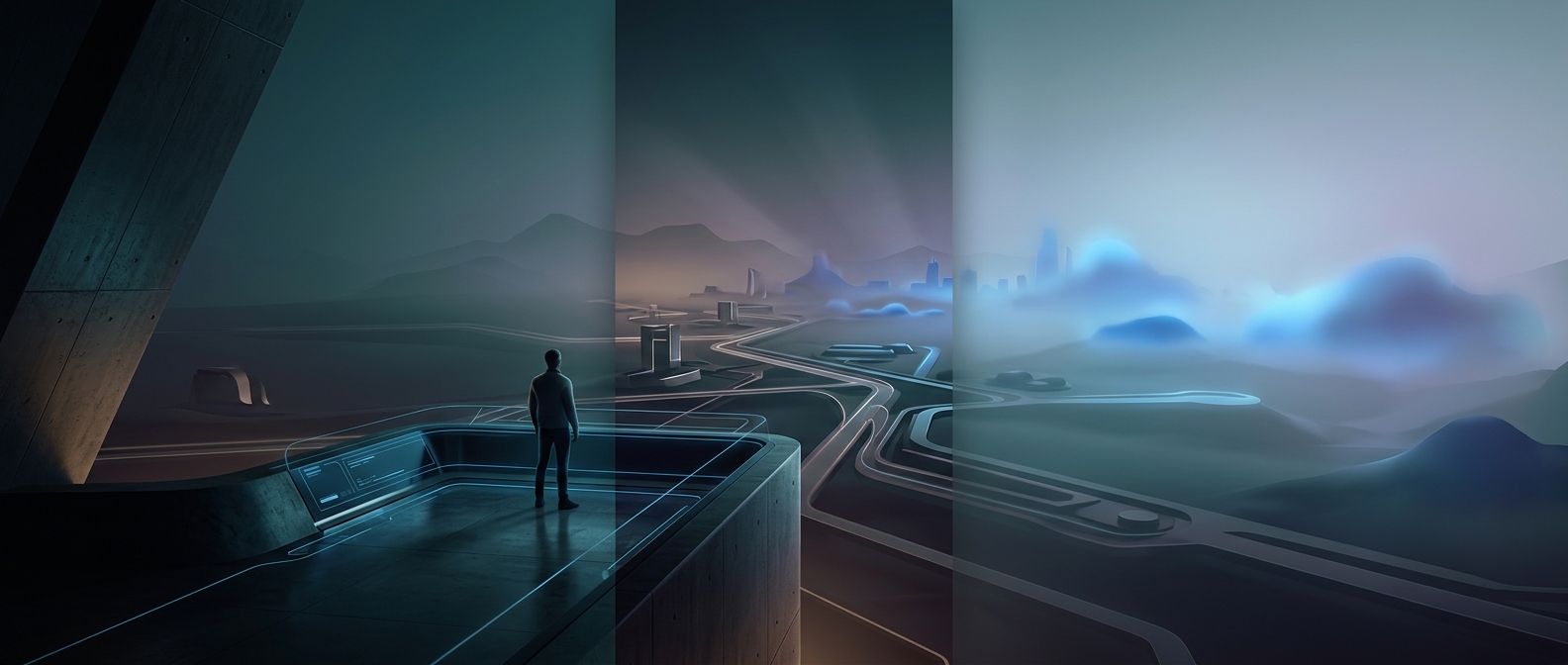
To avoid that waste, developers create alternate versions of an object at different levels of detail, often called LODs. The game estimates how large the object appears on screen—usually using its distance from the camera—and chooses a version suited to that size. A faraway building might use a coarse outline, while a nearby one needs its windows, trim, and uneven surfaces.
The swap is a balancing act
The game can change versions abruptly at a chosen distance, but that may make an object visibly “pop” as its shape changes. To soften the switch, engines may fade between versions, or developers may arrange the simpler model so its silhouette stays close to the detailed one. They can also add distant detail with textures: a painted window, for example, can suggest depth without requiring a separate piece of geometry.
There is no single threshold that works for every object. A thin tower can remain recognizable far away, while a small, finely patterned object may lose its important features quickly. Camera angle, screen resolution, movement speed, and the surrounding scene all affect whether a change is noticeable. Developers tune the handoff so the reduced version becomes visible only when its missing details are unlikely to matter.
Saving work where the player cannot see it
Each simpler version reduces the amount of geometry the graphics hardware must process; keeping fewer detailed assets active can also ease memory demands. That leaves more capacity for objects near the player, lighting, effects, or a larger view of the world.
The apparent “blob” is therefore not just a crude substitute. It is a carefully timed reduction in detail: the game spends its effort on what occupies the screen, and stops paying for features too small to see.