Why a Ship Needs Help Inside a Lock
A lock is a concrete chamber that raises or lowers a ship between stretches of water at different heights. Its walls leave little room for a large vessel to maneuver, and the ship’s rudder works best when water is flowing past it. At the very low speeds needed in a lock, steering alone cannot reliably keep a huge hull centered.
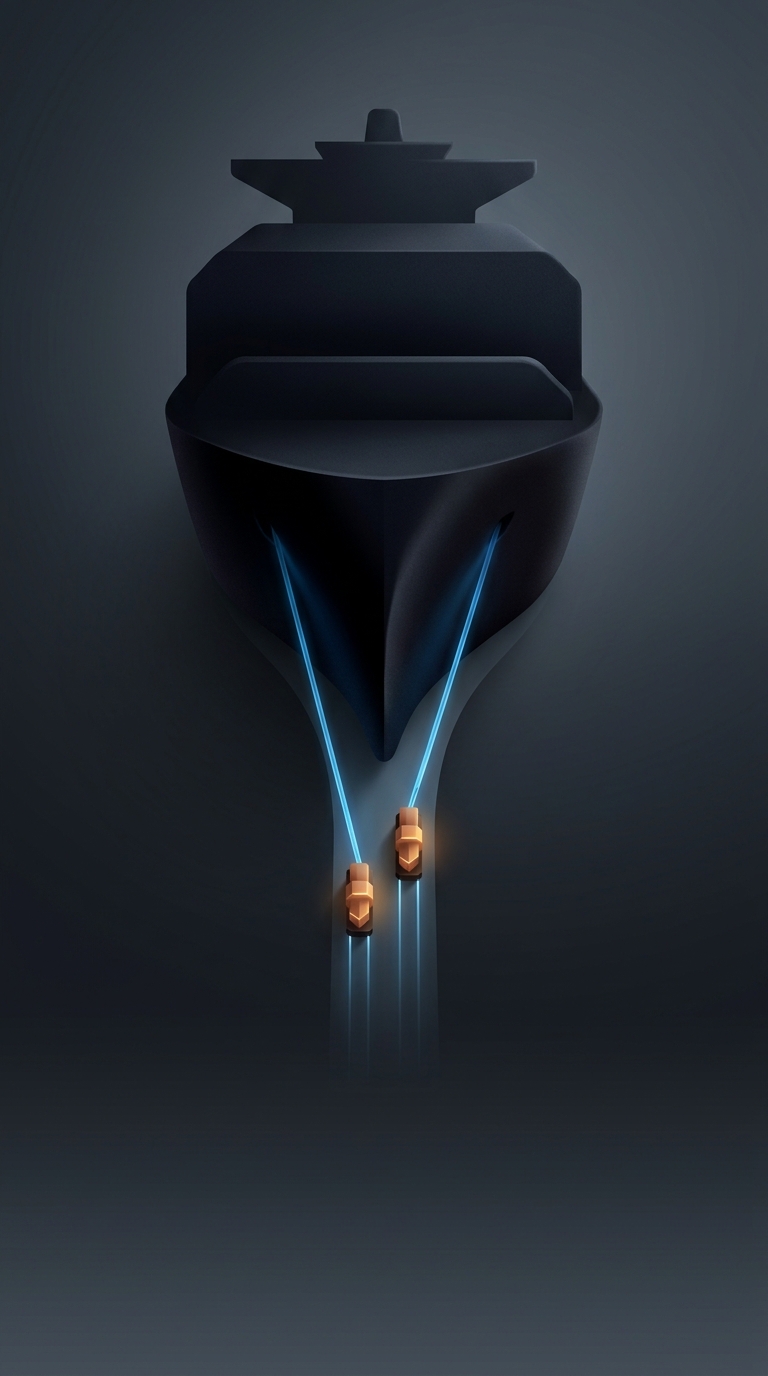
That is where the Panama Canal’s electric locomotives—called mules—come in. They run on rails along the lock walls and connect to the ship with cables. Their job is not to tow the vessel forward, but to control its position and limit sideways drift as it passes through the chamber.
Cables Control the Drift; Engines Provide the Drive
As the ship moves through the lock, the mules adjust the tension and direction of their cables. Working from both sides, they can help keep the vessel aligned and prevent it from swinging toward the concrete. The ship’s own engines provide the forward motion; the locomotives act more like moving guides and stabilizers than tugboats.
That division of labor matters because even a small sideways movement can be dangerous when a ship’s hull is close to a rigid wall. The cables give crews a way to manage that movement gradually, while the ship advances at controlled speed.
A Precise Passage Through a Tight Space
The mules turn a difficult steering problem into a coordinated operation: the ship supplies propulsion, while locomotives on the rails help maintain its track through the lock. Once the vessel is aligned and moving safely, the lock can carry out its larger task of changing the ship’s water level.
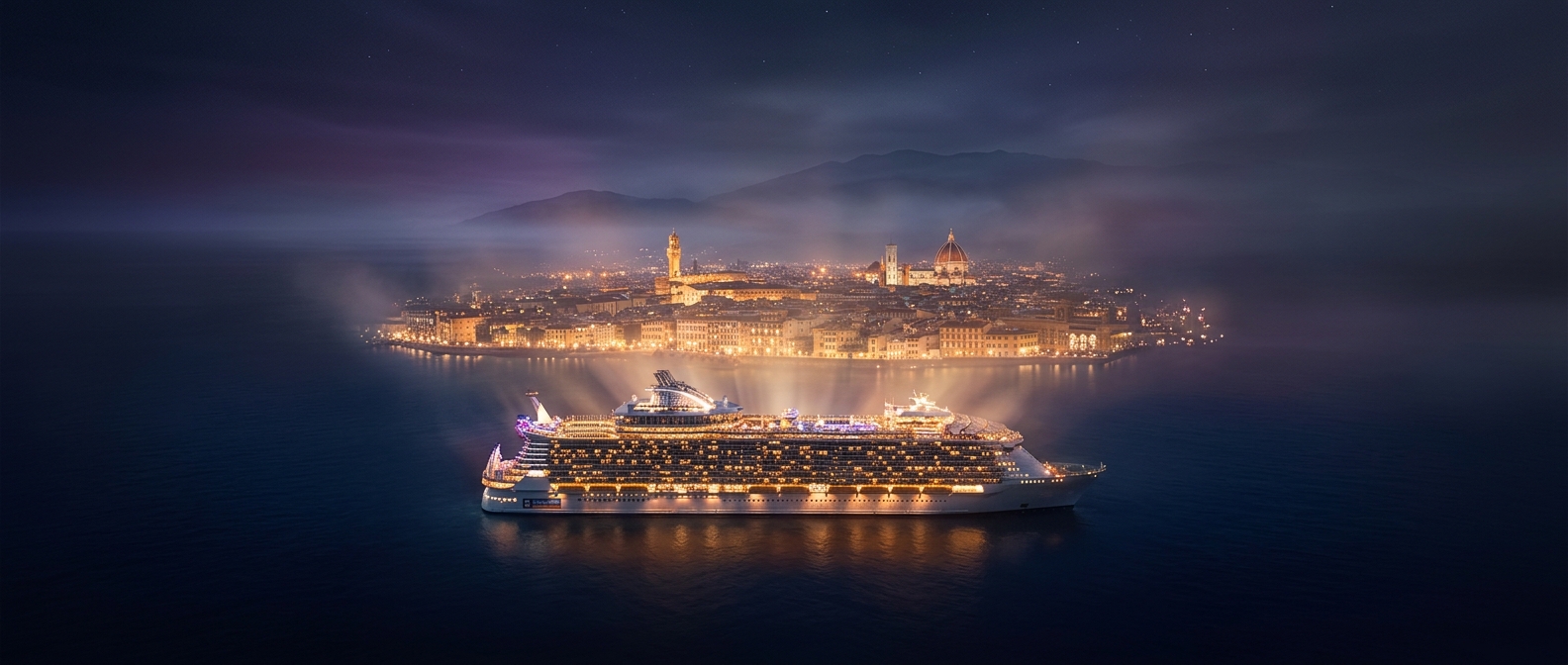
The memorable image is also the practical one: locomotives “walk” beside a floating skyscraper, not to pull it along, but to keep it from scraping the hallway.