A ship’s electrical load changes by the hour
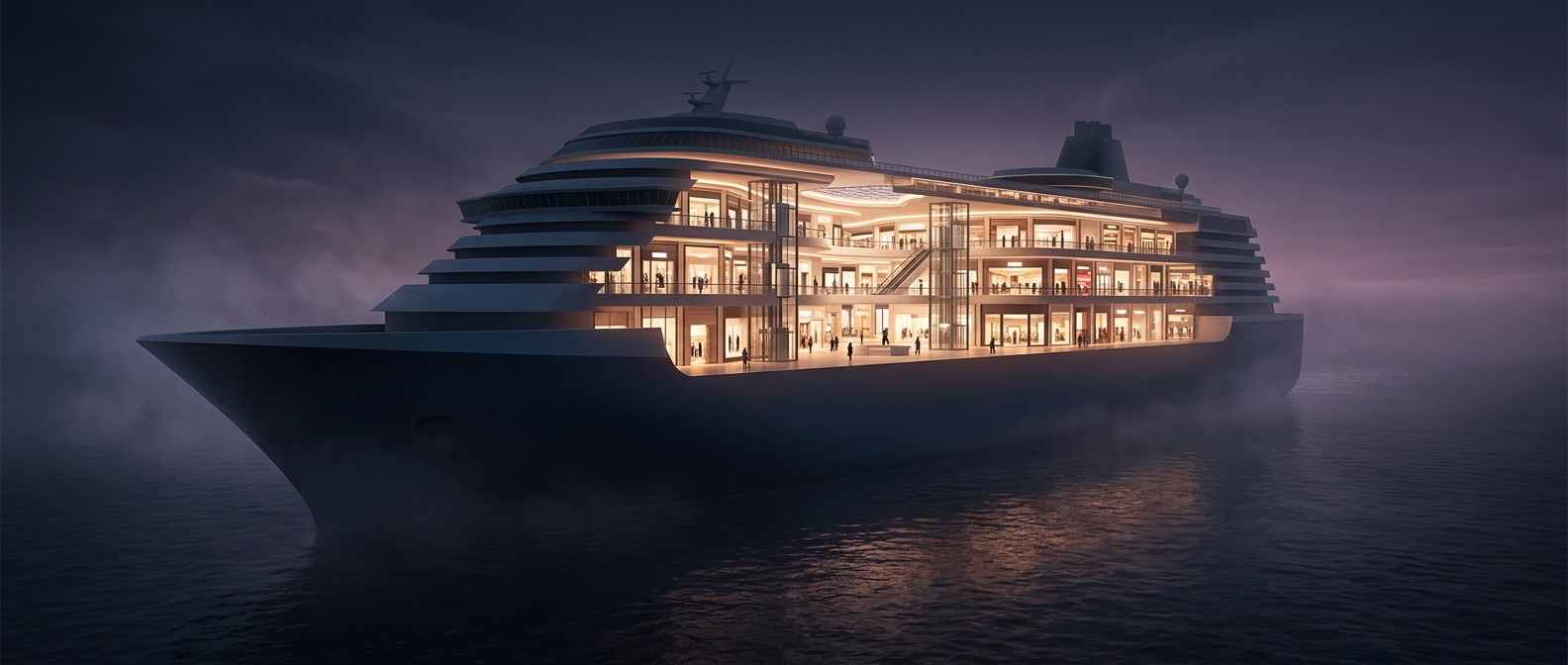
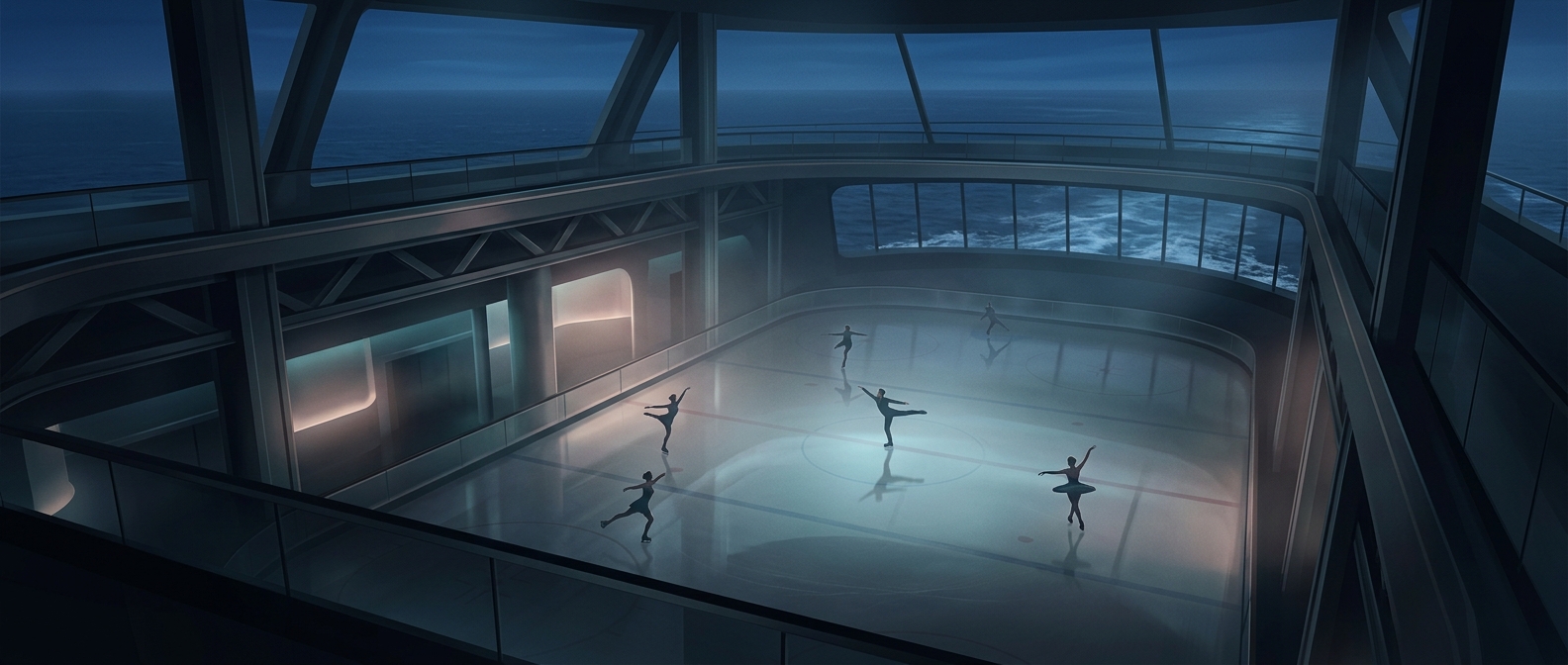
A cruise ship does not use power only to move through water. Its generators also run pumps, ventilation, lighting, kitchens, refrigeration, water treatment, elevators, and entertainment systems. These needs continue while the ship is in port or anchored, even when propulsion is minimal.
The demand is uneven. Air-conditioning can work harder in hot weather; kitchens and laundry add loads at busy times; and systems such as pumps cycle on and off. Engineers have to provide enough capacity for these overlapping peaks, not just for an average day.
Turning fuel into motion and electricity
On many modern cruise ships, engines drive generators, which produce electricity for the ship. That electricity can power hotel systems and, on diesel-electric designs, motors that turn the propellers. Other ships use different propulsion arrangements, but they still need substantial generating capacity for onboard services.
The electrical network distributes power across a vessel where demand is spread among many decks and spaces. It also has to keep essential equipment supplied if a generator or part of the network fails. That means capacity and backup systems take up space and add weight—both costly on a ship, where every design choice affects fuel use and available room.
Why the hotel load matters at sea
A cruise ship’s “hotel load” is the power used to make life aboard work, from cooling cabins to treating wastewater. It can remain a major demand even when the vessel is not traveling quickly. At sea, generators must balance that load against propulsion; in port, the ship may still need substantial electricity without using its engines to push forward.
That is why a ship can burn fuel while standing still: keeping thousands of people comfortable and the vessel’s systems operating is itself a large engineering job.