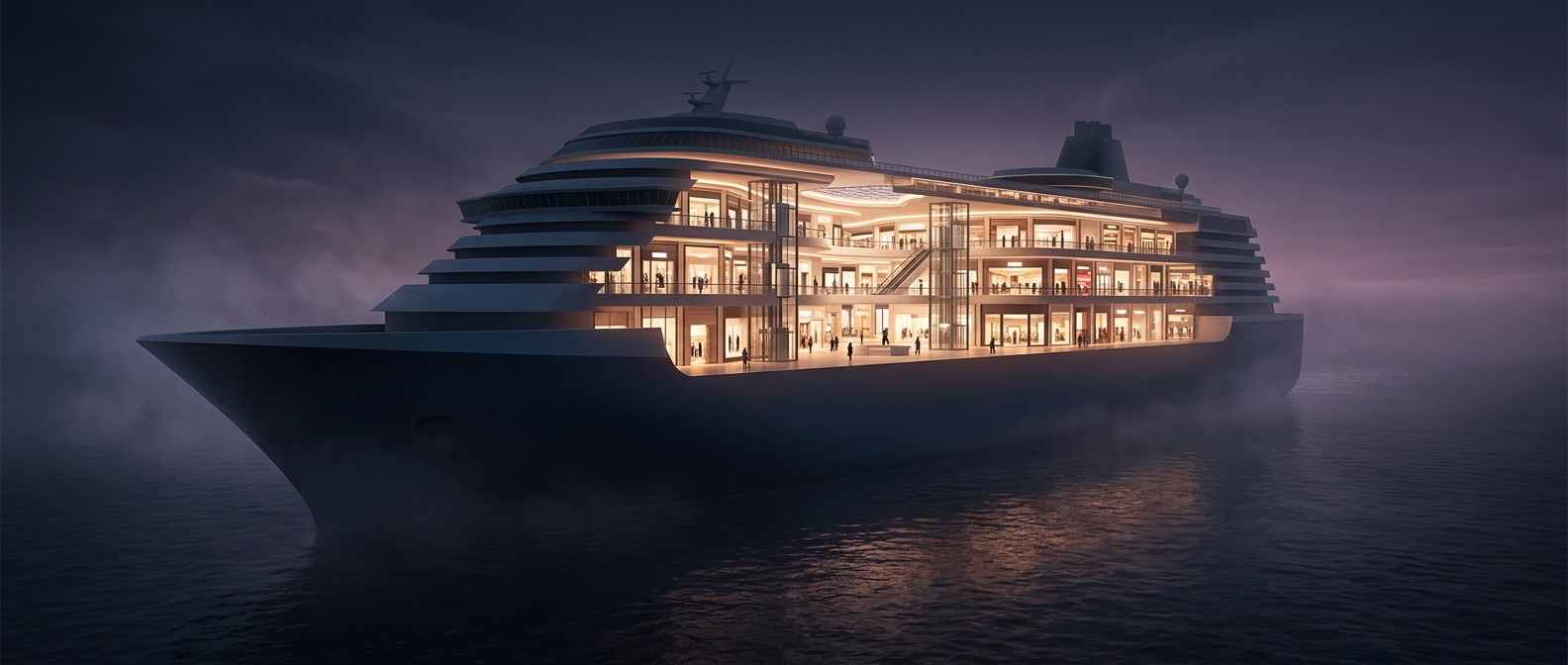
Why cruise ships bring the destination onboard
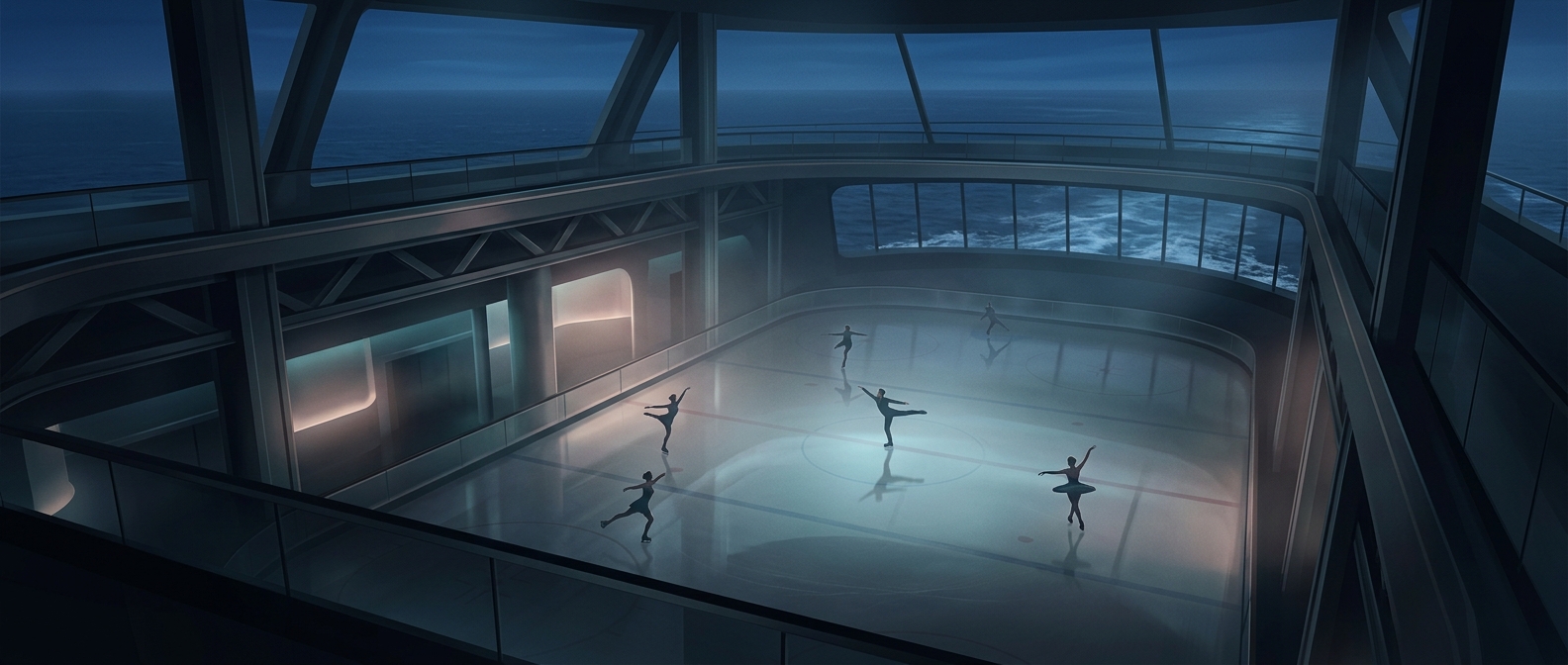
A cruise ship has an unusual business problem: it must keep guests occupied while moving, and it cannot simply add a restaurant or stage show once it leaves port. So attractions, dining and shopping are built into the vessel from the start. Public spaces become part of the travel experience, not just amenities waiting between excursions.
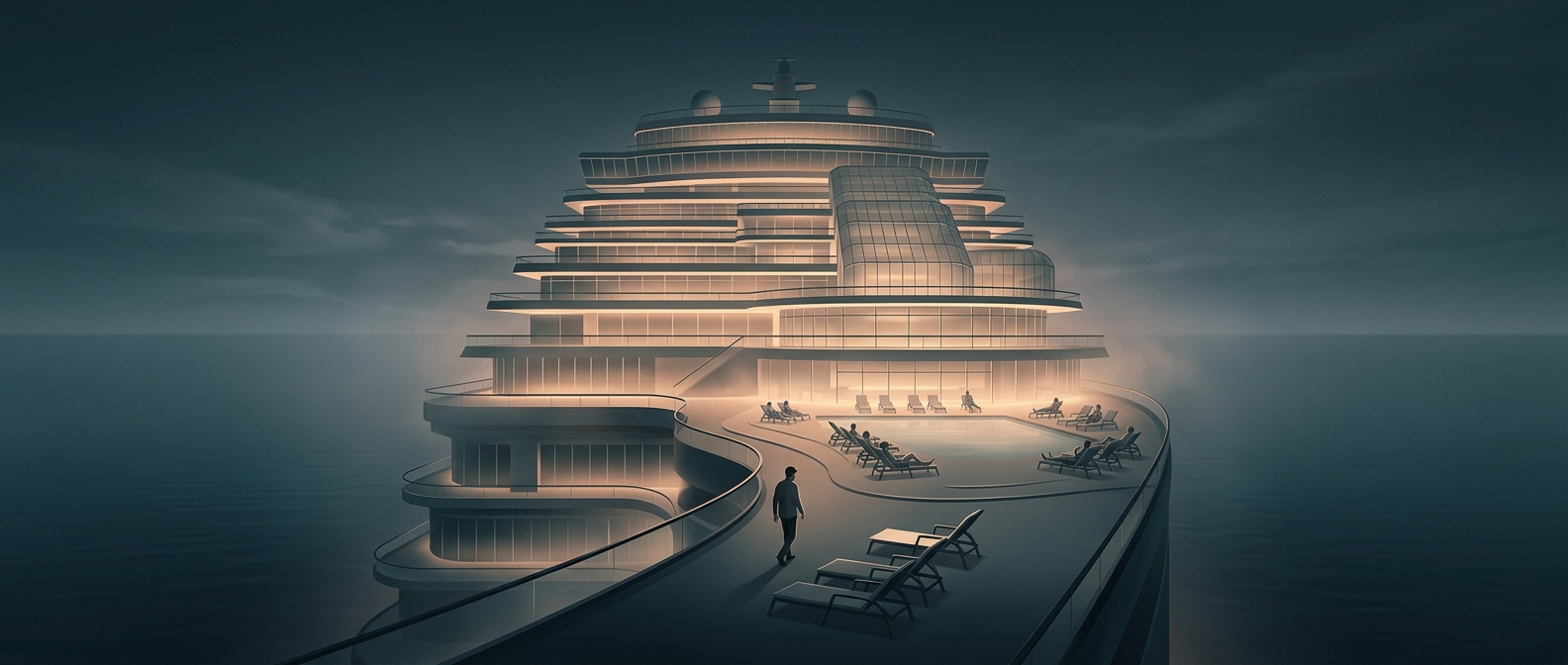
That design also gives the ship a role beyond transportation. A port-to-port journey has fixed stretches at sea, while an onboard venue can serve passengers throughout them. The ship’s layout directs people through shared spaces—past cafés, shops and entertainment—as they move between cabins, meals and activities. For operators, those venues can generate spending as well as make the trip feel fuller.
The attraction has to work at sea
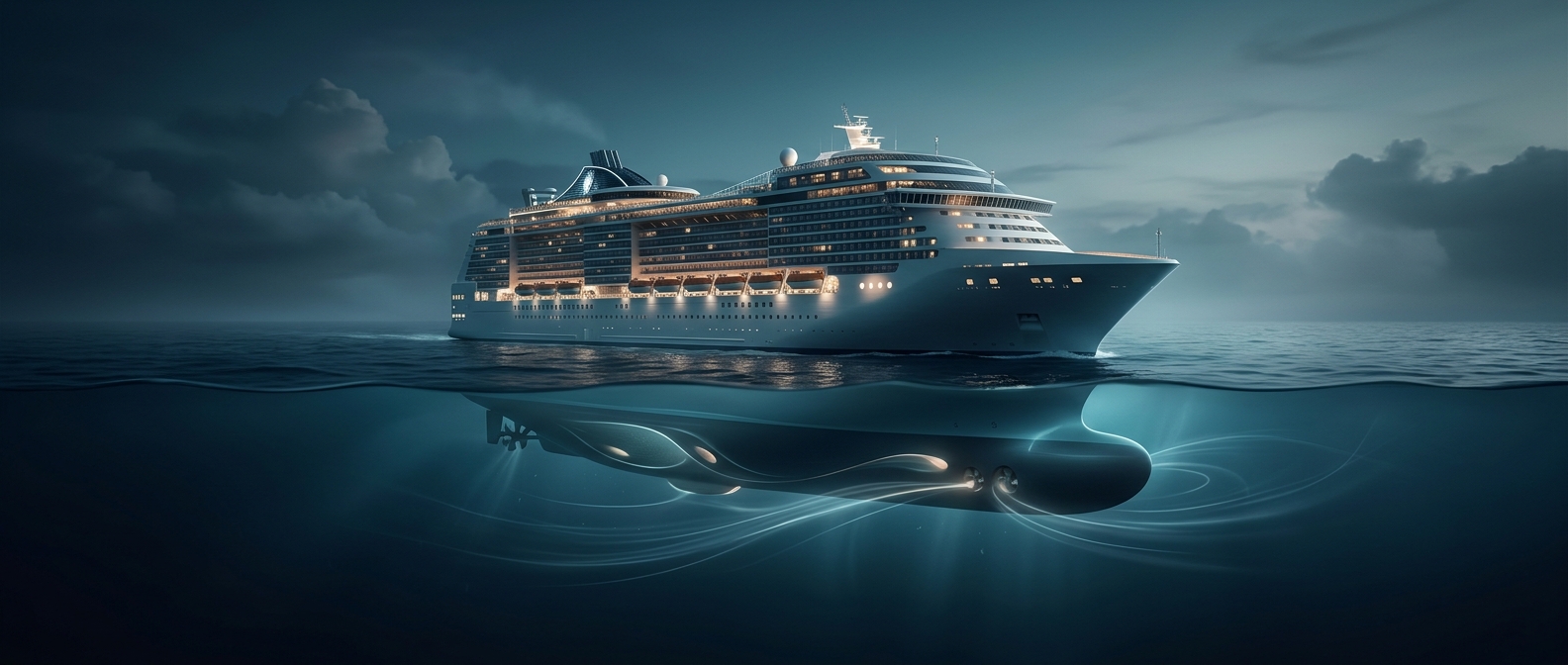
Unlike a mall on land, a cruise ship cannot separate its public areas from the machinery and logistics that keep it running. Every venue competes for limited space and must fit around cabins, kitchens, crew areas, storage and the equipment needed to navigate. More dining or entertainment space can make the ship appealing, but it also means more people to serve and more supplies to load before departure.
The ocean is the ship’s route, but it is also the setting that makes the onboard experience necessary. On a sea day, guests are not merely passing time until the next place; the ship itself is where the day happens. That is why a promenade or theater can feel less like an extra and more like a central part of the itinerary.