How confidence became part of the design
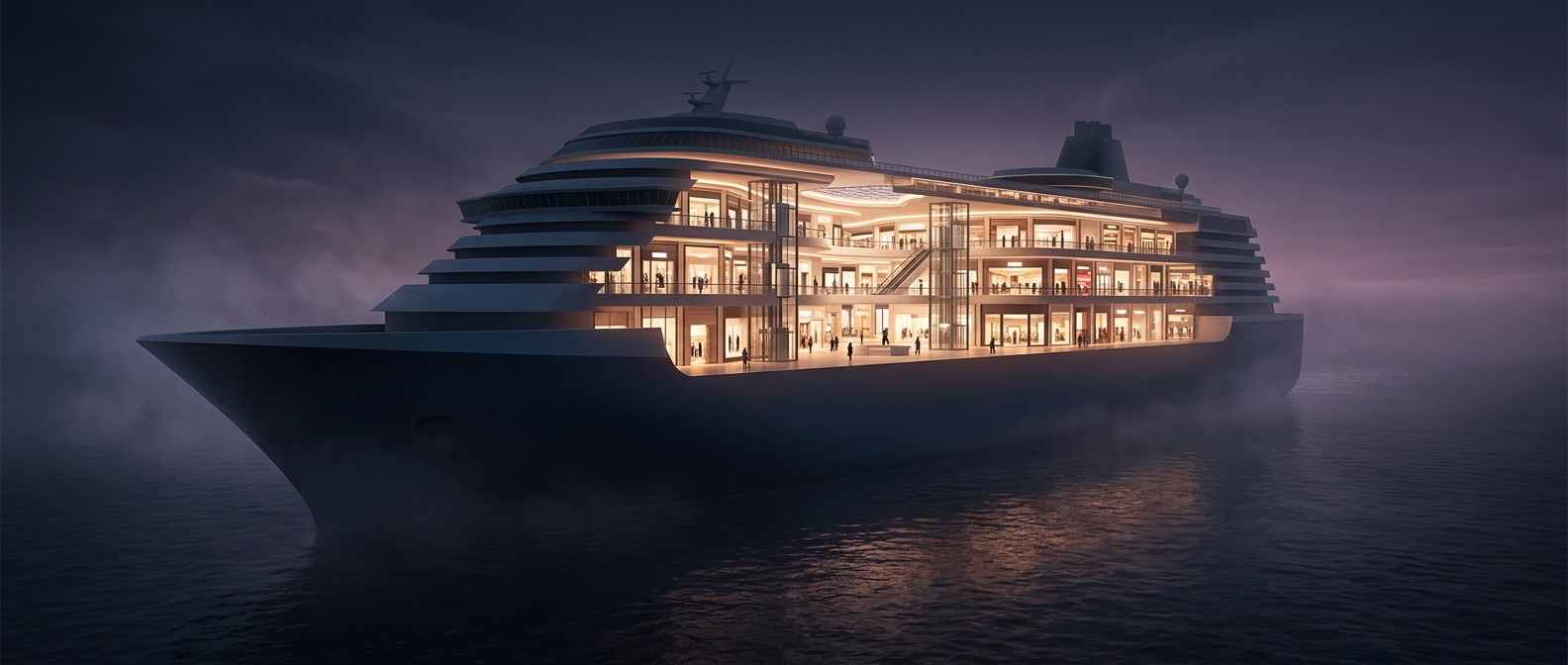
Titanic’s safety story was built into the ship itself. Its hull was divided into watertight compartments—sections intended to keep flooding in one area from spreading through the vessel. That was a real engineering safeguard, but it had limits: if enough forward compartments flooded, water could spill over the tops of the dividing walls into the next sections. A ship could therefore be exceptionally advanced and still have a failure mode its design could not contain.
The distinction matters because confidence was not simply a matter of passengers deciding they did not need rescue boats. Lifeboat capacity was inadequate for everyone aboard, and the boats that were available were not all filled when they were lowered. In the confusion, people had to judge whether leaving a large, apparently stable ship in a small boat was safer than staying aboard. Crew members also faced the difficult task of loading boats in darkness and danger.
A safety system is more than its hardware
A lifeboat helps only if there are enough seats, people know when to use it, and the crew can launch it effectively. Titanic exposed the gap between having safety equipment and having a plan capable of protecting everyone. The ship’s reassuring scale and reputation could shape people’s choices, but so could the practical uncertainty of an emergency unfolding around them.
That is why the disaster became a warning about more than steel meeting ice. Reliability can make a system safer while also encouraging people to overlook the risks it cannot eliminate. Titanic’s legacy is visible not just in its wreck, but in the uncomfortable question every safety design must answer: what happens when the protections people trust are no longer enough?