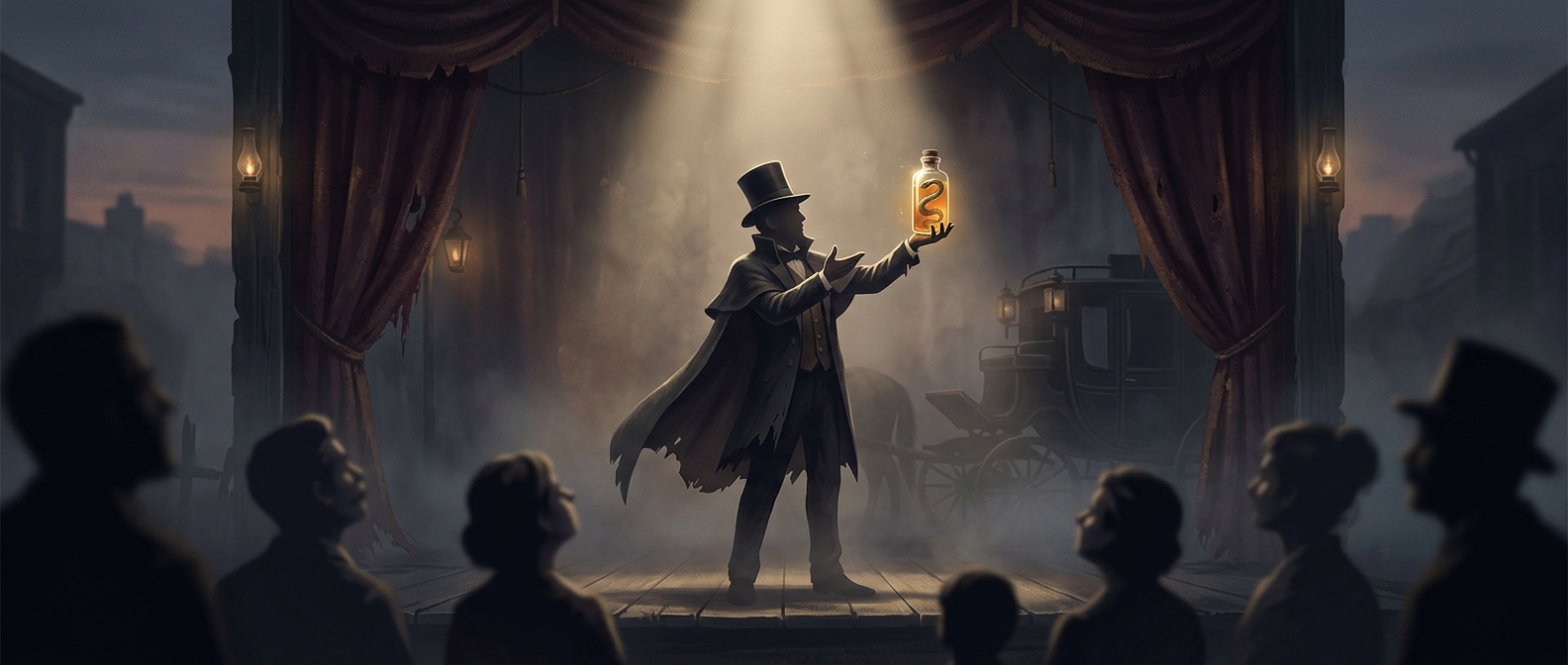
The act that told the audience to leave
In vaudeville, a “chaser act” was not meant to win applause. It was placed near the end of a performance and made deliberately tedious or inept, giving people who had stayed through the show a nudge toward the exits. The name captured its job: chase the audience out so the theater could prepare for the next crowd.
Why a theater wanted an empty room
Vaudeville houses often depended on moving audiences through repeated performances. A full room could bring in the next set of paying patrons only after the previous audience had left. But if a show ended with a popular act, people had a reason to linger, applaud, or wait for more. A dull finale changed that calculation: leaving became the appealing option.
The tactic turned stage time into part of the theater’s crowd management. Instead of stopping the entertainment and asking patrons to clear out, managers could use one last performance to make departure feel like the audience’s own idea. The chaser’s failure was the point: it helped make room for the next show.