How a medicine show turned spectacle into sales
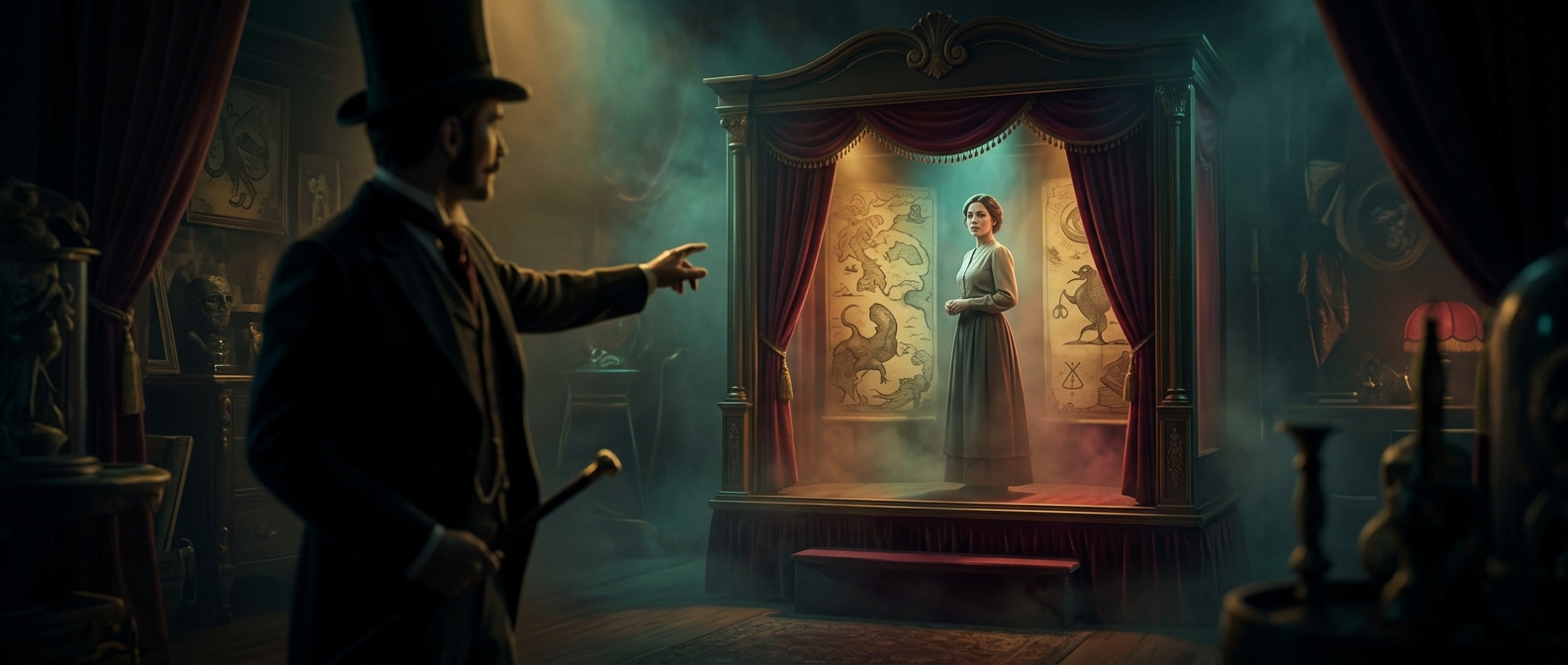
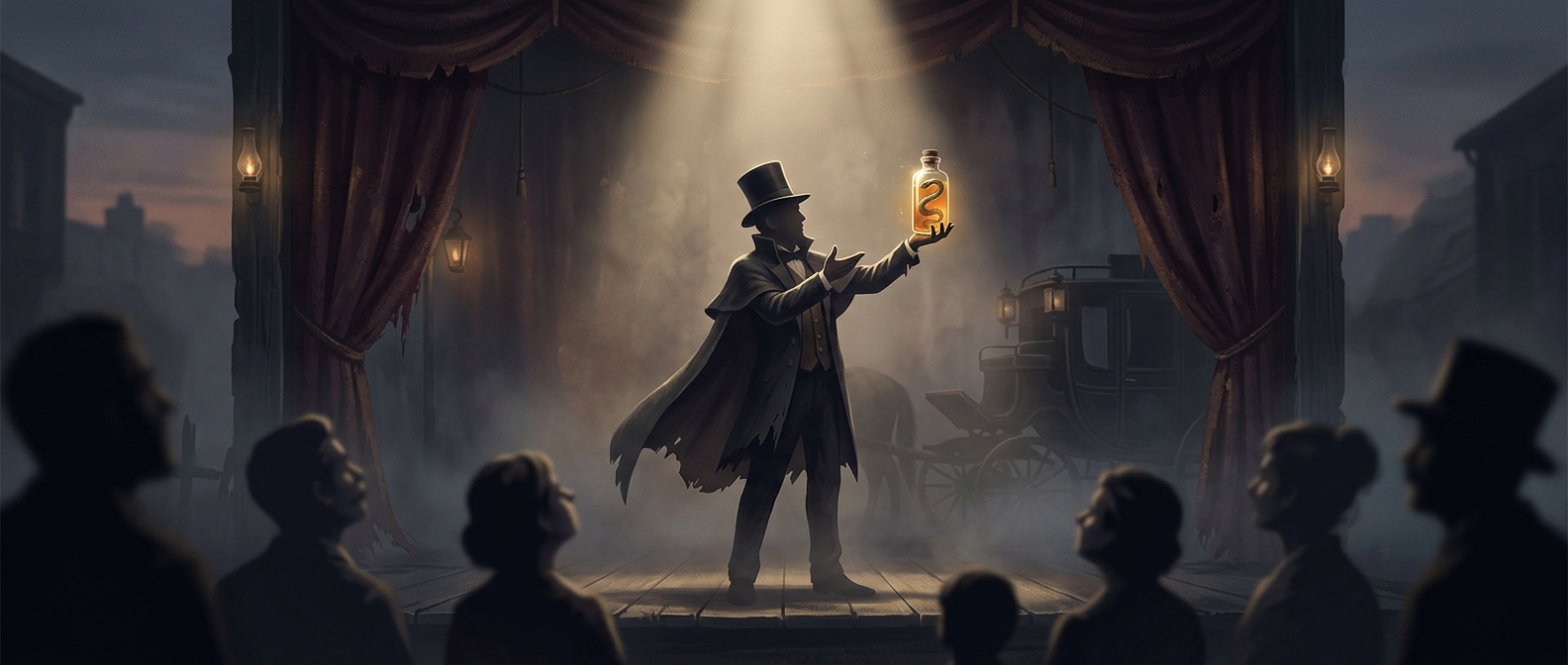
A traveling medicine show was part performance, part storefront. A troupe might attract a crowd with music, comedy, or tricks, then introduce a “doctor” and a tonic said to cure many unrelated ailments. The entertainment gathered potential customers in one place; the sales pitch made the product seem like the answer they had been waiting for.
That sequence mattered because buyers often had little way to test a remedy on the spot. A confident performer, dramatic demonstrations, and stories of supposed cures could make a bottle look persuasive before anyone had evidence that it worked.
From cure-all tonic to “snake oil”
The name has a more complicated history than the shows alone. Chinese immigrants in the American West used oil from water snakes as a traditional remedy for aches, and it was reportedly shared with laborers doing demanding work. The term “snake oil” later became a label for fake or exaggerated remedies, including products sold by itinerant promoters; it did not mean every tonic was literally made from snakes.
Many so-called patent medicines were sold with sweeping claims and little proof. Before modern consumer protections and effective drug oversight, sellers could promote a bottle without establishing that it treated the illnesses named in the pitch. Some preparations also contained active ingredients such as alcohol or opiates, which could produce noticeable effects without curing the underlying condition.
Why the phrase survived
The show’s formula joined a crowd’s excitement to a promise of relief—and converted attention into purchases. “Snake oil” outlasted the performances as shorthand for a product or pitch that promises a cure while offering little reason to trust the claim.