The story made the costume believable
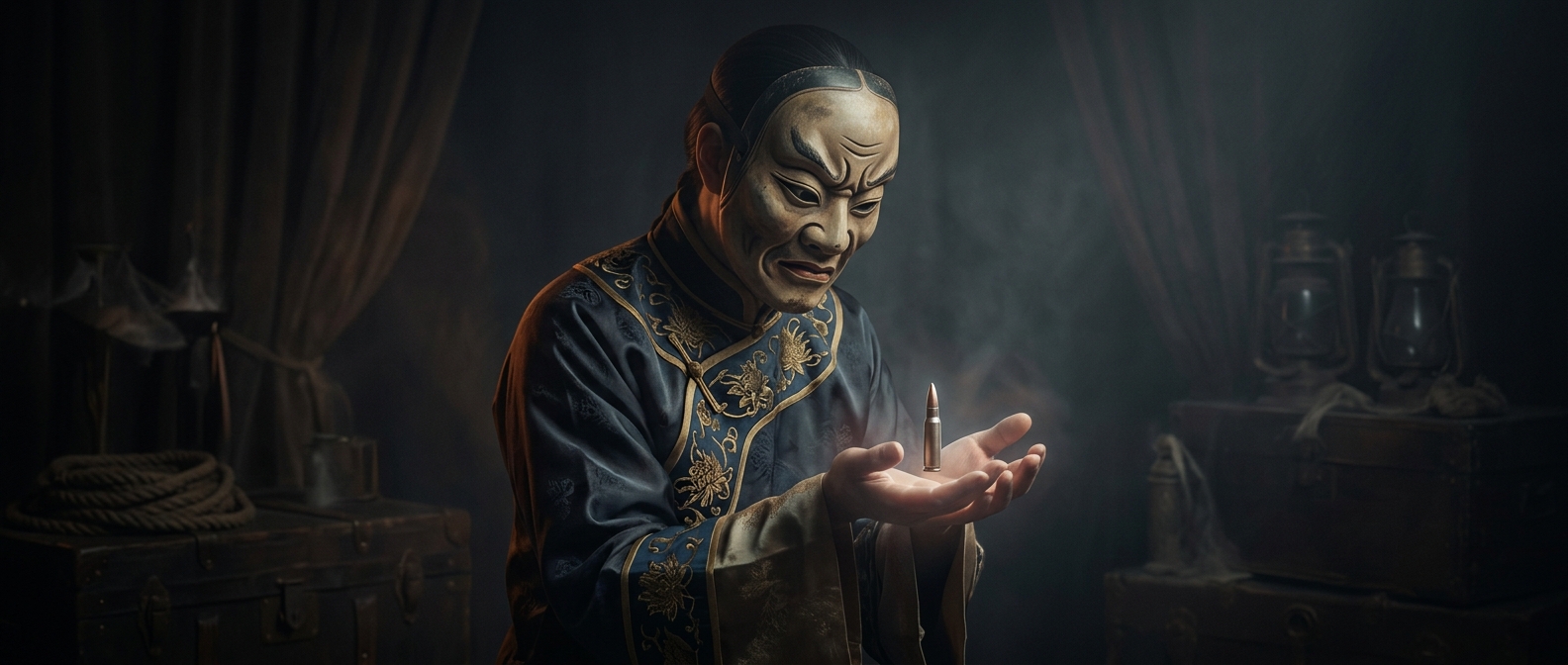
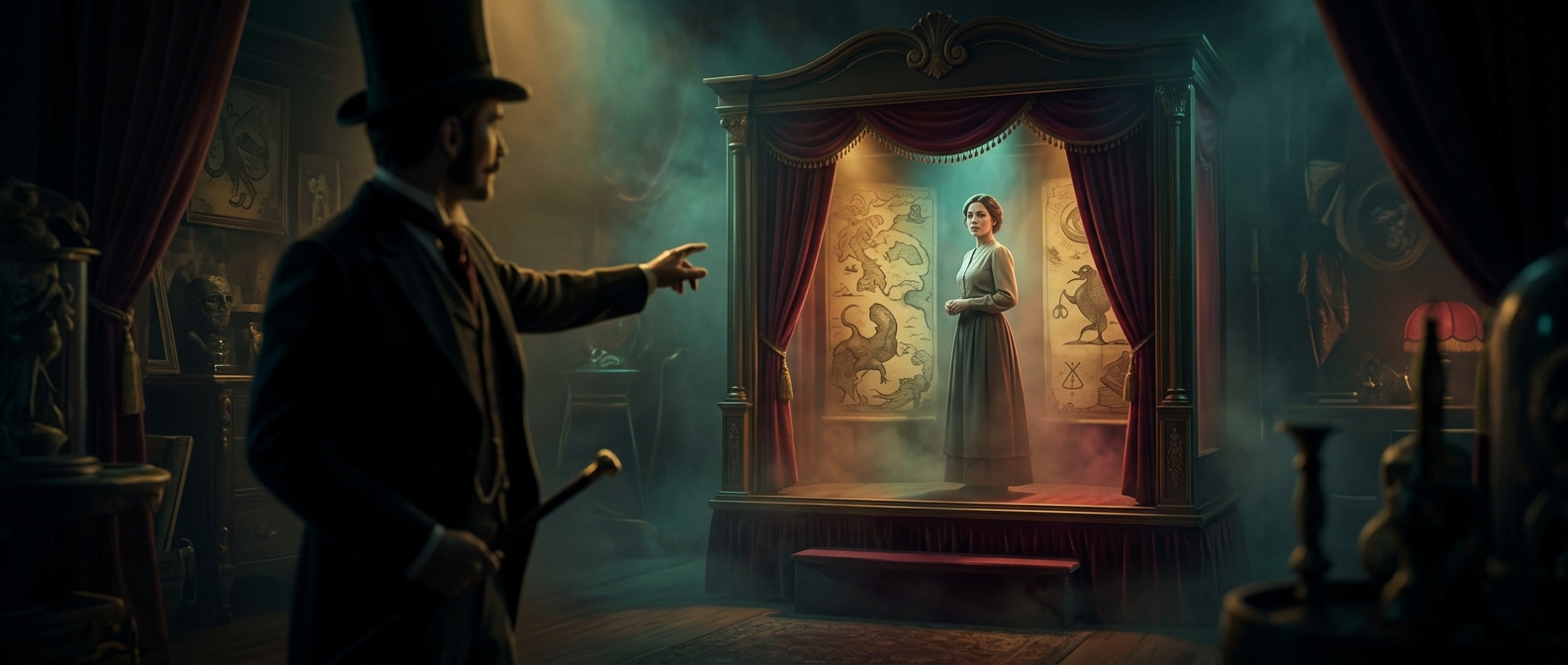
A costume could suggest claws, scales, or some other sign of the “wild,” but the promoter’s story told visitors what they were looking at. Claims that a performer had been raised by animals or cursed by a witch supplied a cause for the supposed difference—and turned a person on a platform into a character from a frightening tale.
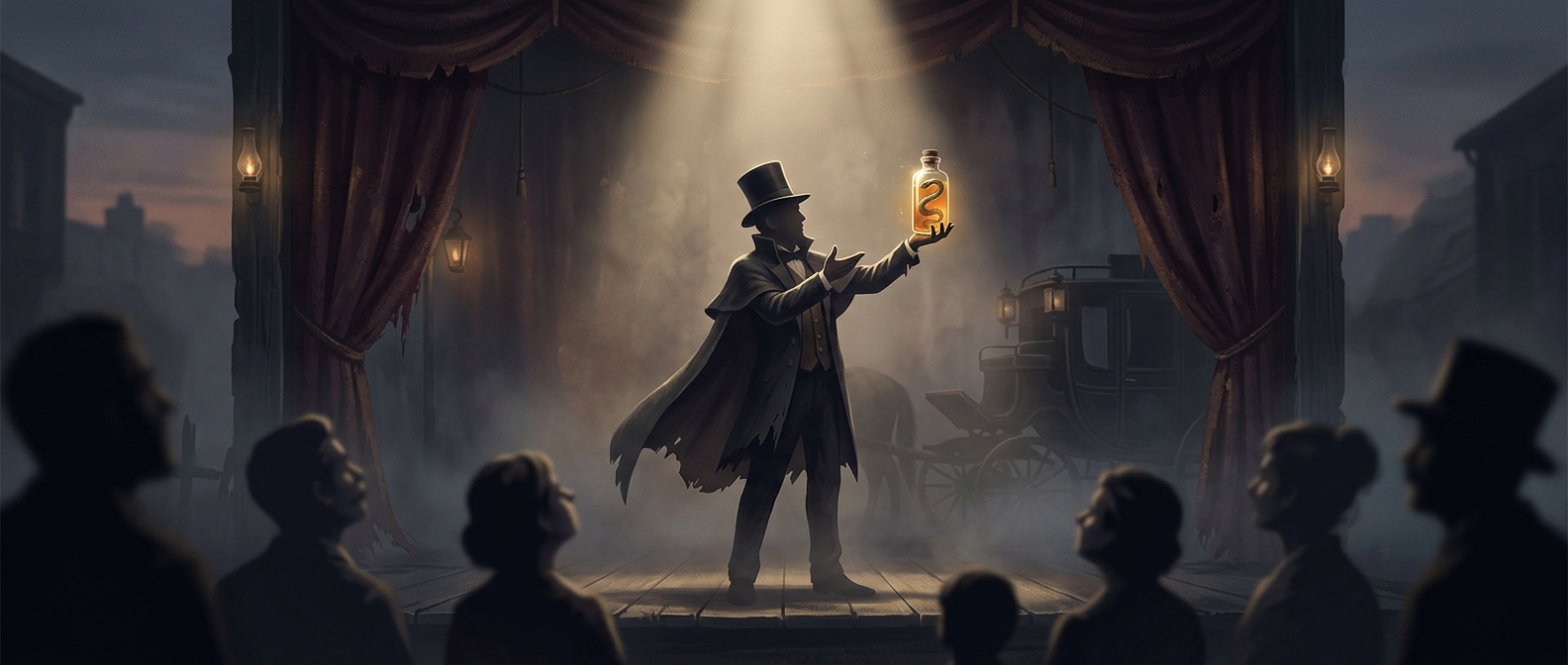
That framing mattered because audiences did not simply encounter a body or a disguise. They encountered an explanation, often delivered through a showman’s introduction or printed advertising. The same person could be presented as a marvel, a menace, or an object of pity, depending on the story wrapped around the display.
A spectacle built from many parts
Freak shows often combined costumes, theatrical staging, and dramatic descriptions. Each element reinforced the others: a strange-looking outfit made the claim visible, while a tale of a curse or a feral upbringing made the outfit seem like evidence. The performance invited visitors to treat invention as discovery—to believe they were seeing a hidden kind of creature rather than a human being playing a role.
The label “ordinary people” needs care, since performers and acts varied, and some attractions centered on real physical differences. But promoters could still reshape how audiences interpreted what they saw. The transformation was as much a matter of narration as of makeup: the show sold a story about a person, not just a ticket to look at them.
The cost of the part
For performers, appearing in a show could provide work and a public identity, but that identity was often controlled by the people who advertised and staged the act. A fabricated origin story might draw a crowd while reducing its subject to a supposed monster. Visitors left with the promoter’s explanation in mind—even when the person behind the costume had never been anything of the kind.