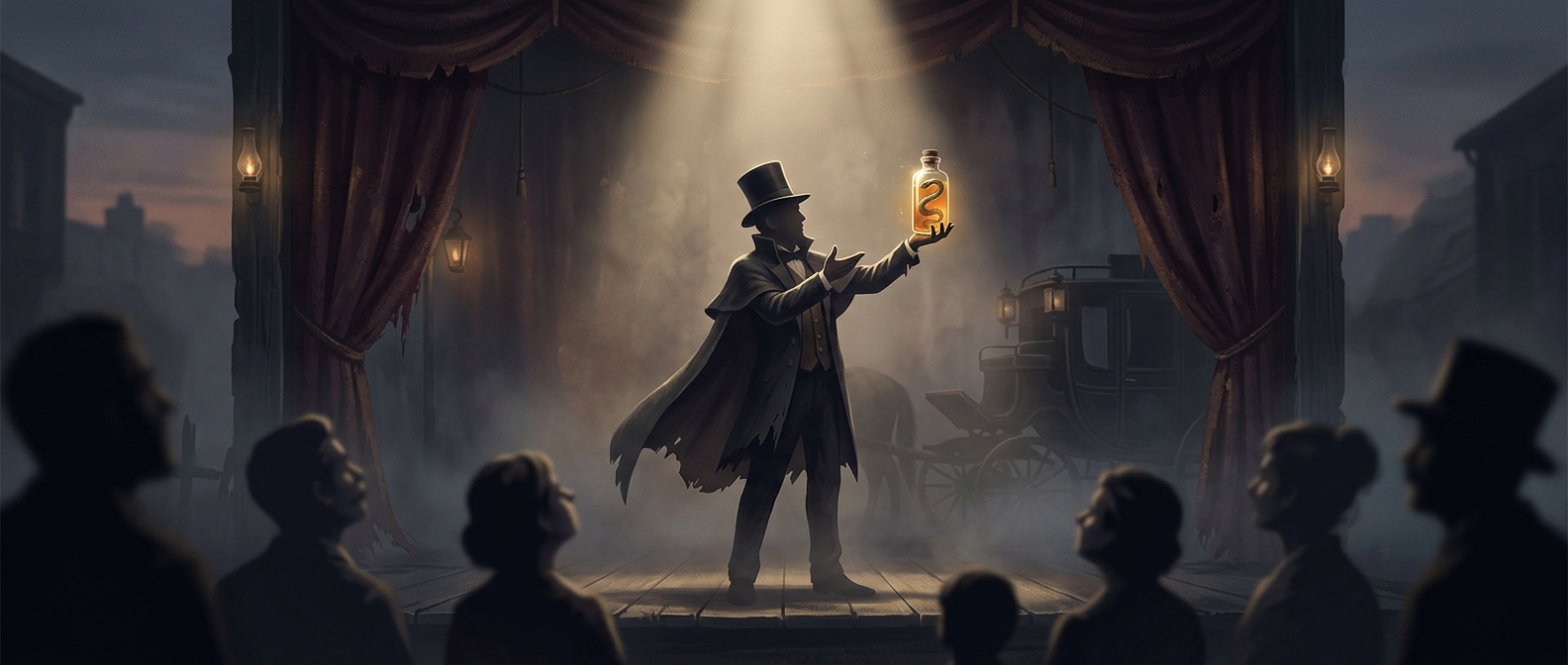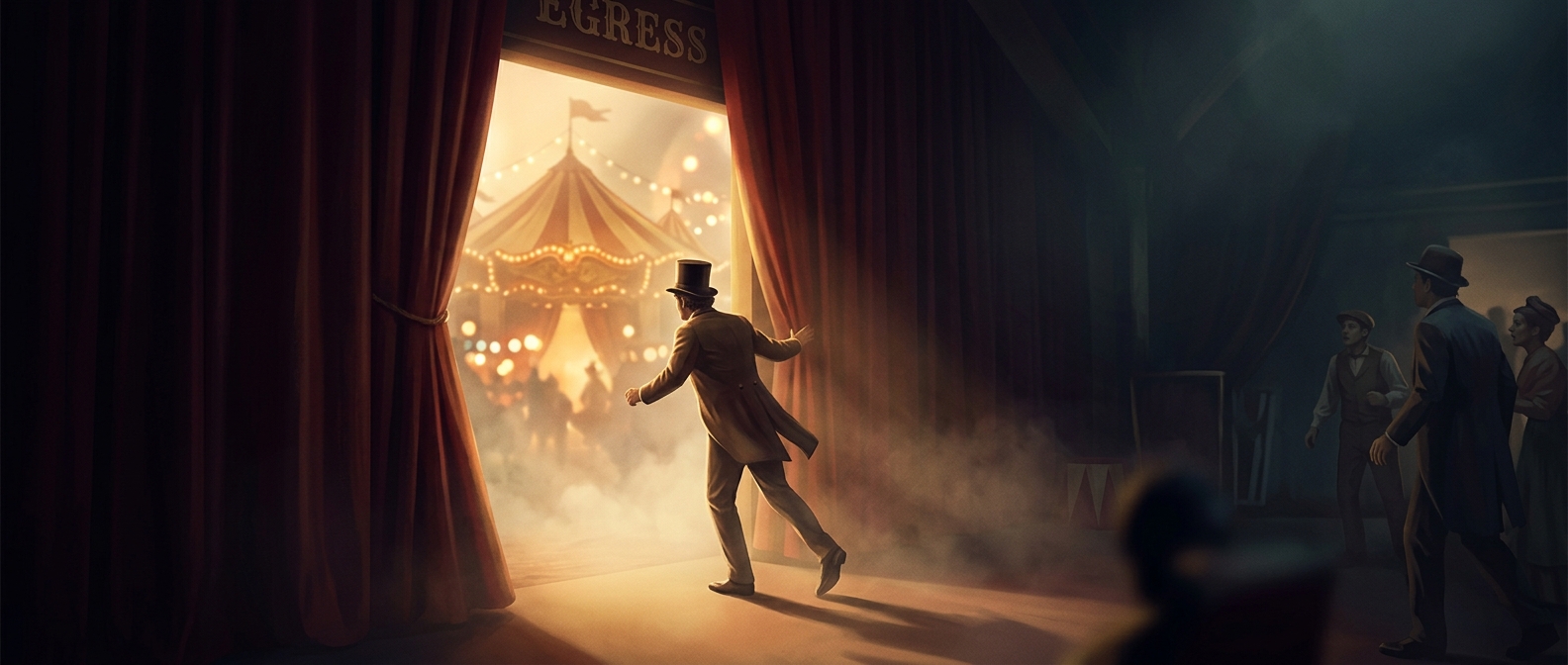
A vocabulary trick turned an exit into an attraction
“Egress” is a formal word for a way out. P.T. Barnum’s sign exploited the gap between how the word sounds and what it means: visitors unfamiliar with it could imagine that an “egress” was some unusual creature waiting to be seen. The joke worked because the sign looked like an invitation to another exhibit, not an instruction to leave.
The punchline was a one-way door
Once visitors followed the sign, they discovered that the supposed attraction was simply the exit. That made the prank more than a bit of wordplay: it redirected people out of the museum, where returning meant paying admission again. A visitor who had already bought a ticket now had to decide whether the show inside was worth another dime.
The trick depended on the crowd’s curiosity and on a practical feature of admission-based entertainment: leaving and re-entering could cost money. Barnum did not need to build a fake bird or stage another spectacle. A few words could create the expectation of one, move visitors through the door, and make the absence itself the joke.
Why the sign stuck
The story captures a style of showmanship built around managing what audiences expect to see. Here, the exhibit was imaginary, but the visitors’ response was real—and the exit became part of the entertainment. The word that promised a creature was, all along, a way out.