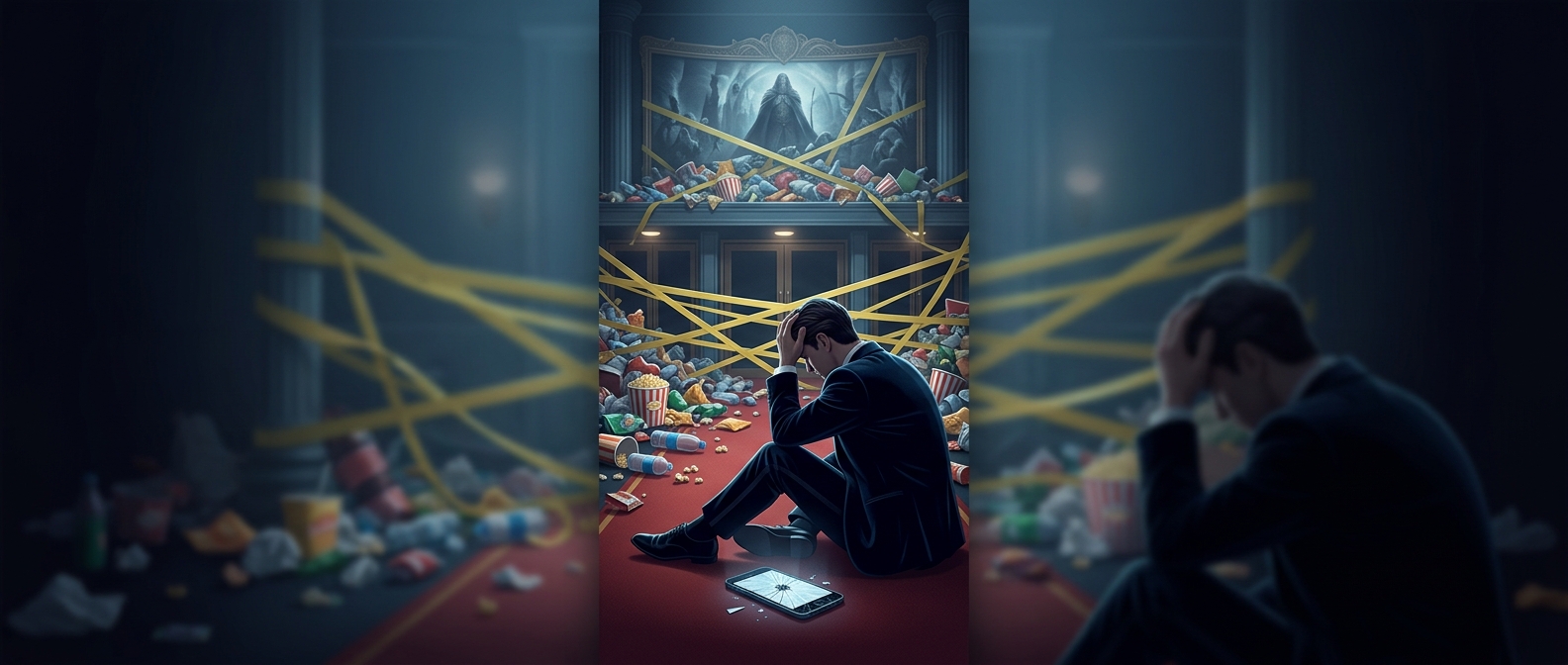
When a joke takes over the room
A movie theater depends on a fragile agreement: everyone shares a dark room and gives the screen—and one another—attention. An outrageous costume can be funny in the lobby, but if a prank spills into the screening, the joke changes for everyone else. Noise, movement, or interruptions can make it difficult to follow the film, while staff have to leave other duties to manage the disturbance.
That is the difference between being conspicuous and disrupting a show. The costume draws attention; what happens next determines whether employees treat it as harmless play or a problem that needs to stop.
Why a ban can follow a viral prank
A theater manager has to consider more than the pranksters’ intentions. Other guests have paid for an uninterrupted experience, and staff need a practical way to prevent a repeat. Refusing entry to participants can be simpler than waiting for another disruption to unfold. The response is a venue’s decision, not a general rule that every theater applies the same way.
Viral attention can also change the incentive. A stunt that earns views may encourage imitators to make the next version more noticeable. But a theater cannot control how a crowd interprets the joke once the film is underway; it can control whether the people causing the interruption stay. That is how a stunt meant to be watched online can end with its participants unable to watch the movie in person.