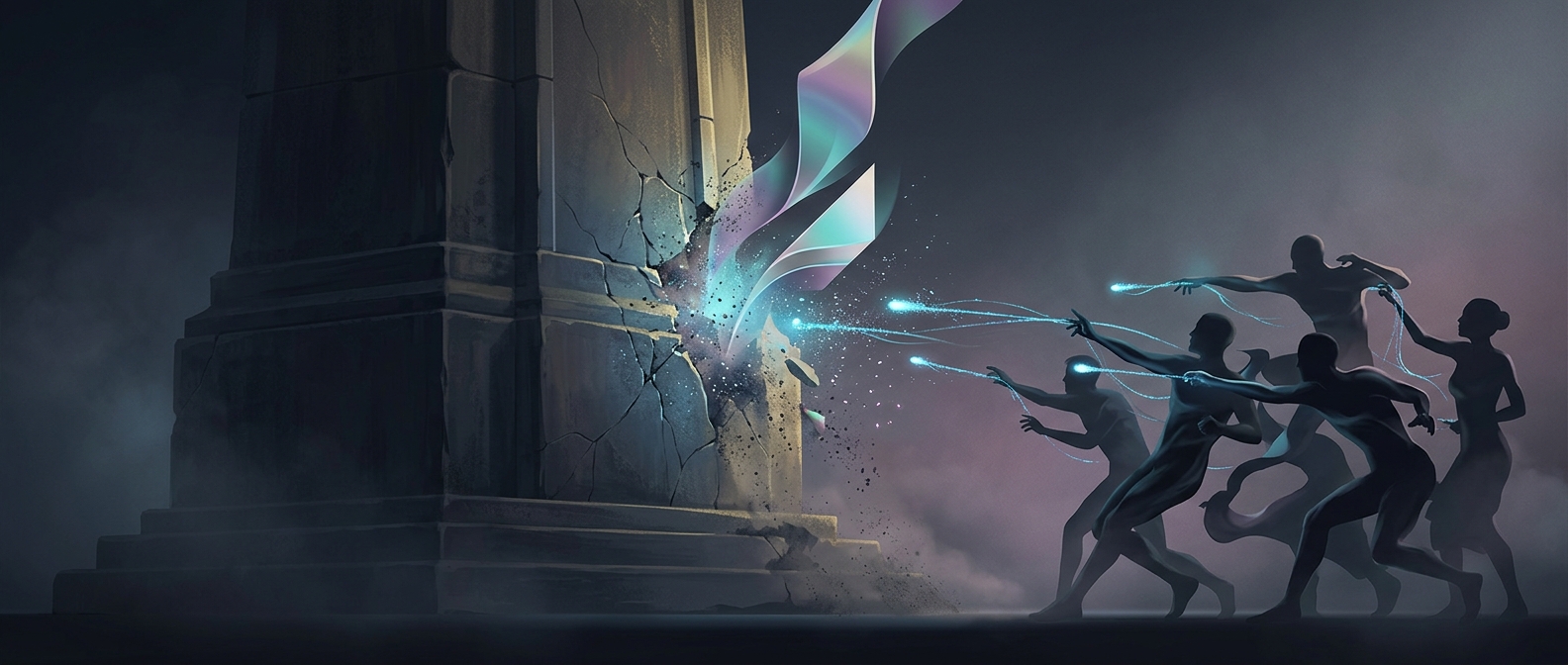
When a Takedown Turned a Dance Meme Into a Brand Story
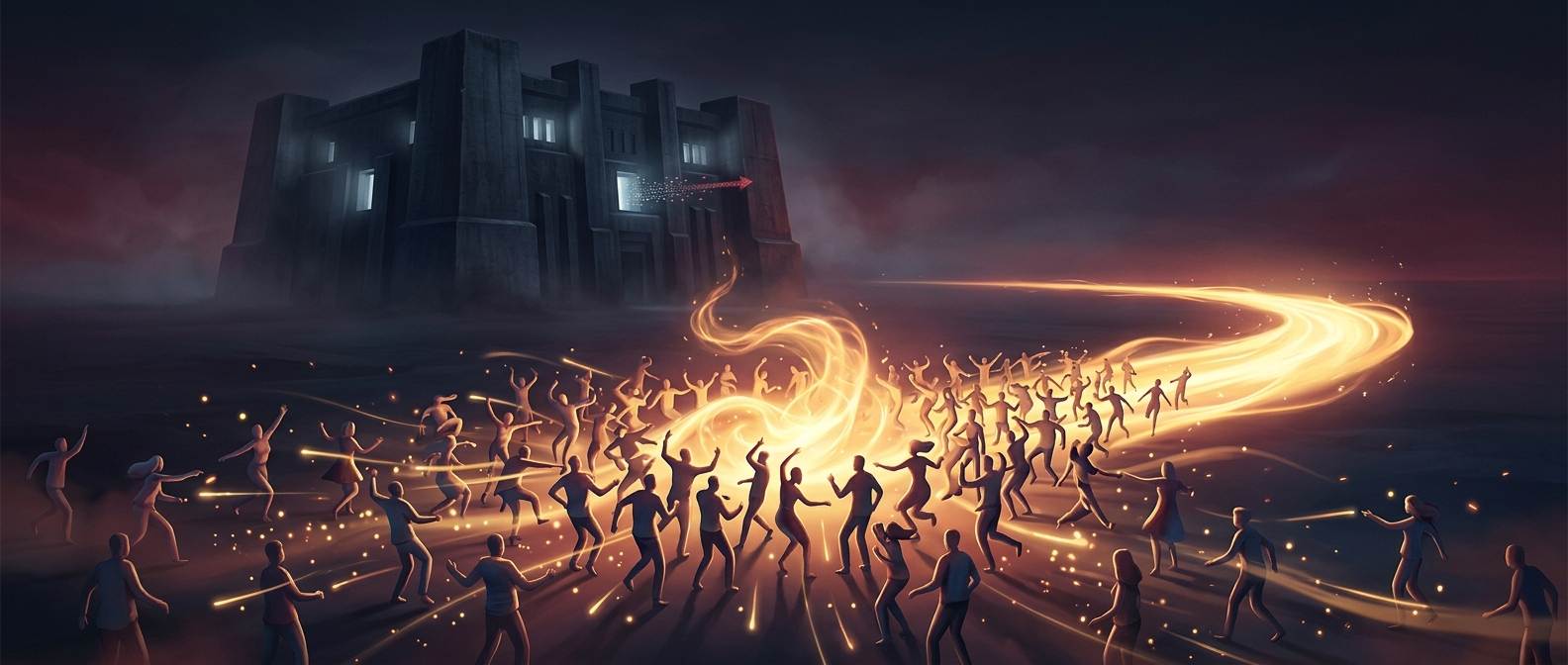
A copyright complaint is meant to limit how a protected work is copied or shared. Online, though, enforcement can have the opposite effect: notices and arguments alert people to a meme they might otherwise have missed. As users discuss what was removed, they may repost it, parody it, or search for the original. The effort to contain a trend can become part of the trend itself.
From Fighting the Joke to Joining It
For a company caught in that cycle, the choice is no longer simply whether to allow a particular video. The meme has already attached itself to the brand in public conversation, and continued objections can make the company appear defensive or out of touch. Leaning into the dance offers a different move: acknowledge the association, take part on the audience’s terms, and redirect attention toward a more current image.
That shift is a form of rebranding, even if it does not immediately change a logo or product. A brand is also the set of impressions people connect with a company. A playful response can replace an image shaped by legal friction with one shaped by cultural fluency and humor.
The Risk of Joining In
Adopting a meme is not guaranteed to work. A company can look opportunistic if its response feels forced, and copyright questions do not disappear just because a trend is popular. But once a dance has become a public joke, trying to erase every trace may give the joke more oxygen. The company’s more useful move was to change its role in the story—from the target of the meme to a participant in it.