Why a silly dance can carry a serious message
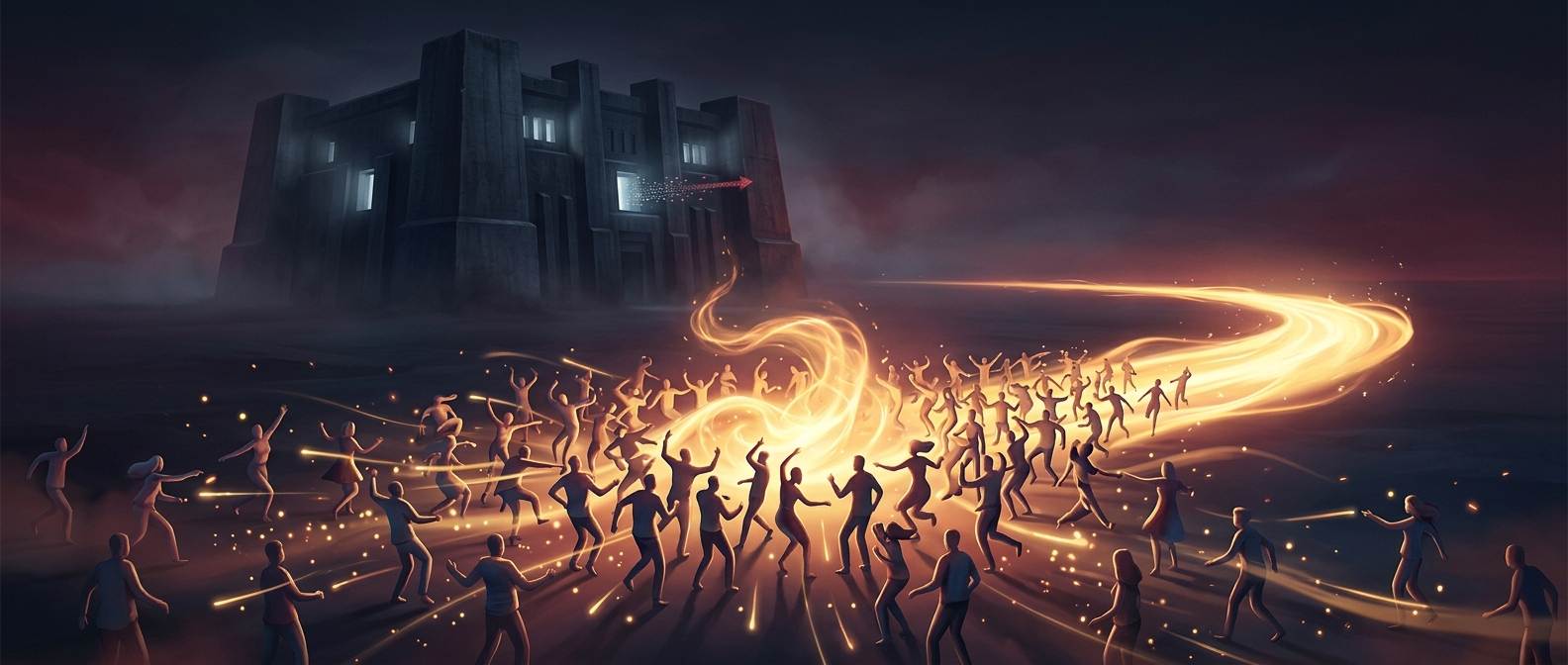
A dance gives a cause something a slogan alone cannot: a simple action people can copy. When the moves are deliberately awkward or playful, participation does not require dance training, polished filming, or a performer’s confidence. Someone can learn the sequence, record a version with friends, and pass it along. Each new video becomes both a small performance and a visible invitation to join in.
The choreography does the work of an ad
A conventional campaign has to buy attention or build an audience over time. A repeatable dance can travel through people’s own networks instead. Its structure is easy to recognize, while each participant can change the setting, cast, or style. That mix of sameness and personal variation helps a clip feel like part of a shared activity rather than a message delivered from an organization.
The humor matters, too. Serious appeals can feel demanding or intimidating; a goofy routine lowers the social stakes. Sharing it lets people signal support without needing to make a speech or present themselves as experts. The dance can draw viewers in first, then make the cause easier to notice and discuss.
Playfulness has limits
A catchy routine is not the same as lasting engagement. Viewers may remember the joke or imitate the moves without learning what the campaign is asking them to do. Humor can also seem dismissive if it clashes with the stakes of the issue. The format works best when the playful invitation leads somewhere concrete—such as an explanation, a discussion, or a clear next step. Its distinctive advantage is not that dancing replaces organizing, but that it gives ordinary supporters an inexpensive, repeatable way to bring more people within reach of it.