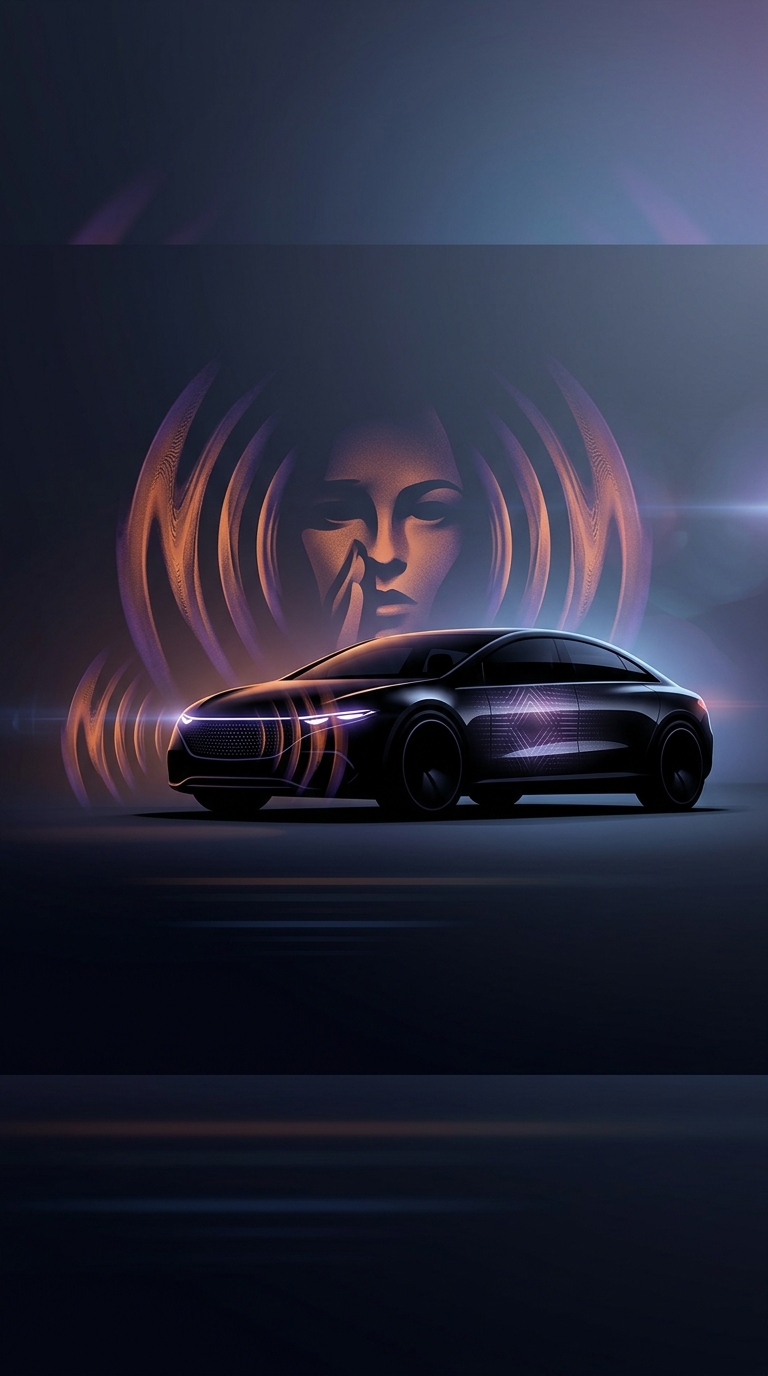
What an electric powertrain frees designers to change
A gasoline car’s front end has to package an engine, transmission connections, and the systems that keep the engine cool. An electric motor is smaller and can sit near an axle, while the battery usually occupies space low in the floor. That rearrangement can loosen familiar packaging rules: the hood may be shorter, the cabin can shift forward, and some vehicles gain a storage compartment where an engine would otherwise sit.
The freedom is real, but not unlimited. Designers still have to accommodate crash-protection structures, steering components, heating and cooling equipment, and enough space for people to see and be seen. A low, smooth nose is a design option, not an automatic consequence of going electric.
Styling turns engineering into a signal
Manufacturers use the changed proportions to make a vehicle look distinct, even when many shoppers cannot identify its powertrain from a technical specification. A sealed-off grille, unusual lighting, or a cabin pushed toward the front can work as a visual shorthand for “electric.” Those choices also help separate a new model from a familiar gasoline counterpart on a crowded road or showroom floor.
That shorthand is a form of product identity: buyers may choose a look that communicates novelty, technology, or a break from conventional cars. But visual cues are not proof of what is under the body. Some electric cars retain traditional shapes, while styling alone cannot reveal a vehicle’s battery size, range, or performance. The transformation is most visible in the proportions; the actual engineering remains hidden beneath them.