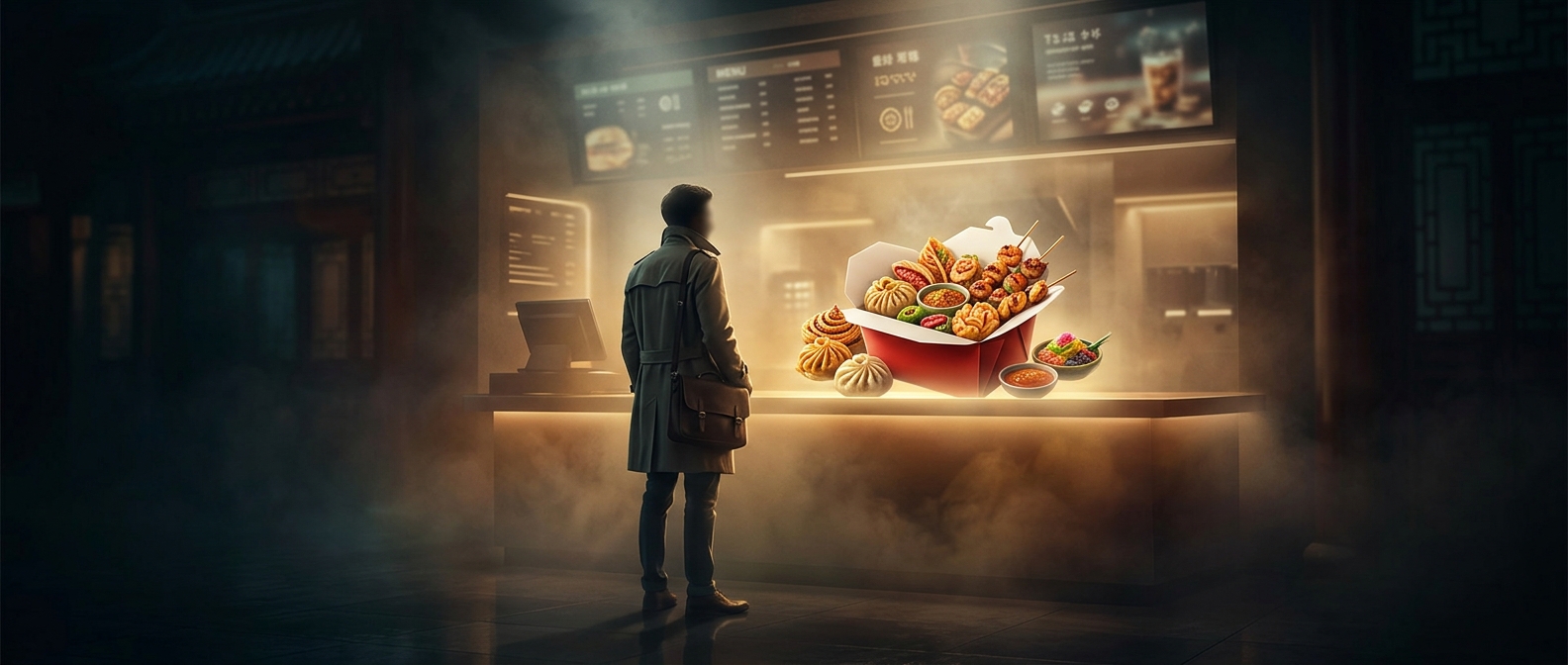
A global brand has to fit a local meal
A fast-food chain can keep its logo and service model consistent while changing what goes on the tray. The reason is practical: customers eat within local food cultures, where familiar flavors, common ingredients, and expectations about a satisfying meal differ. A teriyaki burger or paneer wrap can make an unfamiliar chain feel more relevant without requiring it to abandon its recognizable format.
The menu is also a supply-chain decision
A dish has to work beyond the test kitchen. Ingredients must be available in dependable quantities, kitchens need to prepare them with existing equipment, and staff must be able to make the item quickly during a rush. A locally appealing idea that depends on scarce ingredients or complicated preparation may be too costly or slow to keep on the menu.
That is why adaptation often happens through a limited set of additions or substitutions rather than a completely different menu. A chain can test a regional flavor in a familiar sandwich, for example, while keeping much of its purchasing and kitchen routine intact. Local rules and dietary practices can also shape which ingredients make sense, though the details vary by place.
Familiarity is part of the appeal
Travelers may notice the contrast: the same restaurant name, but a seafood sandwich or spicy paneer wrap that would be unusual at home. For the chain, the challenge is to offer something that feels local without making the operation unrecognizable. The menu becomes a small map of that compromise—global in its format, local in what it expects people to want to eat.