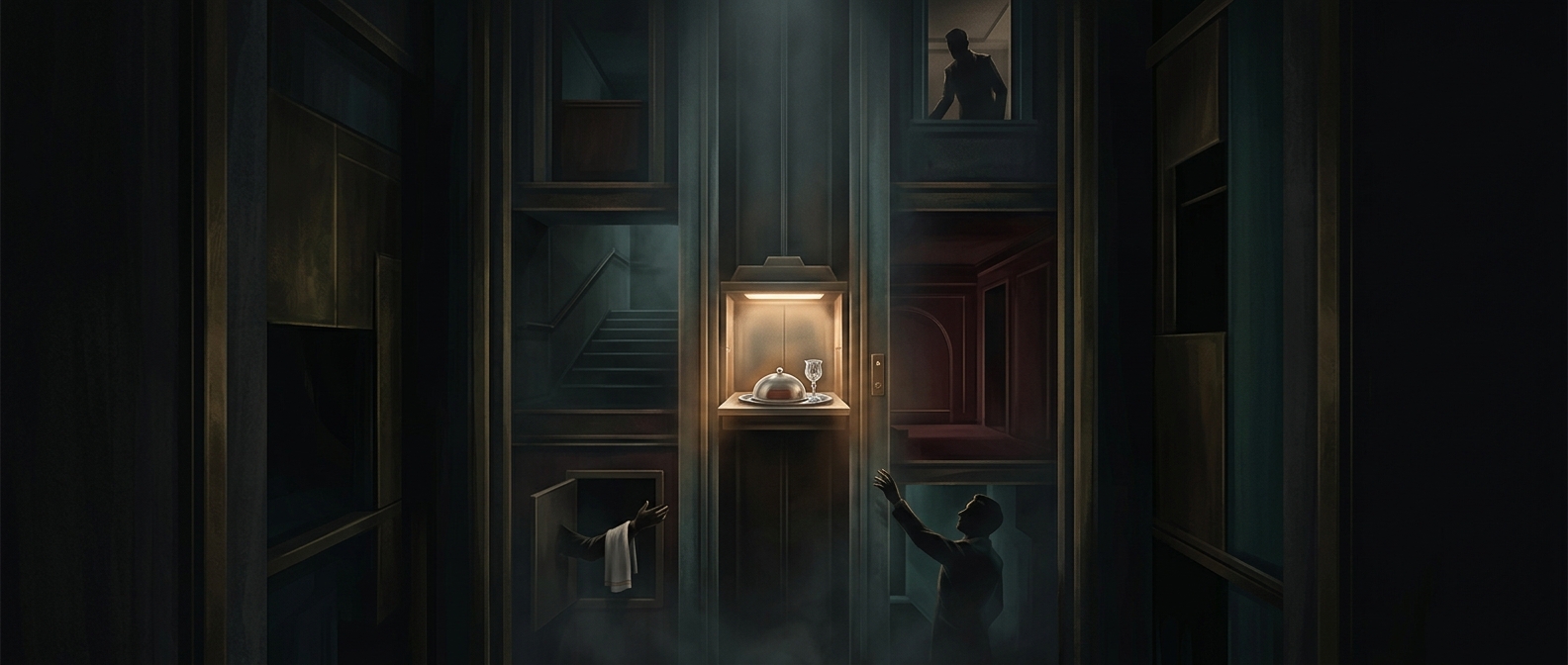
A Small Lift Changed the Shape of Dinner
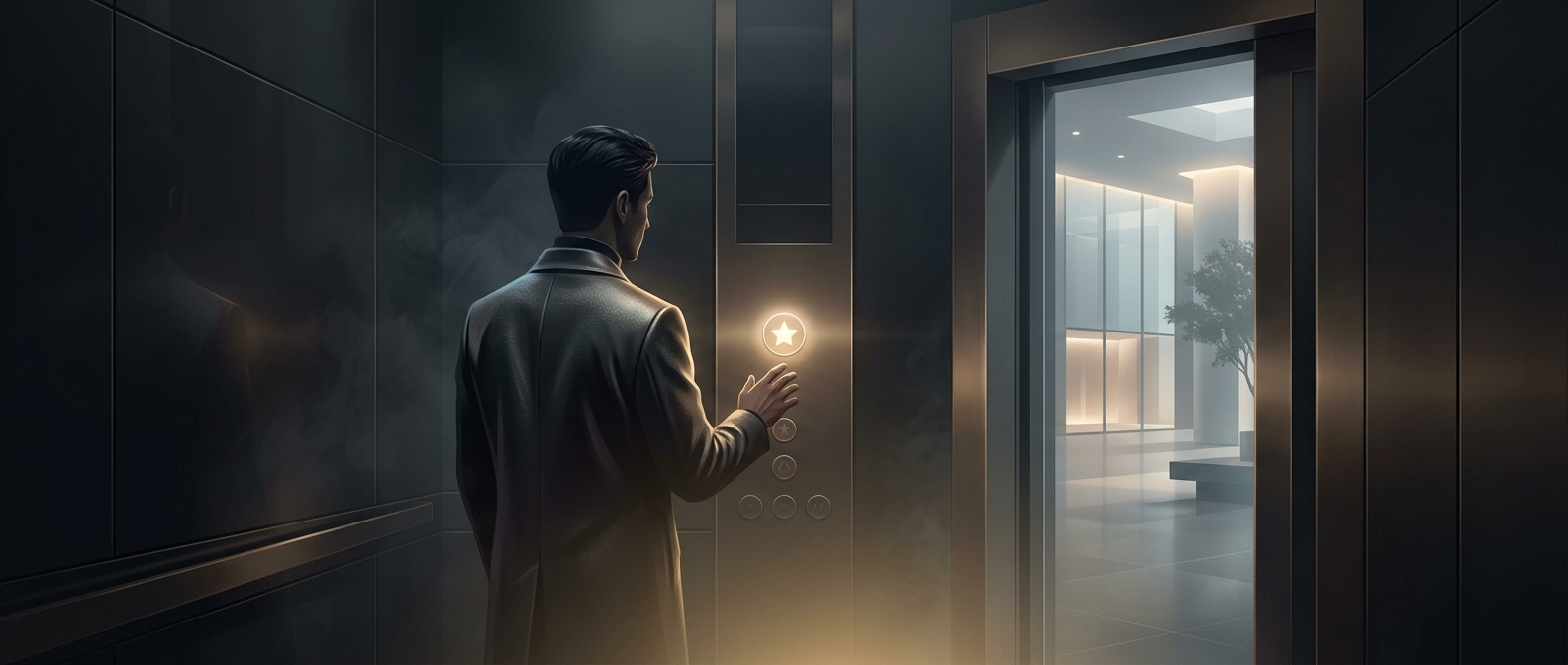
At Monticello, Thomas Jefferson’s Virginia home, a dumbwaiter linked the dining room with service spaces below. The name can suggest a modern elevator, but this was a compact, manually operated lift: a shelf or enclosed compartment traveled through a narrow shaft, guided by ropes and pulleys. A person in the kitchen could raise a load to dining-room level without carrying it up the stairs.
The arrangement made the building itself part of the serving system. Instead of routing every dish and bottle through the room where guests sat, food could arrive through a discreet opening. The lift did not make dinner happen by itself; someone still had to prepare, load, move, and collect what it carried.
Privacy Had a Practical Cost
Keeping service out of sight was a design choice, not an end to service labor. The quiet dining room depended on workers moving through kitchens and passages, timing deliveries, and attending to the lift. The dumbwaiter reduced the visible traffic and the interruptions it caused, while leaving the work—and the people doing it—behind the scenes.
That is the revealing tradeoff in this small piece of transport technology: a narrow shaft and a simple lifting mechanism could make a wealthy household’s meal feel effortless. Guests saw dinner appear; the architecture concealed the route it had taken.