A creation story recast as engineering
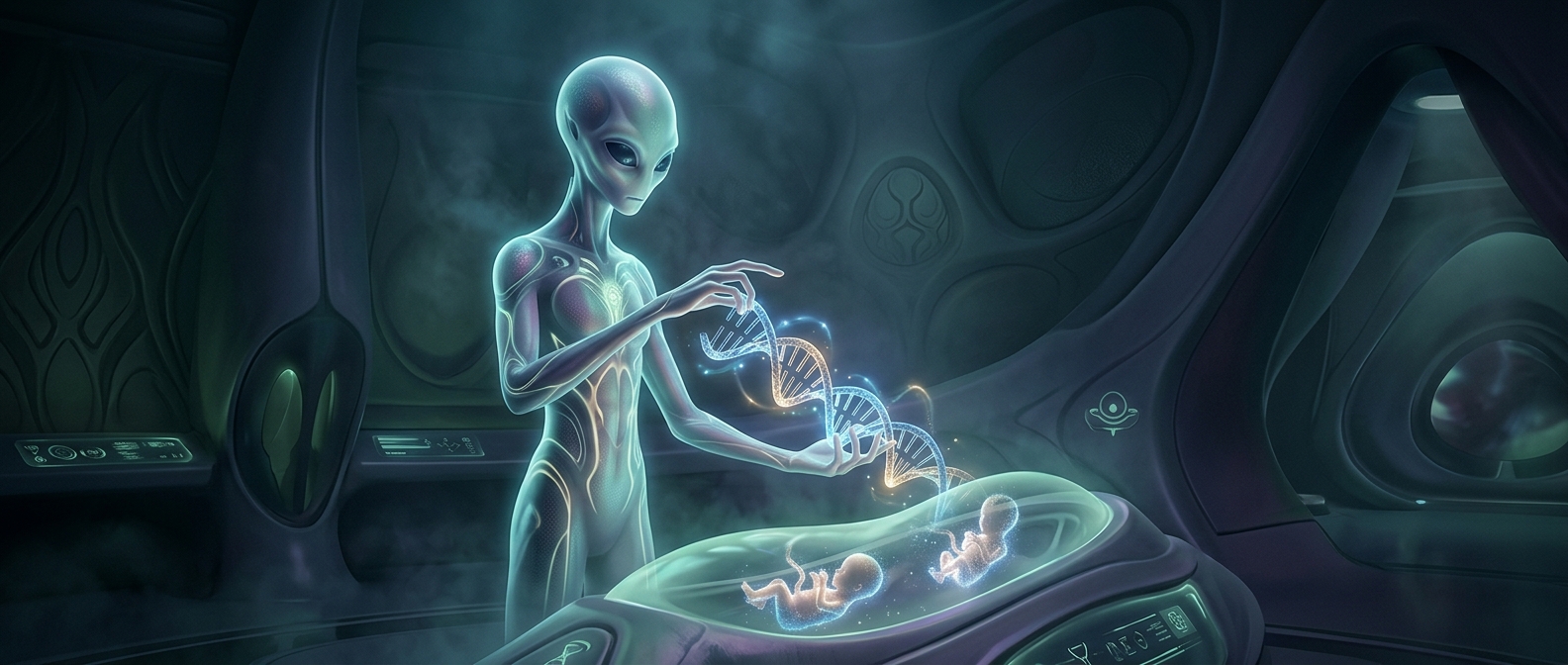
Claude Vorilhon’s account gave an ancient question—where did humanity come from?—a distinctly modern answer. He said the beings he called the Elohim had made humans through genetic engineering: in this telling, creation was not a supernatural act but the work of technologically advanced extraterrestrials. Vorilhon adopted the name Rael and built a religious movement around that interpretation.
The shift matters because it changes what “creation” means. Human life becomes the result of deliberate laboratory work, and the creators become beings whose abilities might, in principle, be understood as technology rather than miracles. That is the movement’s belief, not an established scientific account of human origins.
Why cloning became part of the promise
The same framework helps explain the movement’s interest in cloning. If life can be designed and reproduced, then cloning can appear to offer a route toward overcoming death. But making a genetic copy is not the same as continuing a person’s life: a clone would share DNA with someone, not automatically their memories or experiences. The promise of immortality therefore depends on more than copying genes.
Rael’s movement joined that technological vision to practices such as meditation and advocacy of free love. Its program thus connected private life and spiritual practice to a larger claim: that humanity should prepare for contact with the beings it regards as its creators. The striking consequence is that a story about extraterrestrials became not only an origin story, but a proposal for how people might reshape life—and imagine escaping its limits.