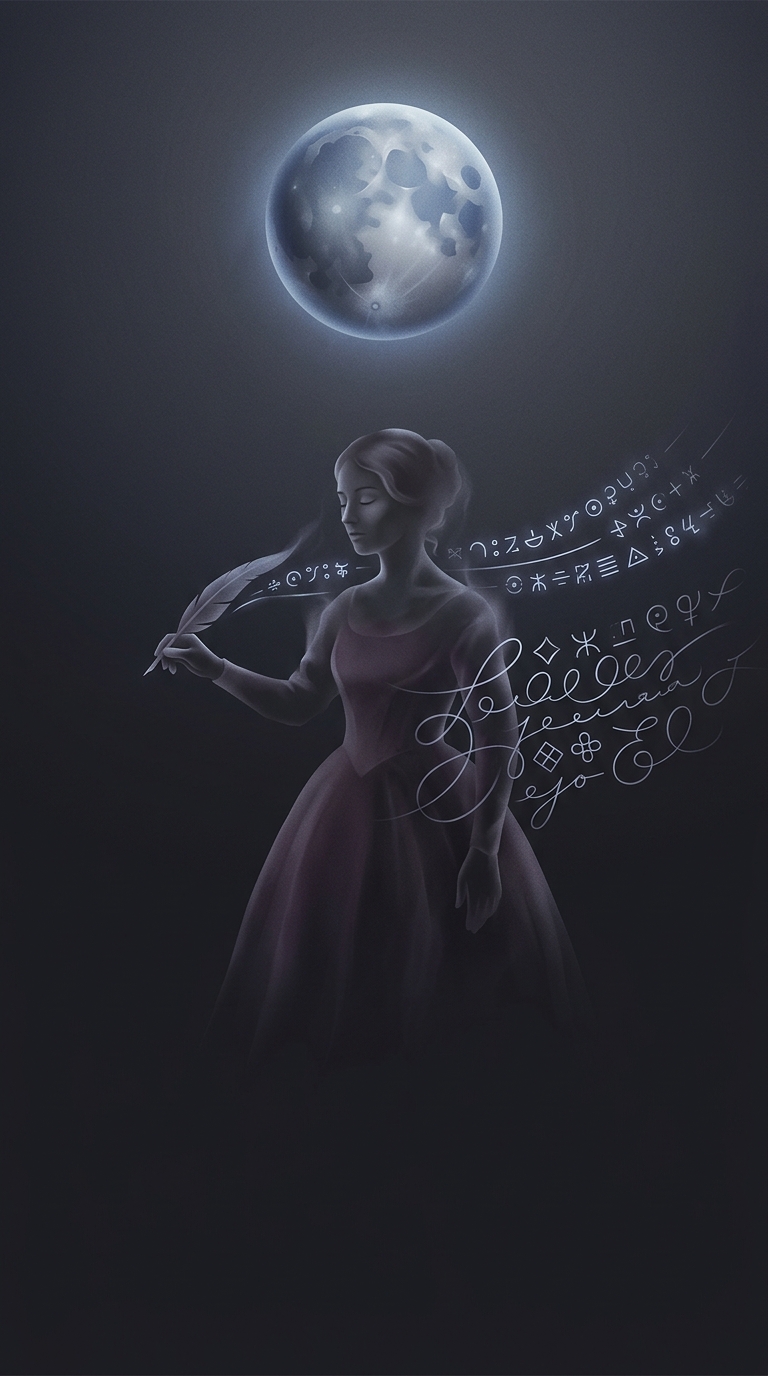
How Martian speech could sound foreign yet follow French
At séances, Hélène Smith produced writing and speech she presented as messages from Mars. The language seemed alien because its vocabulary and sounds differed from ordinary French. But in the late nineteenth century, psychologist Théodore Flournoy examined the material and found that its sentences followed French patterns: the underlying order and grammar were familiar even when the words were not.
That distinction matters. A language can look strange on the surface while still being built from habits its speaker already knows. Smith had no need to consciously invent a complete Martian grammar; French could supply the structure, while unfamiliar-sounding words made the result feel like a separate language.
The role of automatic writing
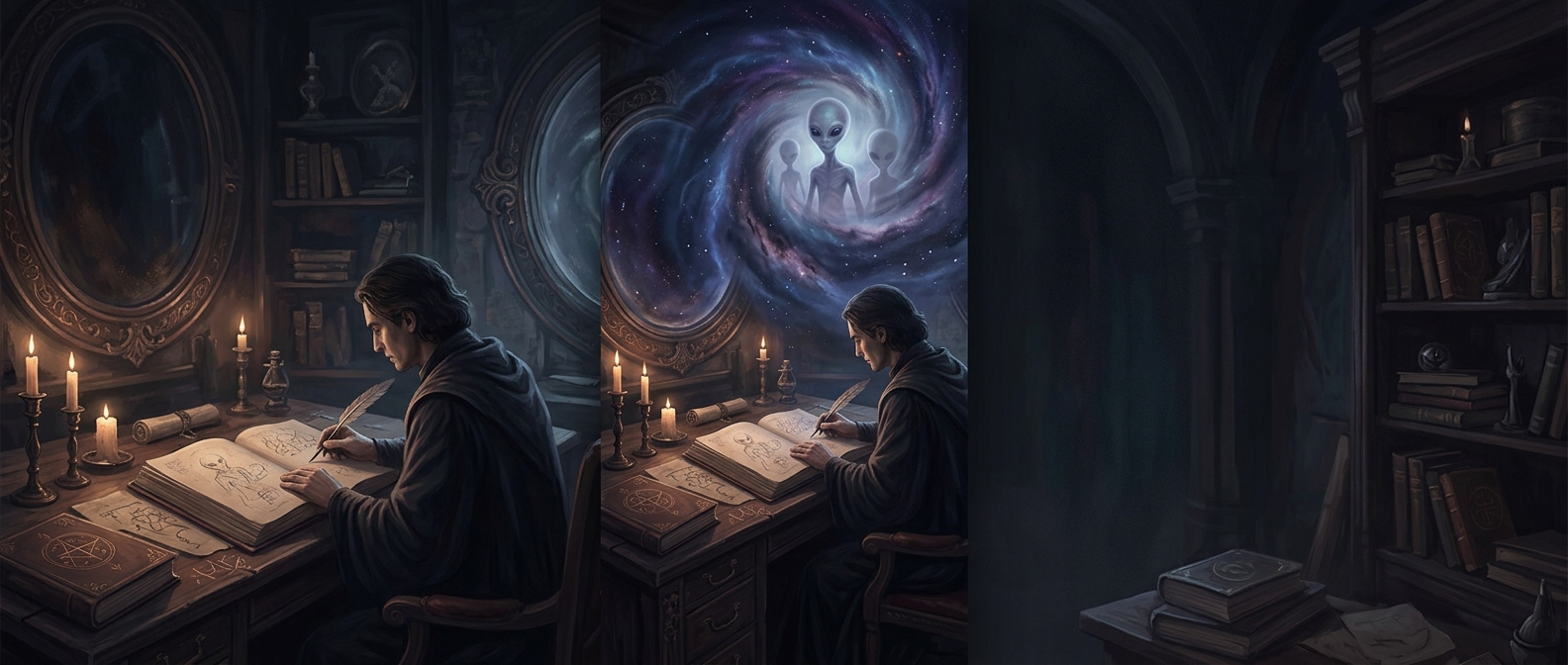
Smith’s messages emerged in spiritualist séances, where participants believed a medium could communicate with spirits or other beings. Writing produced in a trance-like state was often called automatic writing: the writer experienced the words as arriving without deliberate composition. Flournoy treated the messages as material to analyze, rather than accepting their Martian origin as established fact.
The result did not settle what Smith herself believed or experienced. It did offer a concrete way to understand why followers found the language persuasive: it had enough consistent structure to seem purposeful, while its unfamiliar vocabulary supported the impression of an otherworldly source. To a reader encountering the pages, the French beneath the alien surface was easy to miss; to a close analyst, it was the clue that made the language intelligible.