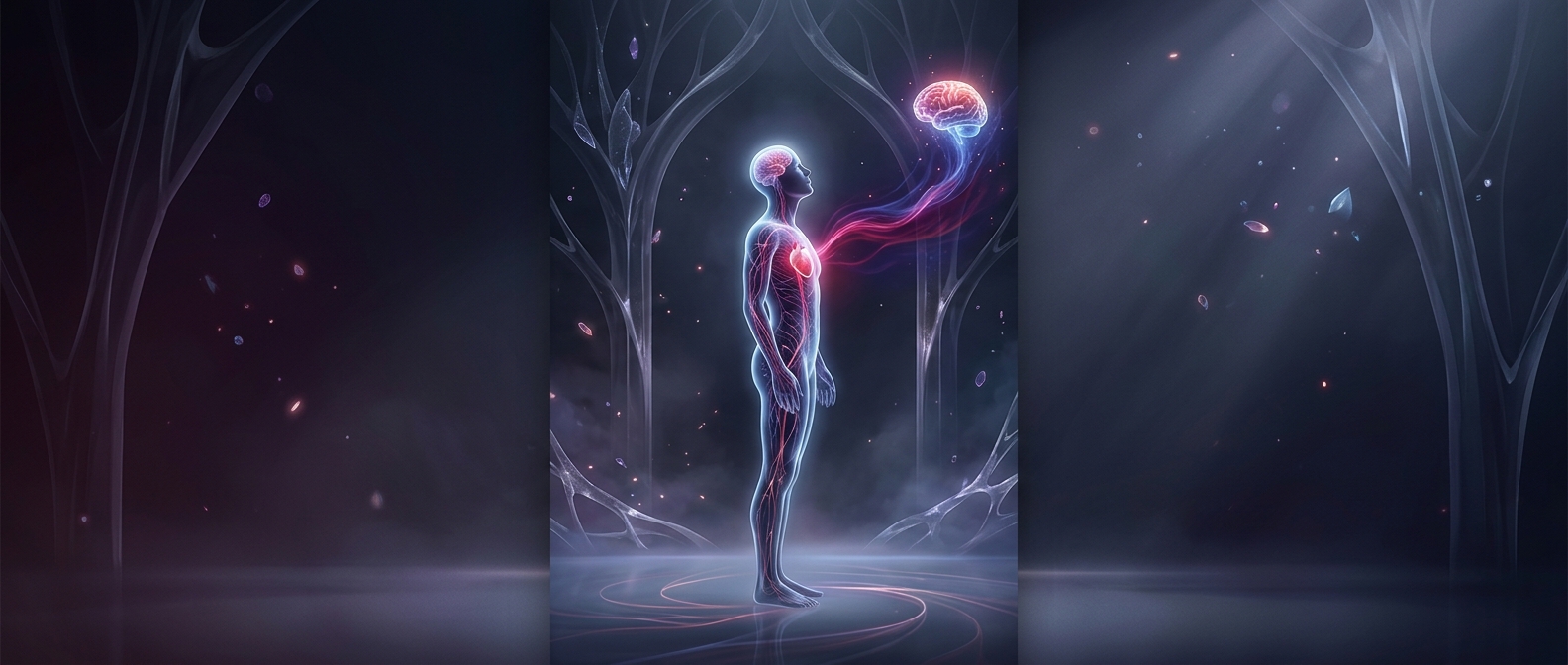
Why Hanging Upside Down Makes the Head Feel Full
Gravity changes the pressure in the circulation when the head is lower than the heart. In an upright person, blood traveling toward the head moves upward; when the body is inverted, gravity instead adds pressure to the vessels in the head and face. The result is not a motionless reservoir of blood, but a continuing shift in circulation and fluid toward the lower end of the inverted body.
Veins carry blood back toward the heart, and their thin walls can expand as pressure rises. In the face, that can make small vessels more prominent and allow fluid to move into surrounding tissue, causing visible swelling. The same pressure change can increase pressure inside the skull, a rigid space containing the brain, blood, and cerebrospinal fluid.
Why Duration Matters
The body has ways to regulate circulation, but they do not make prolonged inversion equivalent to standing upright. Remaining head-down keeps gravity acting in the same direction, so the pressure effects persist rather than ending after a brief change in position. A short inversion and an extended one therefore place different demands on the circulation.
That is the practical limit behind the striking image: humans can tolerate being upside down briefly, but our circulation is not built to keep the head below the heart indefinitely.