Why a small code error can produce a large commit message
A Git commit records a project’s state at a particular point in time, along with a short message describing the change. Developers often create commits while fixing one problem at a time, so the message is written in the middle of the work—not after the whole task has been neatly wrapped up.
That timing matters. A syntax error can look trivial in a finished diff, yet take repeated edits and test runs to locate. When the same failure keeps blocking progress, the commit message may become an outlet for the frustration that the code itself cannot express.
The history preserves the mood as well as the fix
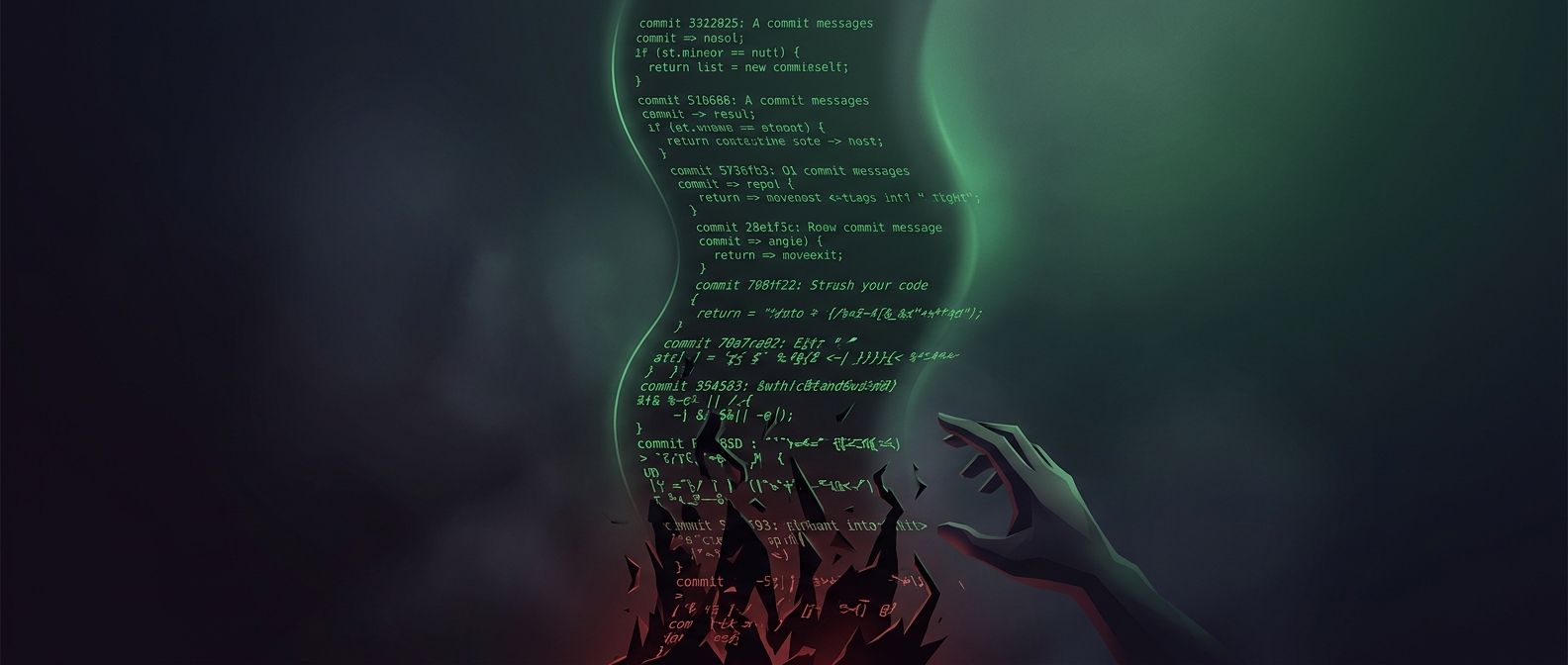
Commit messages are meant to help people understand a project’s history: what changed, and sometimes why. But they are also durable records. Once a commit is shared with a team, its message can remain visible long after the bug is forgotten. An all-caps outburst therefore sits beside the technical record, capturing a moment in the debugging process rather than serving as a careful description of the finished code.
In a long sequence of revisions, terse professional notes can give way to exasperation as small failures accumulate. The contrast is part of what makes these messages memorable: the code records what the developer changed; the message can reveal how hard it was to get there.