How a Derailleur Gets a Moving Chain onto Another Gear
A bicycle chain is made of linked plates and rollers, so it can bend around a sprocket and flex slightly from side to side. That sideways flexibility is what lets it move between gears without being disconnected. The derailleur uses it by guiding the chain toward the neighboring sprocket while the chain is moving.
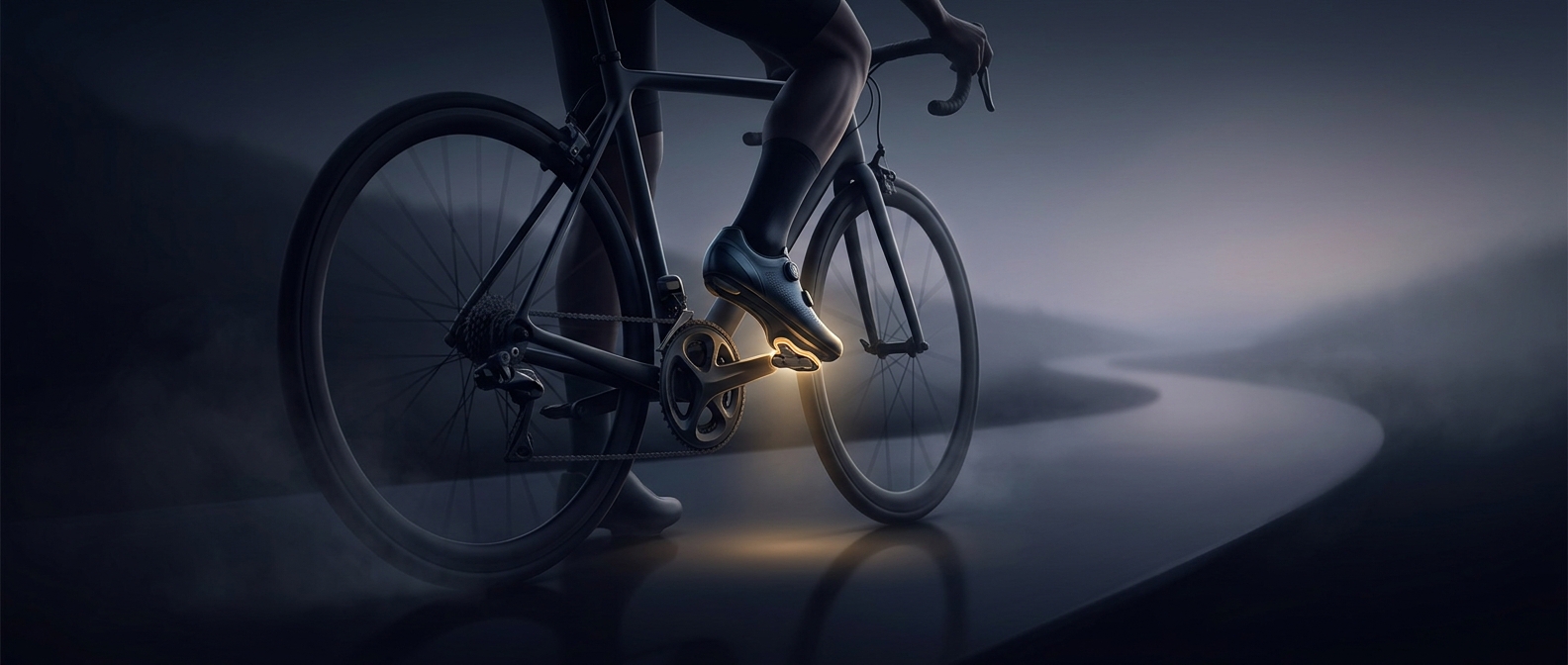
When the rider shifts, the shifter moves the derailleur laterally, usually by changing tension in a cable. The derailleur’s small guide pulley presses against the chain and steers it out of its current line. At first, the chain may ride against the side of the next sprocket. As the pedals turn, the chain’s rollers meet the sprocket’s teeth and settle into place.
Why the Shift Is More Than a Push
The sprockets are designed to help that transition. Their teeth and shaped features provide places for the moving chain to climb onto or drop off, so the derailleur does not have to lift a stationary chain over a solid barrier. The chain’s motion supplies the final step: each passing link gets another chance to catch.
The derailleur also keeps the chain taut. Its spring-loaded lower arm takes up slack as the chain moves between sprockets of different sizes, preventing the chain from drooping. Shifting works best while pedaling, but easing pressure on the pedals briefly makes the transition smoother: the chain can climb into its new path without carrying the rider’s full force against the teeth. That small pause is why a clean shift often feels like a quick click rather than a crunch.