A painted line is a promise, not a barrier
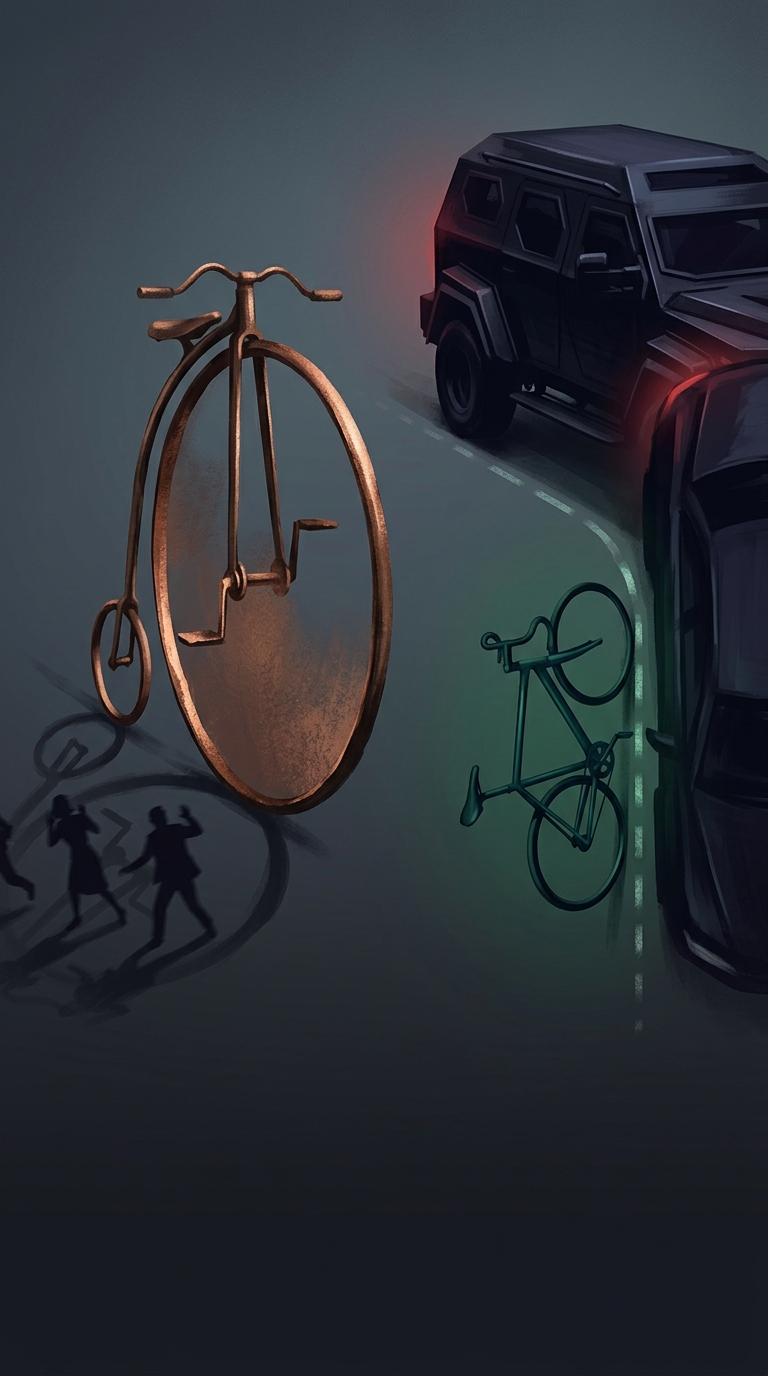
A stripe on the road can make a bike lane visible, but it cannot physically keep a car out. The distinction matters because a lane’s apparent safety can exceed its actual protection: a cyclist may have a marked path, yet still share the space beside moving traffic with nothing between them but paint.
That vulnerability comes from how streets are divided. A painted lane can often be added without removing a full lane of motor traffic or changing the curb. Drivers retain nearly the same roadway, while cyclists gain a designated route. But when a driver turns across the lane, drifts toward the curb, or merges into it, the marking does not slow the vehicle or prevent the conflict.
Protection depends on what separates the traffic
A bike lane can offer useful visibility and order, but its design determines how much separation it provides. Paint marks where cyclists are expected to ride; a curb, raised separator, or row of sturdy posts can make it harder for cars to enter that space. Those physical features require more room, construction, and changes to the street, so they can involve tougher tradeoffs than repainting pavement.
That helps explain why a marked lane may appear to be a safety improvement while leaving cyclists exposed at the exact moments when paths cross. The paint is most effective when drivers see it, understand that it is space for bicycles, and yield when their routes intersect. It cannot make those actions happen by itself.
The street’s priorities show in its design
For cyclists, the practical difference is whether a lane merely indicates a place to ride or provides a real buffer from vehicles. For cities, that difference reflects a choice about how much street space and protection to devote to people outside cars. A painted boundary can be an important first step—but a cyclist crossing an intersection still has no shield if a driver fails to notice it.