How a question became a crack
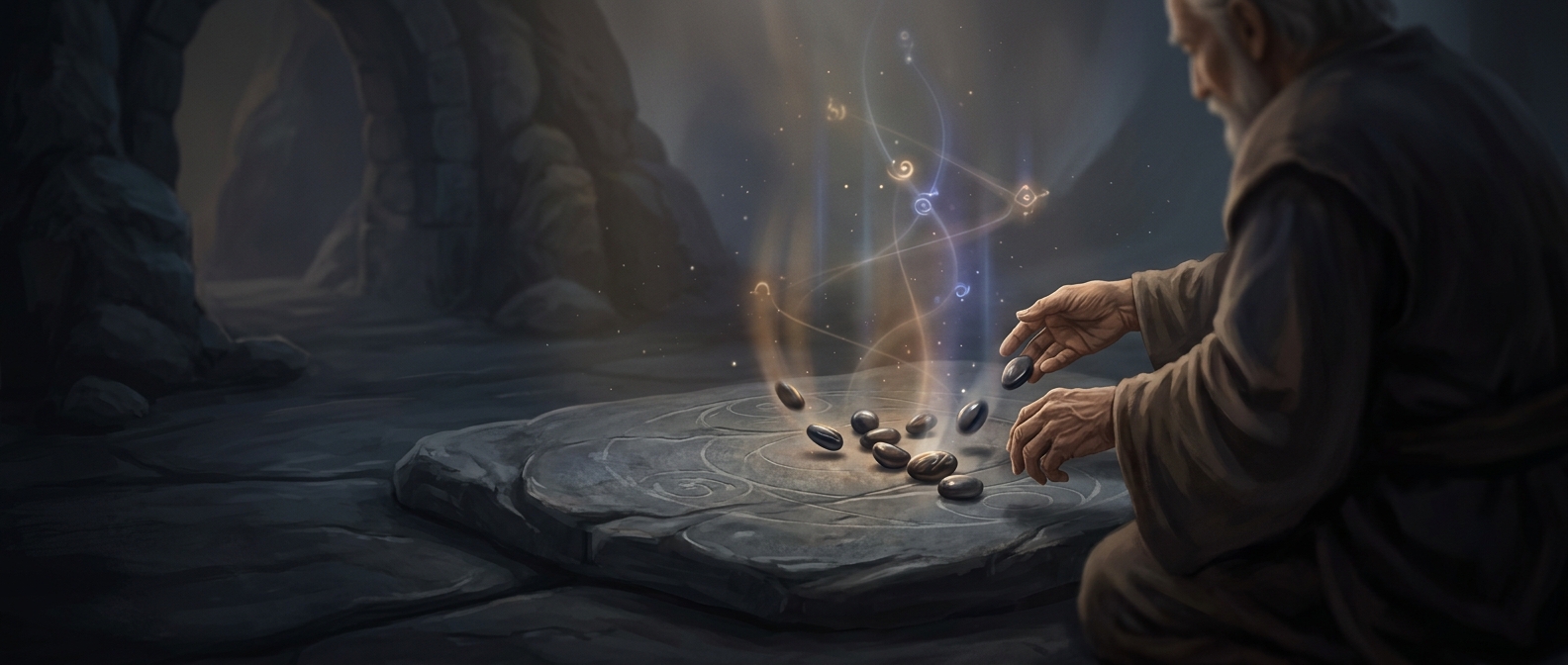
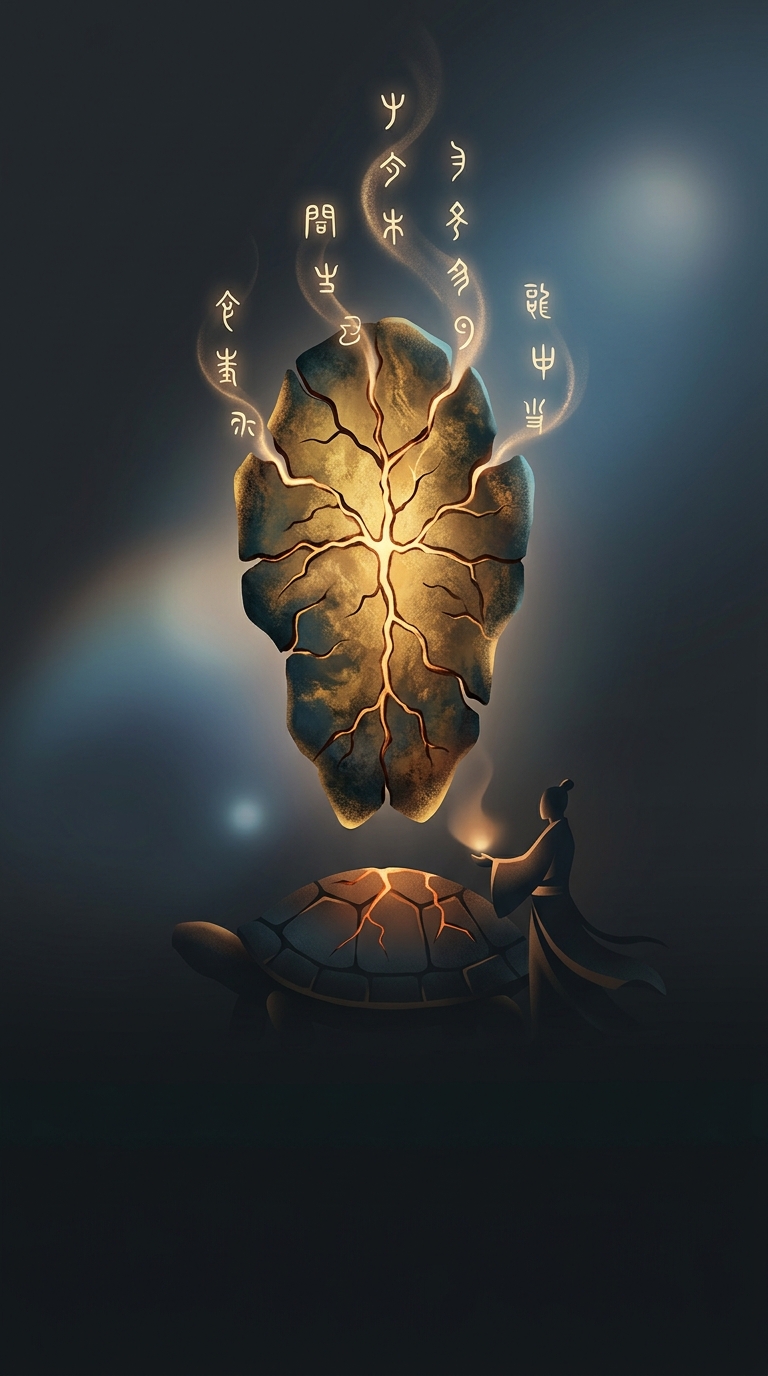
In the late Shang dynasty, royal diviners used oracle bones—usually cattle shoulder blades or the undersides of turtle shells—to seek answers about matters affecting the court. A diviner prepared a small hollow in the bone, then applied heat nearby. The resulting crack was treated as a sign to interpret, not as a random break with an obvious meaning.
The questions could concern rain, harvests, warfare, hunting, or a king’s health. The ritual made uncertainty legible to the people in power: a decision could be framed as a consultation with ancestral spirits, whose favor was thought to matter to the kingdom’s fortunes.
The answer became part of the record
Many bones preserve more than the question. Inscriptions can identify when the consultation occurred, who conducted it, what was asked, and what the diviner predicted. Some also record a later outcome. These brief entries let researchers see divination as a process: a concern was posed, a sign interpreted, and sometimes the result checked against events.
That practical record-keeping helped make the bones extraordinarily important to the history of writing. Their inscriptions are the earliest substantial body of Chinese writing known, though they were not necessarily the first marks or writing ever made in China. The characters already show a developed system, suggesting that writing had an earlier history that has not survived in comparable form.
Royal uncertainty, preserved in bone
The bones were not simply private curiosities; they document a court organizing decisions around ritual and ancestry. Their survival gives historians direct evidence of Shang concerns and scribal practice that would otherwise be difficult to recover. A shell heated for a question about rain or illness thus became, unintentionally, an archive—preserving both what the court feared and how it tried to make the future manageable.