A blank webpage became advertising space
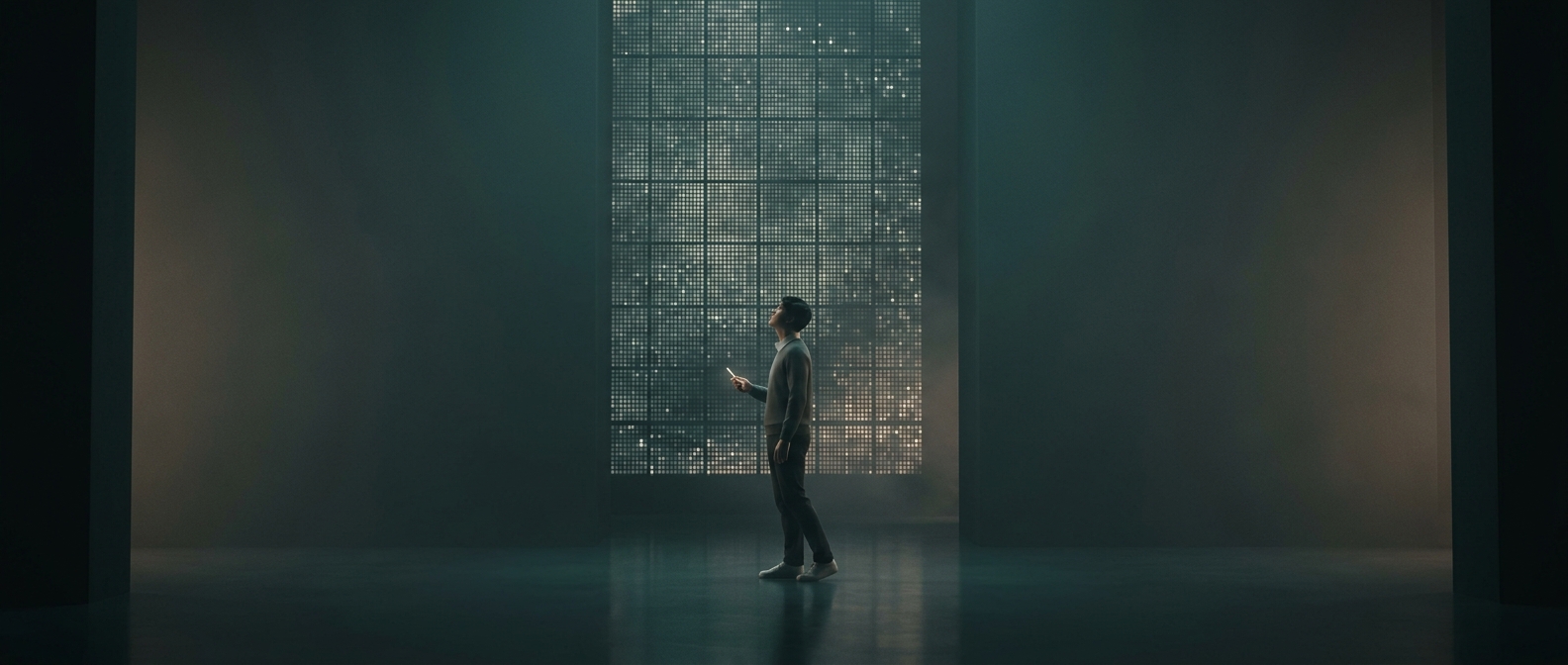
In 2005, British student Alex Tew needed a way to pay for college. His solution was to turn a webpage into a giant mosaic: a square grid of one million tiny picture elements, or pixels, each offered for a dollar. Buyers didn’t purchase useful space for a conventional banner campaign. They bought a small patch of the page where they could display an image linked to their own website.
The idea worked because the page made its limited resource easy to understand. There were only so many pixels, and every patch sold reduced the space left. In practice, buyers purchased blocks large enough to show a recognizable logo or image, rather than isolated single pixels.
Why people bought a patch
A pixel on its own was nearly impossible to see. But as colored blocks accumulated, the page became a busy collage of logos and messages, each serving as a clickable advertisement. Visitors could scan the mosaic and follow links to the advertisers’ sites.
The offer also had a built-in story: buyers weren’t simply renting ad space; they were helping a student finance college through an unusual online experiment. That made the page entertaining to visit and easy to pass along. More visitors made a listing more visible, while the growing crowd of advertisers made the page itself more of a spectacle.
Scarcity was the mechanism
The format turned a familiar online resource—screen space—into a fixed inventory. Unlike a standard ad that can be swapped or rotated, a patch on the mosaic remained part of a single, increasingly crowded page. The one-million-pixel limit gave the project a simple endpoint: once the grid was full, there was no more space to sell.
That constraint was the clever part. The page’s value came not from each tiny square alone, but from the combination of scarcity, curiosity, and visibility. A student’s funding plan became a public display that people could keep revisiting—and that, in turn, gave the pixel mosaic its appeal.