Why a Gravity Gun Pulls in a Straight Line
A realistic gravitational field would not neatly reel one chosen object toward a player. Gravity acts on everything with mass, and its pull depends on the positions and masses involved. A game weapon instead needs to make one clear promise: point at an eligible object, and that object comes to you.
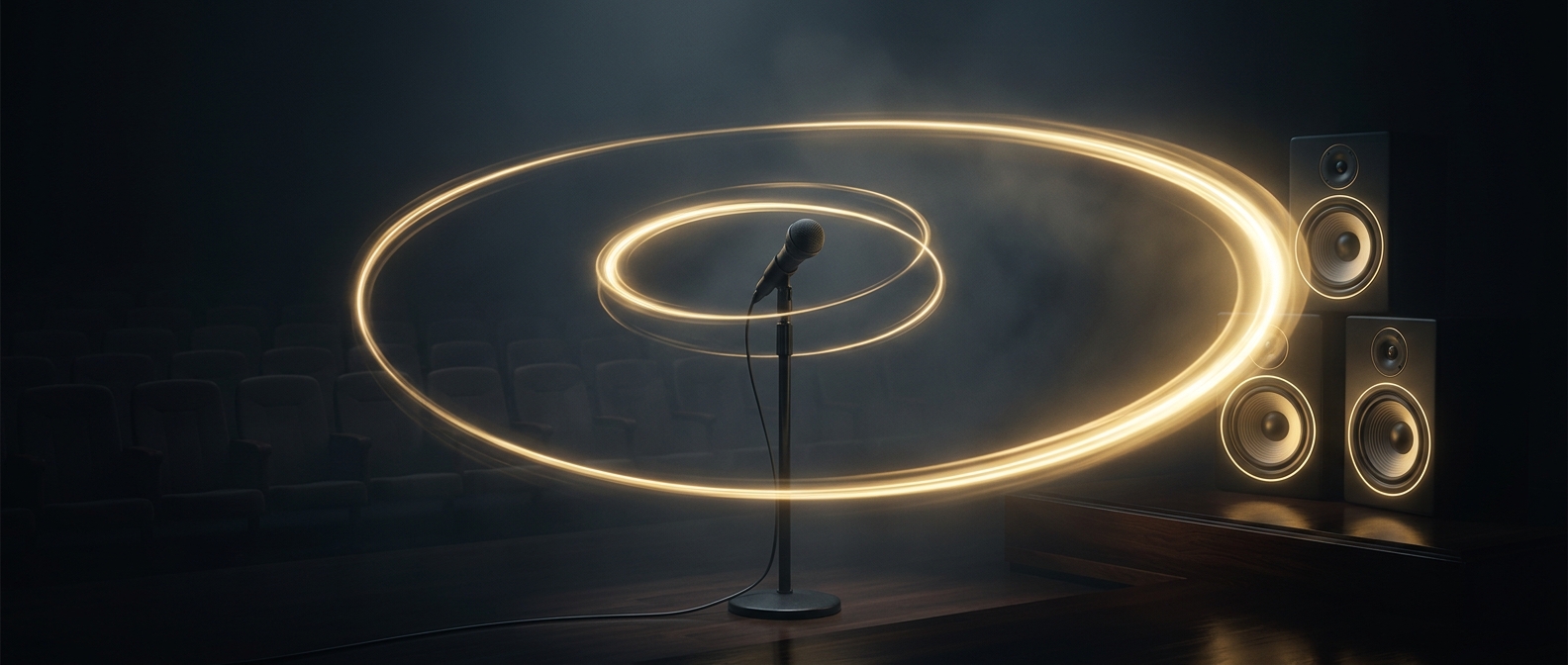
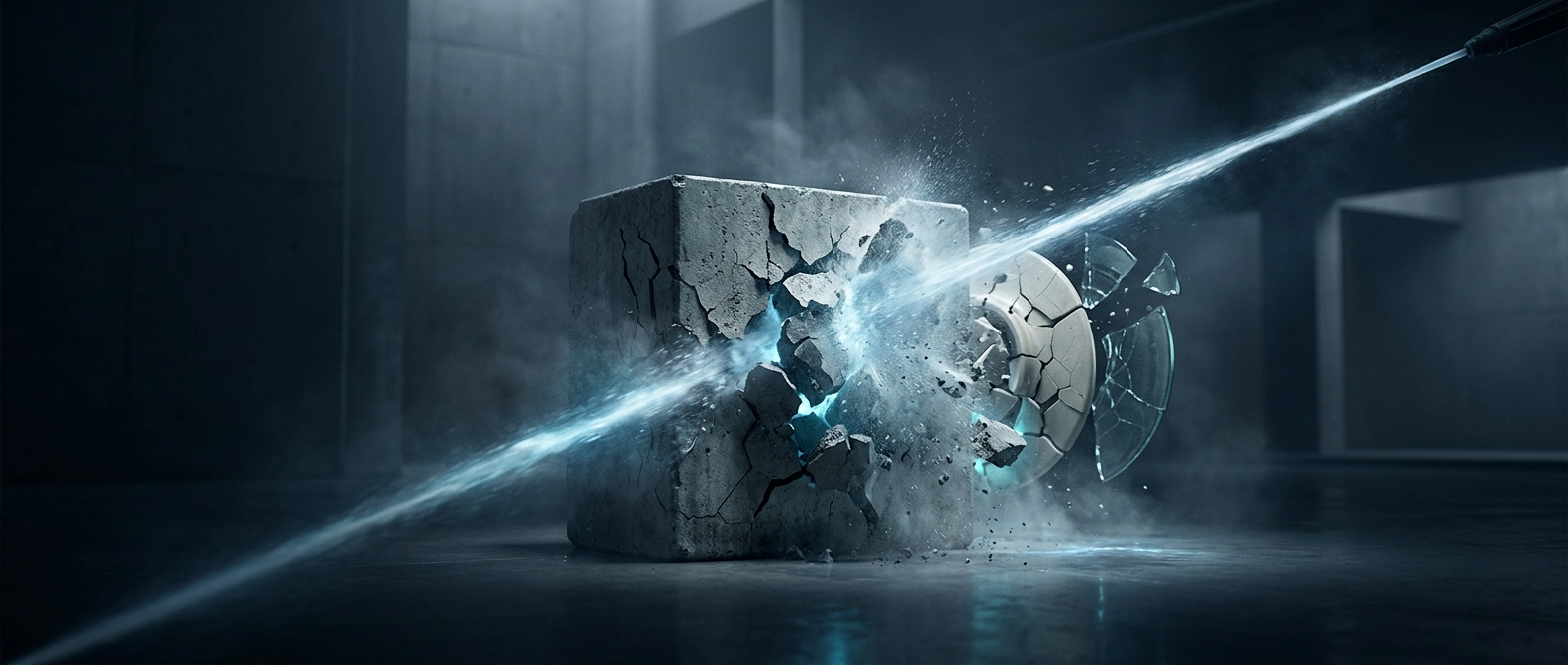
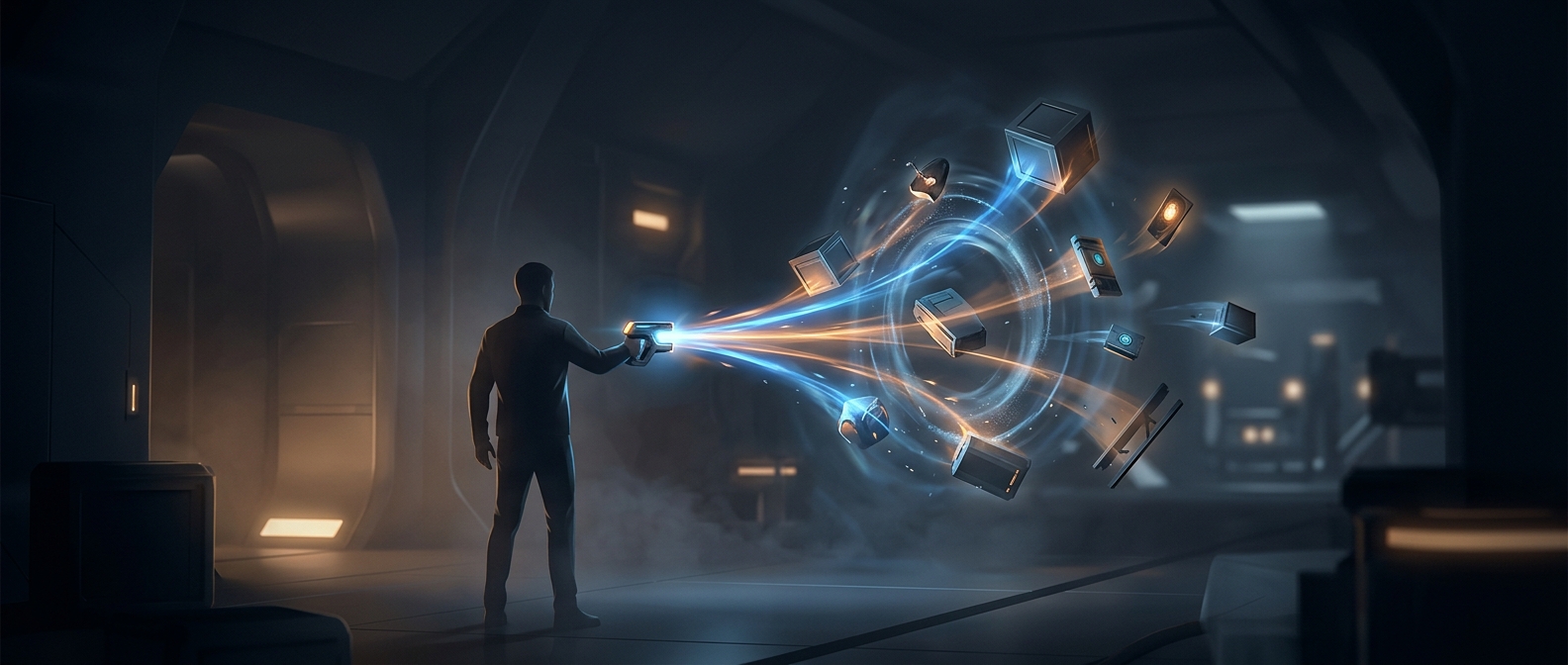
The “gravity” label is therefore less a physics lesson than a visual shorthand. The gun behaves more like a focused tractor beam or an invisible magnetic grab. It applies a directed force to the selected object, steering it toward the player rather than reproducing the tangled motion that real gravity would create.
A Pull Becomes a Way to Fight
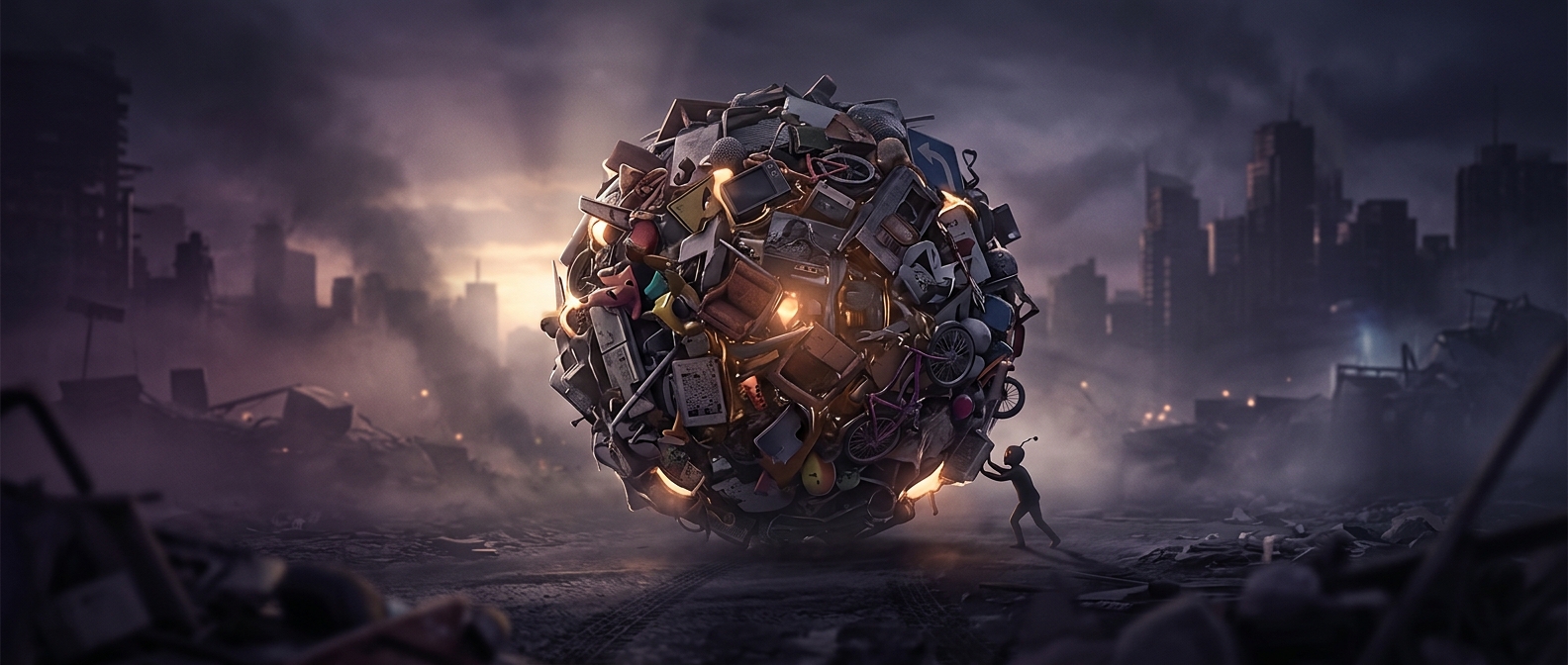
That predictable motion makes the tool useful in more than one way. Pulling an object into reach turns the environment into an inventory: a player can grab something bulky nearby instead of relying only on carried weapons. Once the object is moving, its mass and collision can become part of the attack. A radiator, for example, is no longer just scenery; it can be hauled over and hurled at an enemy.
The simplification is the point. If objects drifted along realistic orbital paths or every nearby prop responded to the same force, the weapon would be harder to aim and less readable in the middle of a fight. A direct pull turns physical scenery into a dependable game resource, while leaving the object’s weight and impact to make the result feel substantial. The room becomes a supply of improvised weapons, one targeted object at a time.