Why Pac-Man’s perfect game ends at 255 boards
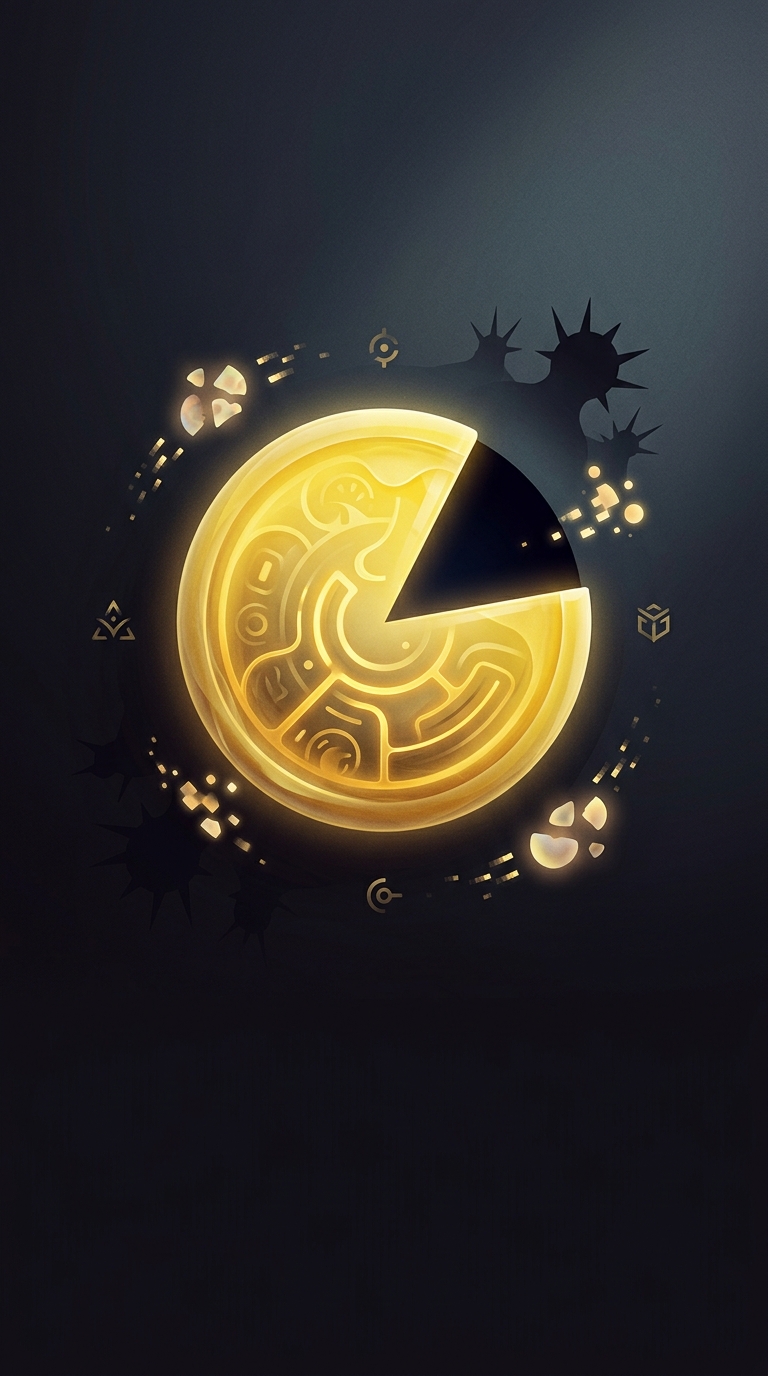
Pac-Man’s famous maximum score is not the reward for clearing an endless maze. The original arcade game has a built-in limit: after 255 boards, its level counter rolls over. The game tries to draw the next maze using corrupted data, producing the half-garbled screen known as the “kill screen.” The cabinet is still running, but the board can no longer be completed normally.
That makes a perfect game a race against a software limit. The player must reach the final playable board with enough lives and score every point the game allows before the counter breaks.
Every point has to fit into the run
A perfect run demands more than eating the small dots. Pac-Man must also collect the larger power pellets and the fruit that appears during each board. Power pellets let him turn the tables on the ghosts; eating a frightened ghost earns points, with successive ghosts in the same power-up worth increasingly more. Missing even one available scoring opportunity can put the maximum out of reach.
The total—3,333,360 points—therefore reflects a tightly managed sequence of boards, not simply survival. The player has to combine precise routing with decisions about when to chase ghosts and when to prioritize the maze’s remaining dots.
A record shaped by the hardware
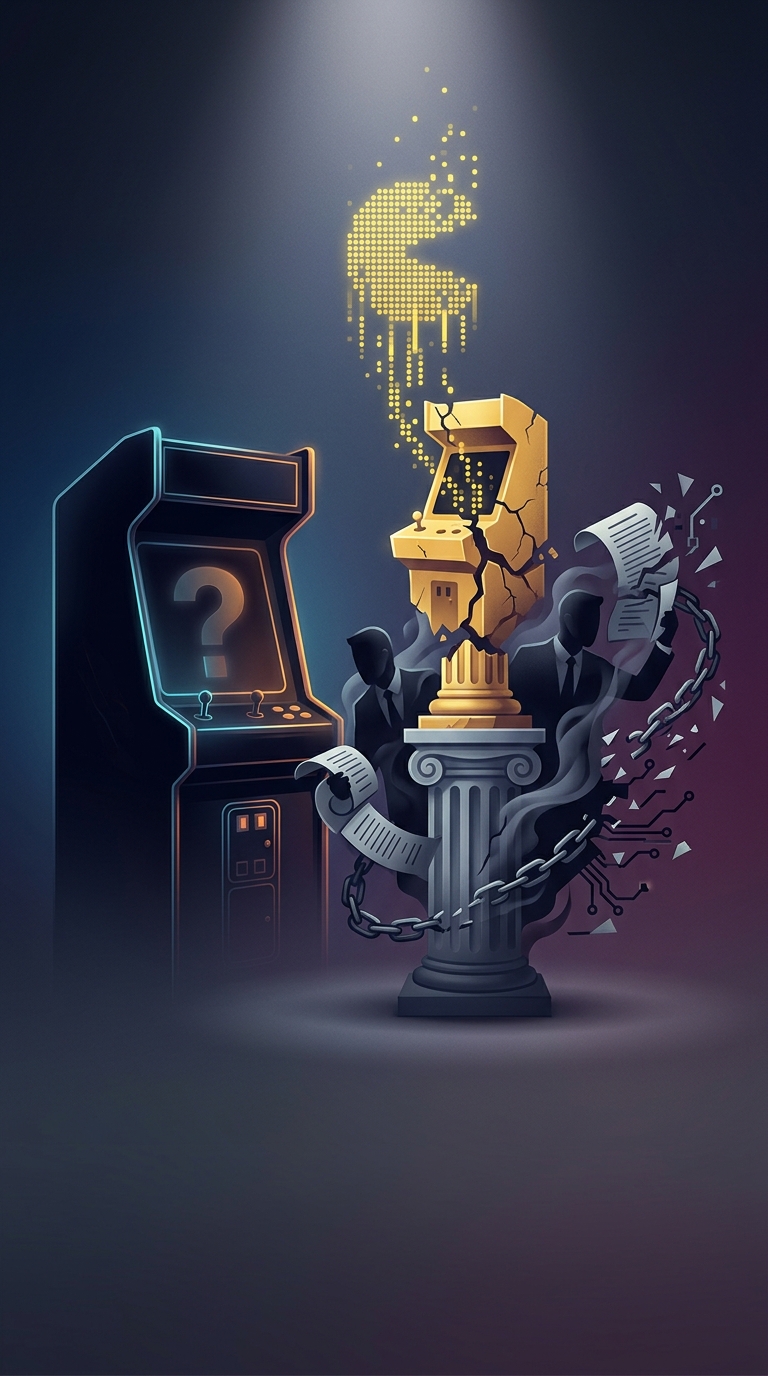
The kill screen makes the achievement unusually tied to the original game’s machinery: the level counter’s overflow is what sets the endpoint. That also helps explain why questions about how a score was produced matter in recordkeeping. A run on an emulator—a program that imitates an arcade machine—can raise different verification questions from a run on an original cabinet.
In the end, the perfect score is a victory over both the ghosts and Pac-Man’s own code: the player clears every scorable opportunity the game permits, right up to the point where the game can no longer build a proper board.