How a reddish light became Mars
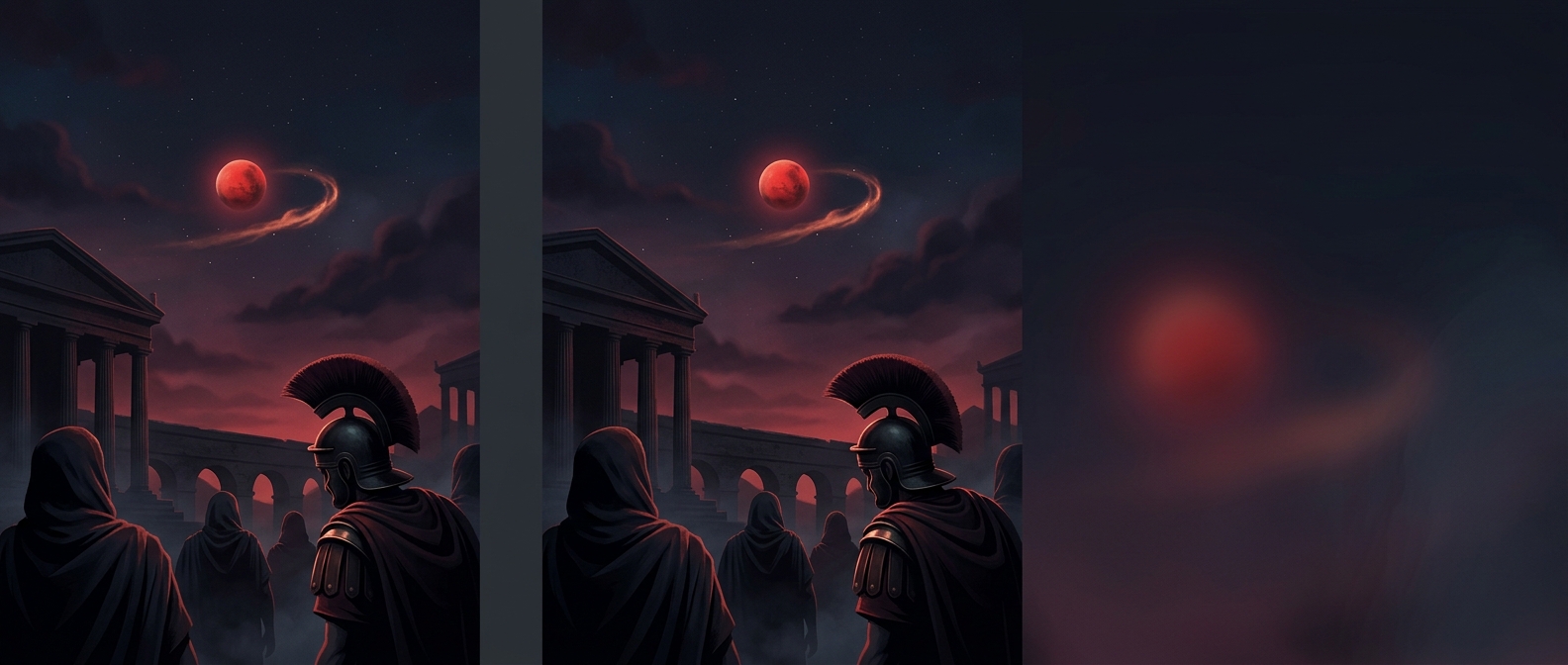
To someone watching the night sky, Mars can stand out as a reddish point among whiter stars. The color comes from sunlight reflecting off iron-rich dust and rock on the planet’s surface. Long before anyone knew that physical cause, observers could see the color—and connect it with familiar things on Earth, especially blood and fire.
That visible clue helped shape the planet’s name and story. The Romans named it for Mars, their god of war. The association made intuitive sense: a red light in the sky could suggest bloodshed, while the god supplied a ready-made character for the planet.
Myth became astrological meaning
Astrology inherited more than a name. In traditional Western astrology, Mars came to signify qualities associated with the Roman god: conflict, force, courage, and the drive to act. It is also classified as a masculine planet in that system. Here, “masculine” is an old symbolic category—not a claim about biological sex or a scientific measurement of personality.
The symbolism is therefore not just a color code. Mars’s reddish appearance made the war-god connection memorable, while mythology gave astrologers a larger set of meanings to attach to the planet. Later astrological interpretations carried those associations forward.
The role of chance
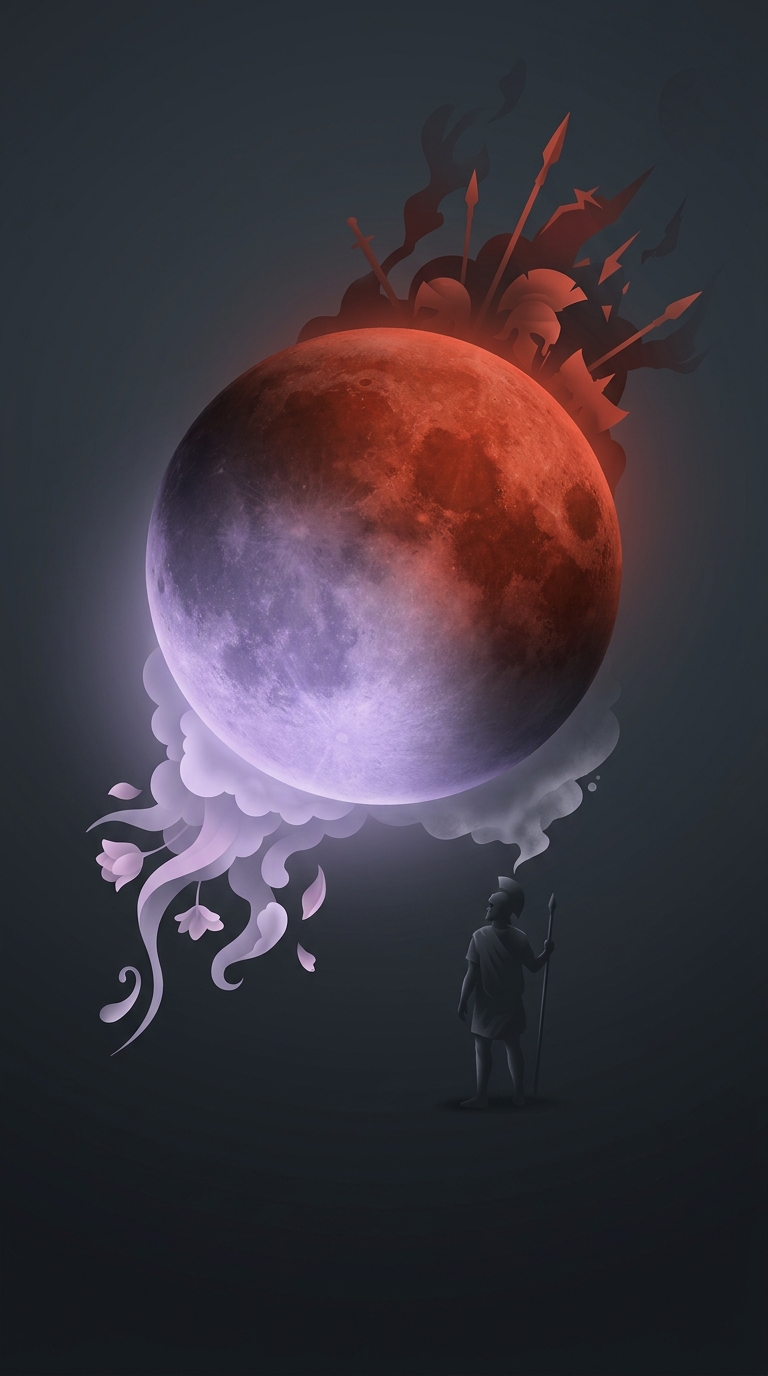
A planet’s appearance does not dictate what it must mean. The chain is cultural: people notice a feature, interpret it through stories they know, and pass the interpretation along. If Mars had looked lavender, its symbolism might have developed differently—but there is no reason to think naps or self-care would automatically have followed. Those meanings would have needed their own stories and traditions.
The striking detail is how a distant world’s color could help turn a speck of light into a character: first a visible red, then a Roman god, and finally a lasting astrological symbol.