Why Mars Seemed to Turn Back
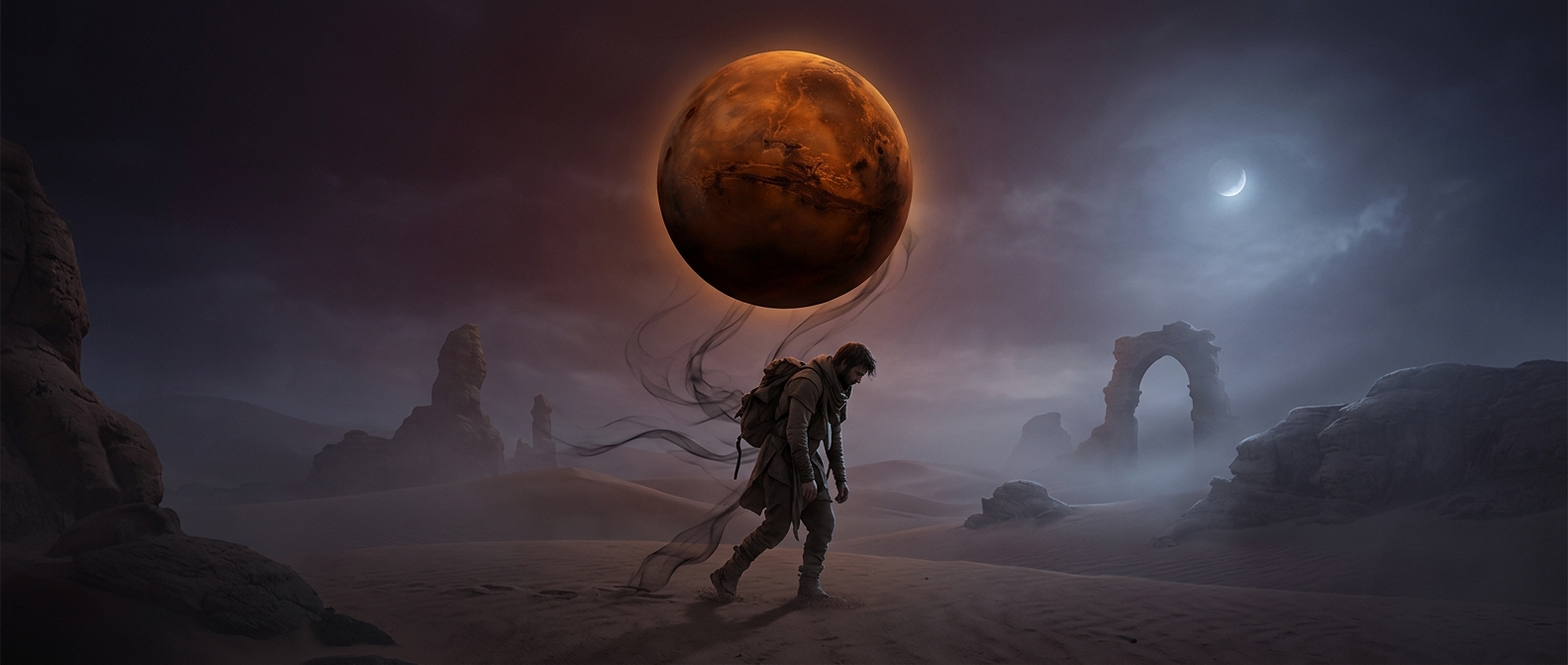
Mars does not actually reverse its orbit. The apparent backward motion—called retrograde motion—is a viewing effect. Earth travels around the Sun faster and on a smaller orbit than Mars. As Earth catches up with and passes the red planet, Mars appears, against the distant stars, to slow down, pause, and drift backward before resuming its usual direction.
The shift is gradual, unfolding over weeks. To an observer watching the night sky, though, a planet that had been progressing across the stars seemed to change course.
A Change in the Sky, a Change in Meaning
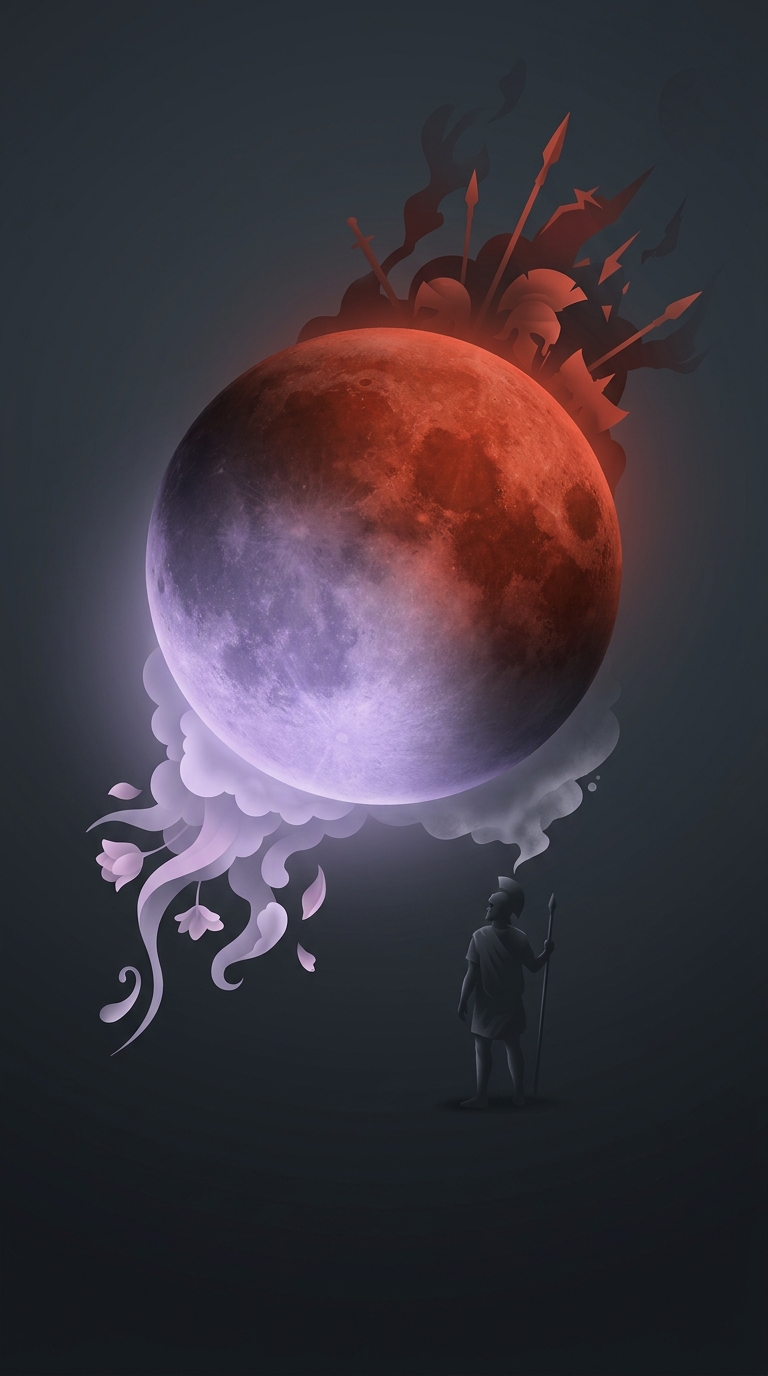
Romans understood the sky through a religious culture in which unusual celestial events could be treated as signs from the gods. Mars was not just a bright planet: he was the god of war, associated with Rome’s military strength and fortunes. If Mars appeared to retreat, that movement could be read symbolically as the god withdrawing—or as an ominous signal for the people who depended on his favor.
That interpretation made the planet’s motion feel consequential. It linked an observable change overhead to the outcome of battles and the security of the state. The idea was not that Mars physically marched backward through the heavens, but that his apparent movement carried a message.
The striking twist is that the “retreat” comes from Earth’s own motion: as our planet passes Mars, the view changes, and the god of war seems to give ground.