A Cat Claims the Author’s Desk
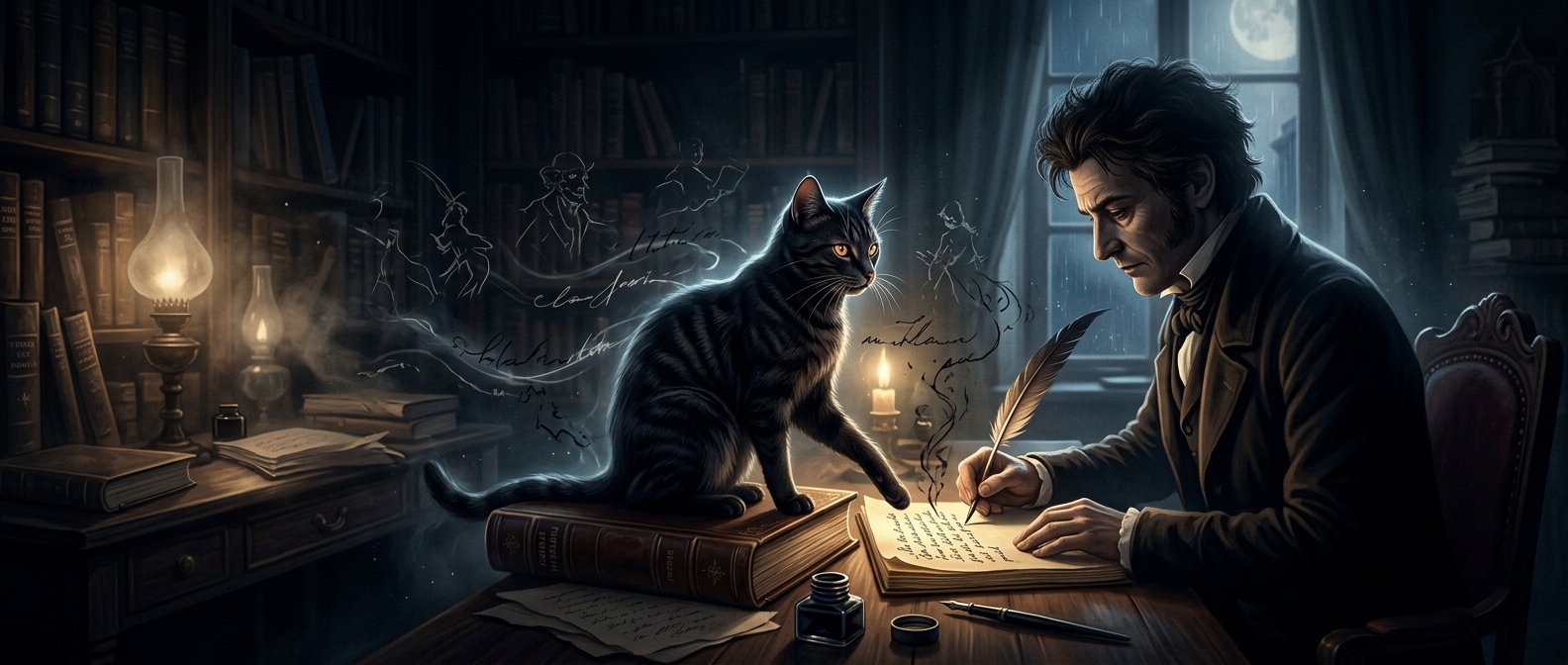
In E. T. A. Hoffmann’s novel The Life and Opinions of the Tomcat Murr, the cat Murr presents his own life story as a work of literature. He writes with lofty confidence, turning ordinary feline experiences into evidence of his importance. The joke is not simply that a cat can talk: Murr’s polished self-portrait makes him sound more eloquent—and more self-satisfied—than the human world around him.
A Biography Gets Caught in the Binding
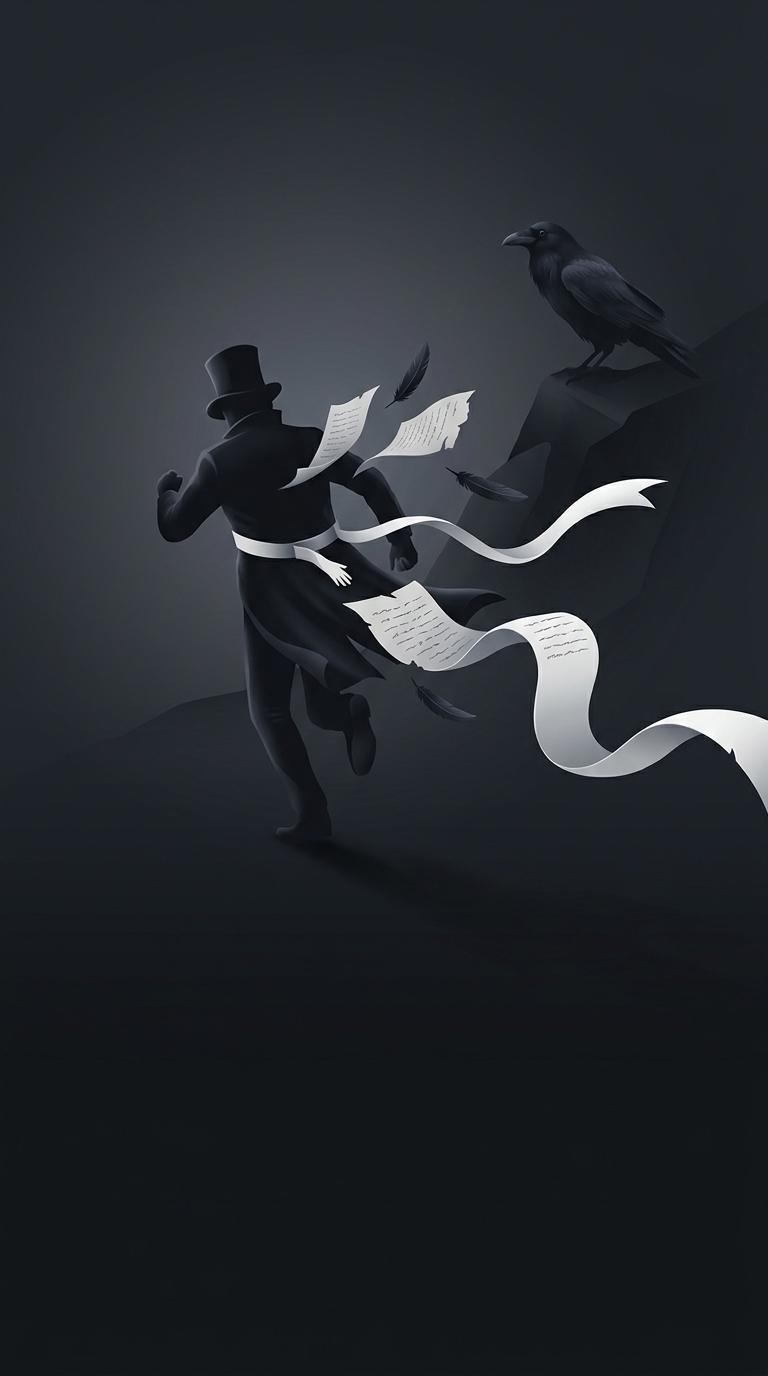
Hoffmann gives the book a second, deliberately unruly voice. Murr has used pages from a manuscript about the musician Johannes Kreisler as blotting paper, and the scraps have been bound into the book alongside the cat’s account. The reader therefore jumps between Murr’s comic autobiography and fragments of Kreisler’s life.
That invented publishing accident lets Hoffmann set two kinds of selfhood against each other. Murr treats life as a chance to display his virtues; Kreisler’s fragments follow a human artist whose experience is less tidy and triumphant. The contrast makes the cat’s grand claims funnier—and exposes how easily a memoir can become a performance of the person writing it.
The Cat’s Confidence Is the Point
Murr’s narration is not a real author’s memoir in disguise. It is a literary trick that turns authorship itself into comedy: the least qualified creature in the story gets the most assured voice. Readers have to piece together the human narrative from the very pages Murr has interrupted, so even the book’s physical form makes his vanity impossible to ignore. The cat does not merely tell his story; he takes over the book.