When a manuscript became kindling
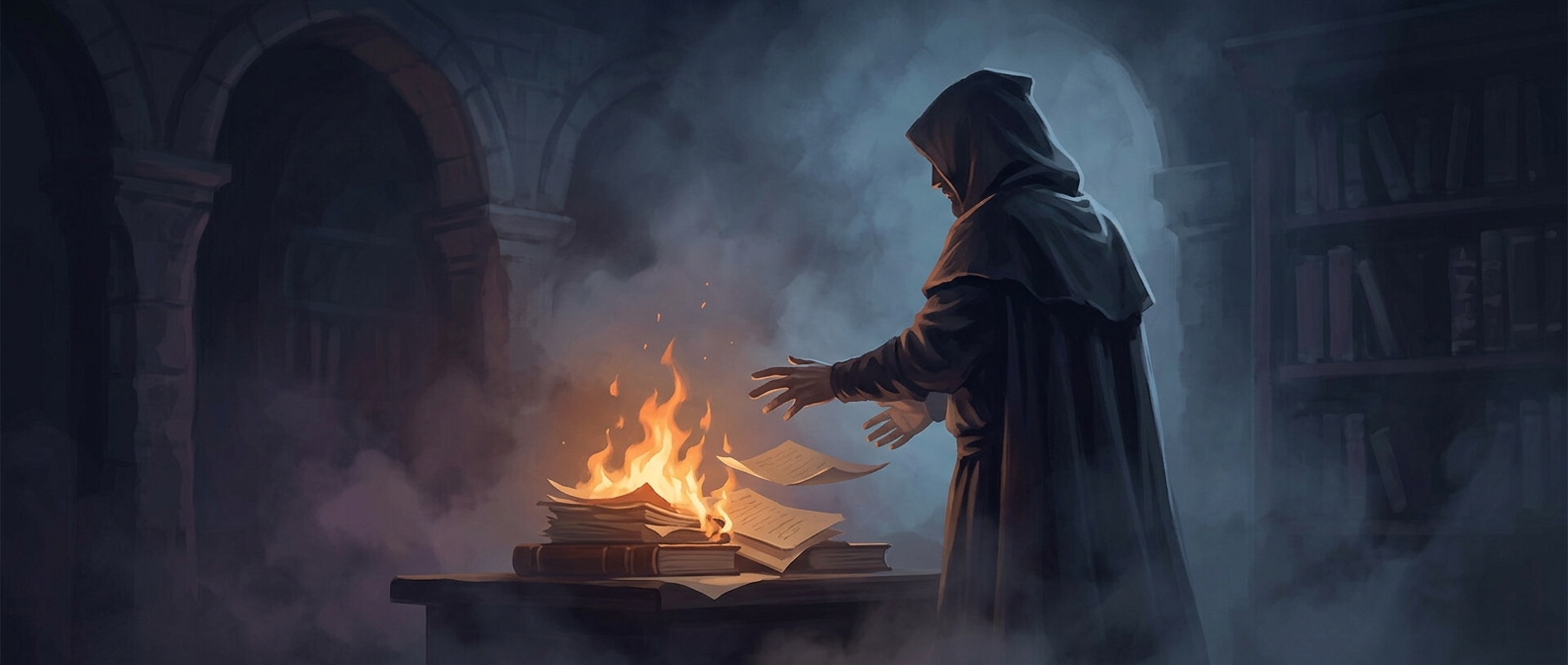
An unpublished book has no readers yet, but it can still feel like a test of whether its writer will be remembered. For this Italian writer, discouragement about his legacy could end not in revision or delay, but in a fire: years of work vanished before anyone else could judge it.
A decision no editor could reverse
Destroying a manuscript is different from abandoning it in a drawer. A forgotten draft might be rediscovered, revised, or published after its author’s death. Burning it closes those possibilities. The writer removes not only a finished text but also the evidence of how he reached it—the experiments, changes, and false starts that might have mattered to future readers.
That made the act a severe form of self-editing. Instead of letting time or an audience decide what deserved to survive, he made that decision himself, at a moment when he felt uncertain about his place in literary history.
The cost of controlling a legacy
The impulse carries a contradiction: wanting to be remembered while destroying work that might have helped secure remembrance. But a legacy is not simply a pile of surviving pages. Writers can reject their own work, and what remains may reflect those private judgments as much as their creative output.
A fireplace turns that judgment into an irreversible one. Once the pages are gone, later generations cannot recover the books he chose not to leave behind—or know what they might have become.