How a Triangle Player Keeps Count Through 300 Measures
A measure is a small unit of musical time, usually marked off by a repeating pulse. When a part contains hundreds of measures of rest, the player is not simply waiting for a vague cue: the score maps out exactly how long the silence lasts. The challenge is to keep that map aligned with the music as it unfolds.
Players can count measures internally, often grouping them into smaller stretches rather than trying to hold one enormous number in mind. They also listen for musical landmarks—such as a change in texture or a recognizable entrance—and watch the conductor, whose gestures help the ensemble stay together. Those clues reinforce the count, but they do not replace it: a familiar passage can be repeated, shortened, or shaped differently from one performance to the next.
The Entrance Is the Test
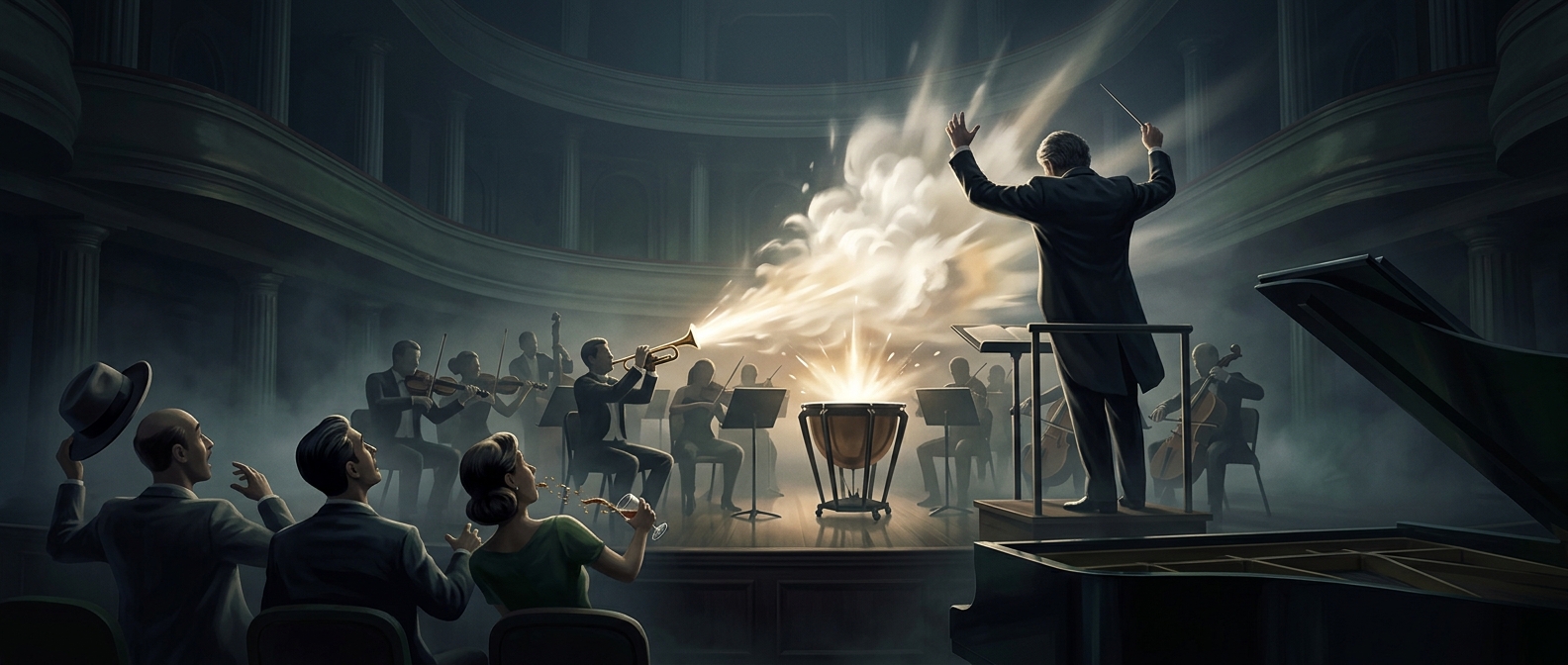
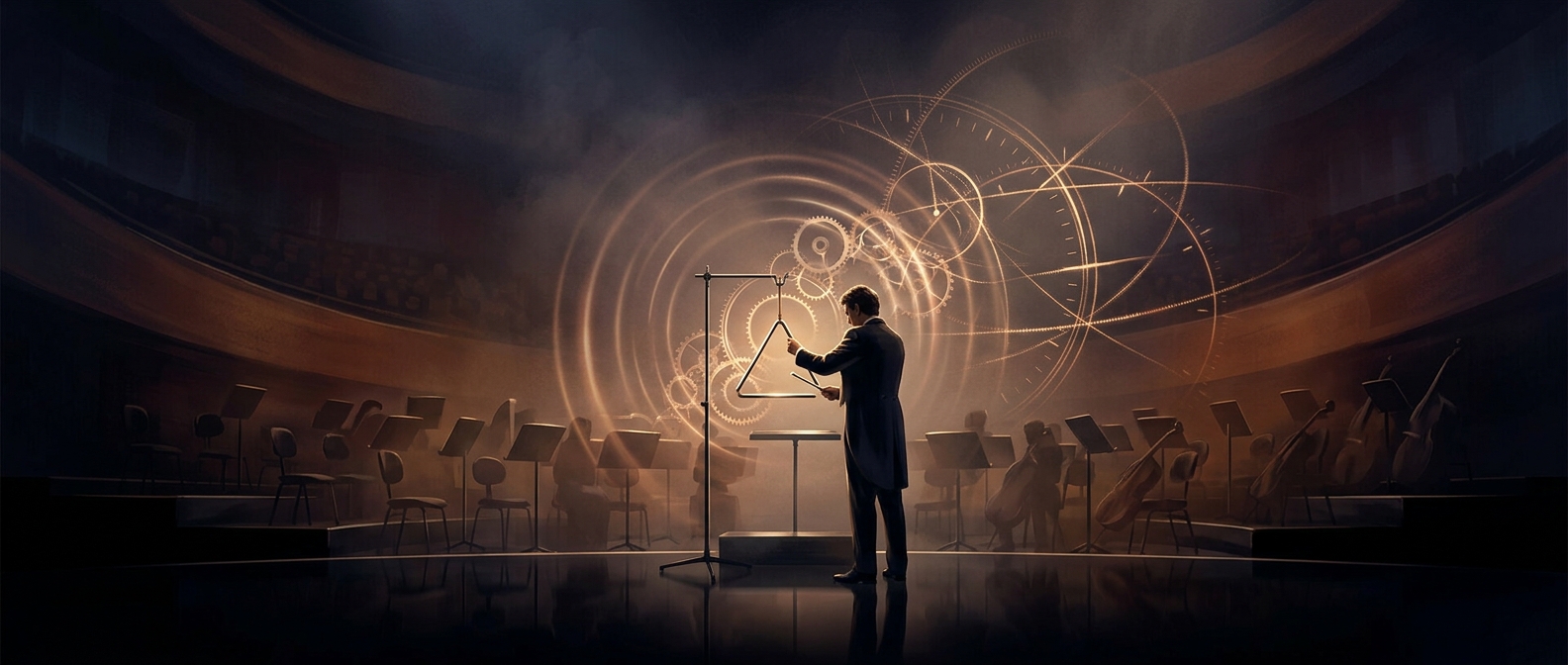
A triangle’s sound can cut through an orchestra, so entering at the wrong moment may be more noticeable than the long silence that came before it. The player must be ready with the instrument and beater, follow the pulse, and make the sound at the precise point written in the score. That means staying alert without letting anticipation turn into an early strike.
The silence is therefore active work. The player is tracking time and listening for context while preparing one brief contribution. When the entrance finally comes, the audience may hear only a bright note; behind it is a count that has been maintained for measure after measure.