Feeling the Piano Through the Jaw
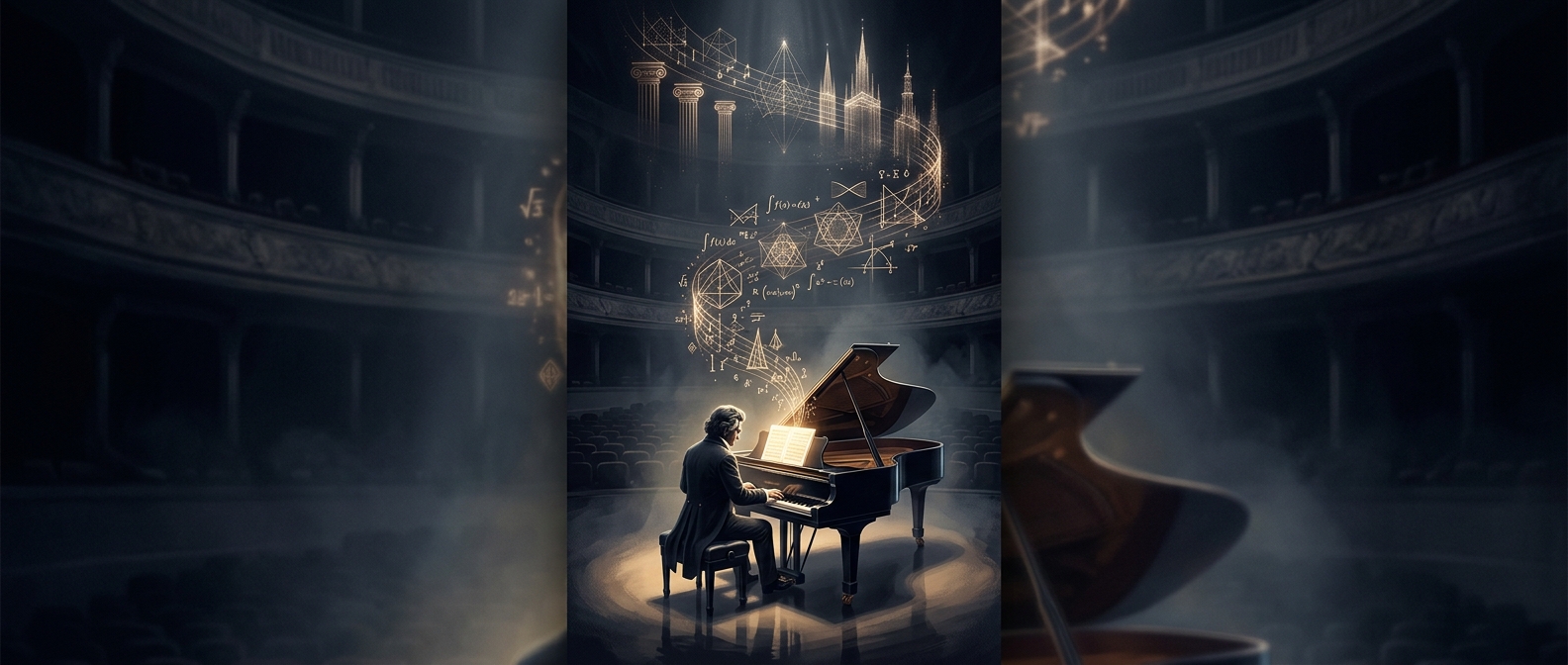
A vibrating piano sends more than sound through the air. When Beethoven bit down on a rod touching the instrument, some of its vibrations could pass through his teeth and jaw into the bones of his skull. This is bone conduction: vibrations reach the inner ear through bone rather than traveling through the outer ear and eardrum in the usual way.
The sensation would not have restored ordinary hearing. Bone conduction can help someone perceive sound when parts of the usual hearing pathway are impaired, but its usefulness depends on the nature and severity of the hearing loss. For Beethoven, the piano’s physical vibration could at least offer a direct cue that a note had been struck and how the instrument was resonating.
A Physical Clue, Not a Substitute for Hearing
Feeling a vibration is different from hearing a clear melody. The piano could transmit a general sense of sound through the body, but that alone would not let him reliably distinguish every pitch or follow a performance as a hearing listener could. Beethoven increasingly had to rely on musical knowledge, memory, and the score as his hearing deteriorated.
The rod’s significance lies in that practical workaround: it connected the instrument to a remaining sensory route. A piano was not only something to listen to; its vibrating structure could also be felt. That gave Beethoven another way to stay physically engaged with the sound he was composing, even as ordinary listening became harder.