A symphony could share the room with dinner
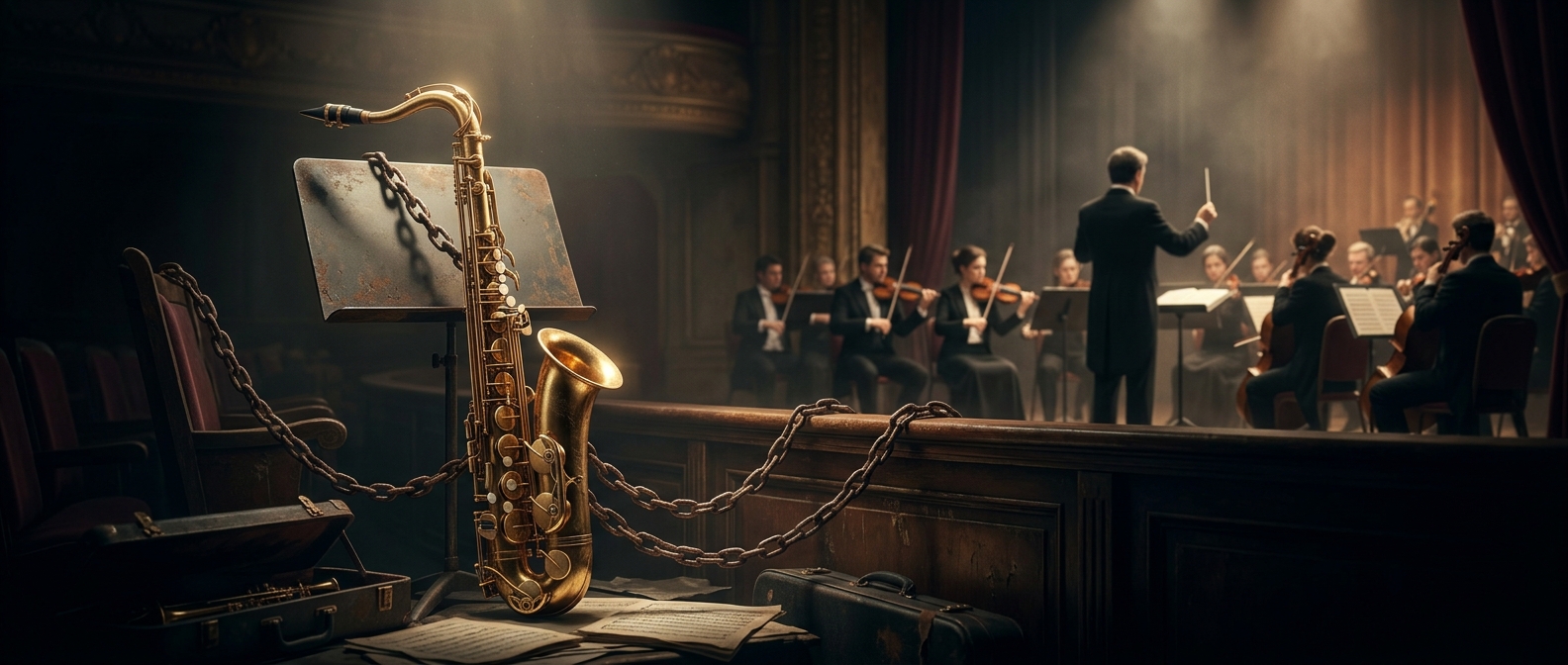
In eighteenth-century aristocratic life, music often belonged to a larger social occasion rather than commanding everyone’s undivided attention. An orchestra might perform during a meal or gathering, with conversation and games continuing around it. The music added energy and refinement to the event, but listeners were not necessarily expected to sit in silence from beginning to end.
Listening was shaped by who paid for the music
Much orchestral music depended on courts, wealthy households, or subscription concerts organized for paying audiences. In a palace or private gathering, the host set the evening’s priorities: music could accompany dining and sociability instead of interrupting them. Public concerts created more room for focused listening, but they, too, were social occasions, not yet governed by all the quiet, formal habits associated with modern concert halls.
That setting changed what it meant to “hear” a symphony. A listener might catch a striking tune or a sudden shift in volume while talking, then turn attention back to the orchestra. The composition still had structure and dramatic contrasts; the difference was that the audience’s attention could move in and out.
The concert hall’s silence came later
The modern expectation that a whole audience should face the stage and remain quiet is a convention, not a timeless condition of serious music. In the eighteenth century, a symphony could be both an artwork and part of an evening’s hospitality. Its sound filled the room—even when the room’s other activities kept going.