A souvenir that could imitate depth
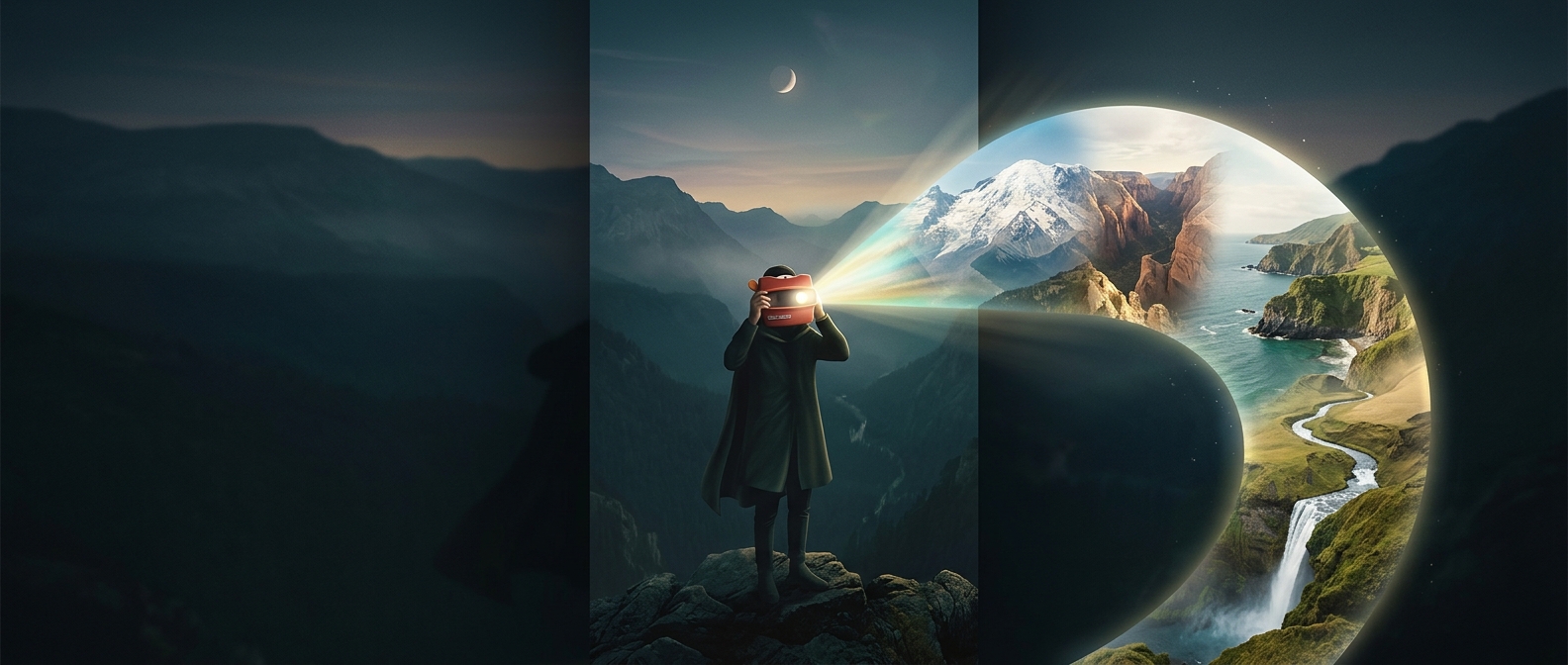
The View-Master’s appeal depended on a simple optical trick. Each reel held pairs of photographs, one for each eye. A viewer’s lenses kept the two images separate; the brain combined them into a single scene with a sense of depth. The photographs were still, but the result felt more like peering into a place than looking at an ordinary postcard.
That distinction mattered for travel. A postcard showed a destination as a flat picture that could be mailed or displayed. A View-Master let someone explore a sequence of carefully framed sights through a handheld viewer, even while staying at home. The reels turned sightseeing into something that could be replayed and passed around.
From travel keepsake to children’s toy
The format also suited places where visitors wanted a compact reminder of what they had seen. A reel could package several views together, and the viewer made those images feel more immersive than printed snapshots. The Grand Canyon was an especially apt subject: layered cliffs and distant rock formations gave the paired photographs plenty of visual depth to convey.
The device’s later association with children can obscure that original travel purpose. Its basic experience, however, stayed the same: a small, portable object that made a set of photographs feel like a brief visit. The View-Master did not need moving pictures to make tourism feel immersive; it used the viewer’s own two eyes.