The PlayStation began as a CD-ROM add-on for Nintendo
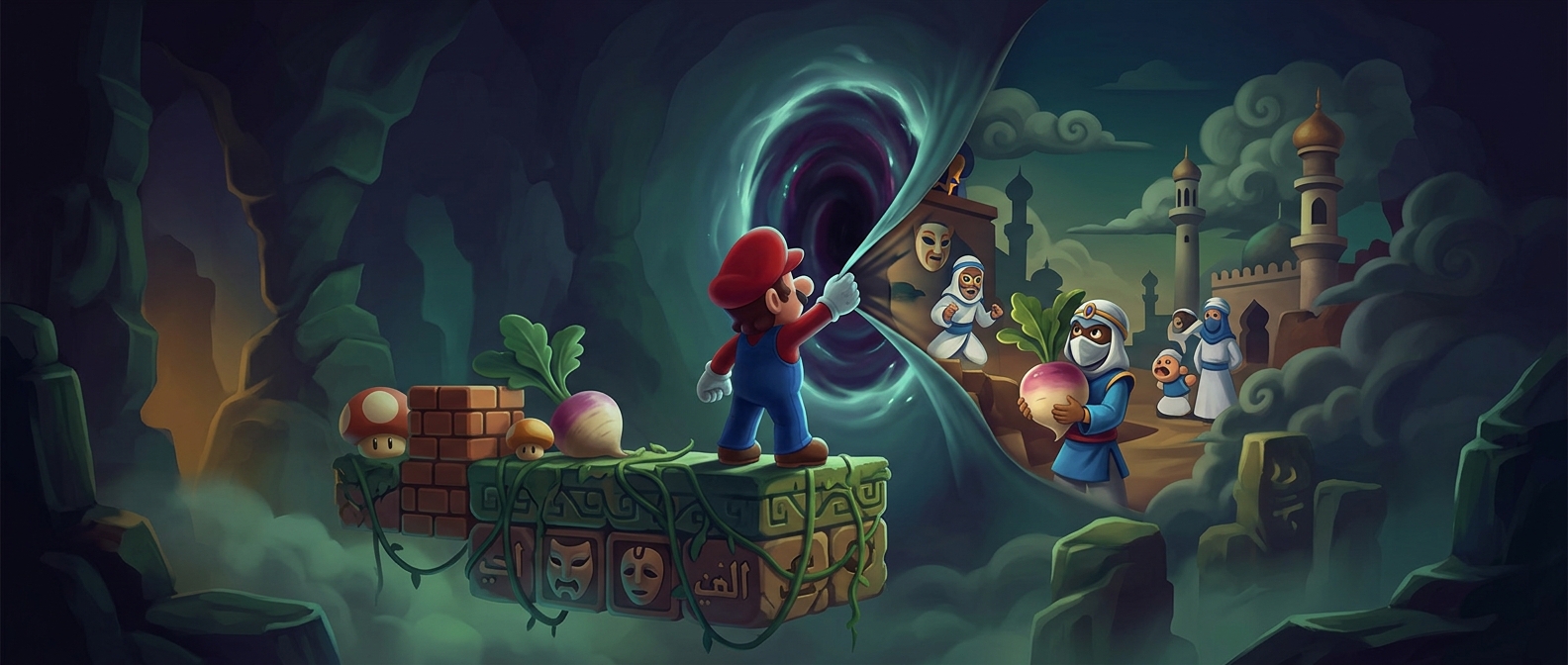
Sony’s original PlayStation was meant to work with Nintendo’s Super Nintendo Entertainment System, or SNES. The plan joined Nintendo’s popular cartridge-based console with Sony’s expertise in compact discs: a CD-ROM drive would let the SNES play games stored on discs as well as cartridges.
The arrangement made sense for both companies. CDs could hold far more data than cartridges, making room for richer music, speech, and visual content. Sony, meanwhile, would gain a foothold in the video-game business by supplying the add-on rather than launching a rival console of its own.
A partnership breaks, and Sony changes course
Sony showed a device called the “Play Station” in 1991, but the partnership unraveled. Nintendo objected to the proposed deal’s terms, particularly Sony’s control over revenue from disc-based games. It instead pursued a separate CD-ROM arrangement with Philips.
For Sony, that left a choice: abandon the project or build on the hardware and experience it had already developed. The company chose to make a standalone console. Rather than requiring an SNES, the new system would run its own games and use CDs as its primary format.
That shift changed the PlayStation from a bridge between two companies’ products into a direct competitor to Nintendo. The original idea still shaped the result: the console’s identity was built around disc-based games, which could carry far more data than the cartridges common at the time. A failed add-on deal became the starting point for Sony’s own console business.