A seat is part of the capsule’s structure
A spacecraft couch is shaped around the astronaut rather than designed as a general-purpose chair. Its contours support the head, back, and limbs, helping keep the body from shifting when the vehicle accelerates or jolts. Straps work with that shape to hold the occupant in position; a loose arm or leg could be uncomfortable at best and interfere with nearby equipment at worst.
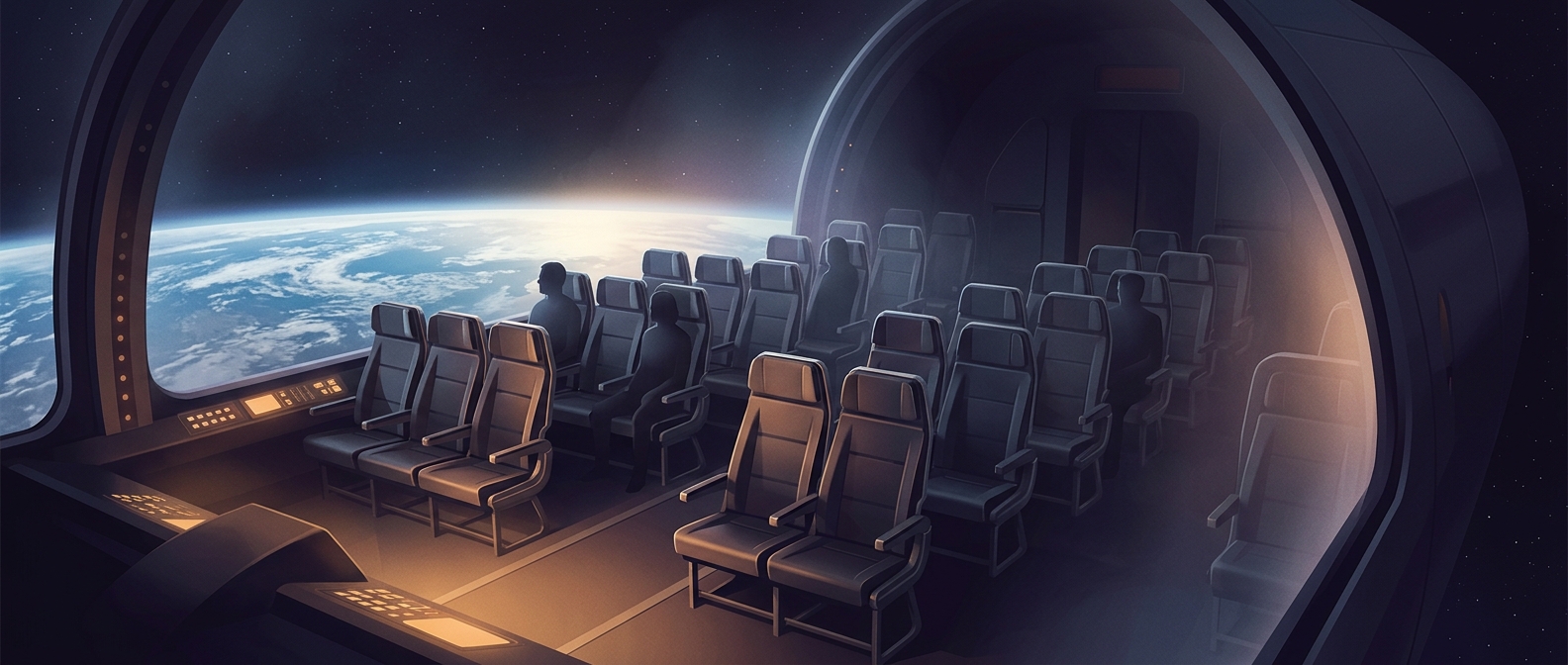
The fit also reflects a basic engineering tradeoff: every seat occupies cabin volume that must also house displays, wiring, storage, and life-support hardware. Designers arrange the crew and equipment together, instead of leaving the open aisle and flexible seating found in a bus. The result can look crowded, but it keeps people close to the controls and limits wasted space.
Why the shape matters in flight
During launch and landing, acceleration presses astronauts against their couches. A contoured surface spreads that force across more of the body than a narrow chair edge would, while restraints prevent the occupant from bouncing or sliding. The seat is therefore not just a place to sit; it helps the crew stay supported and oriented through the phases when the capsule is moving most forcefully.
That close fit is a compromise with a practical payoff: in a small cabin, a seat shaped for one person can protect that person without requiring the spacecraft to carry a roomy passenger compartment.