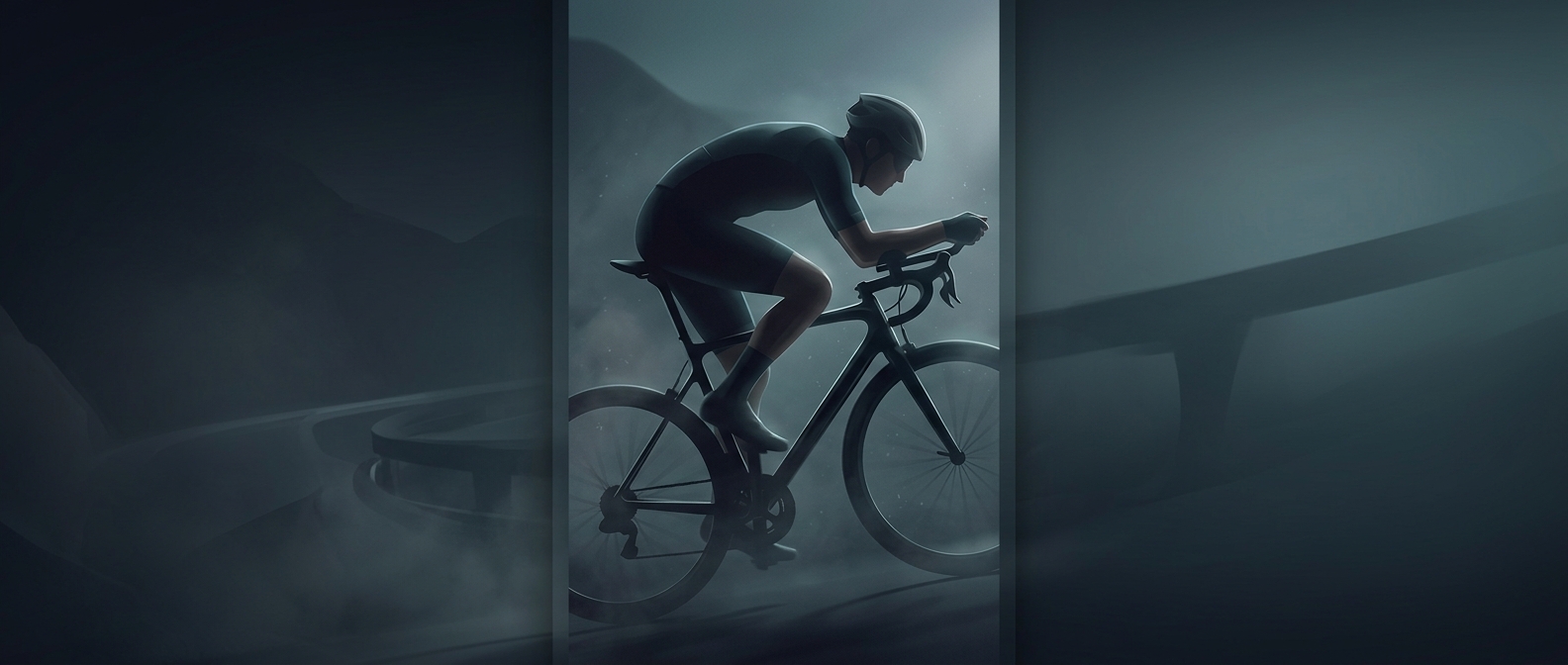
Why the Lower Hand Position Cuts Through the Air
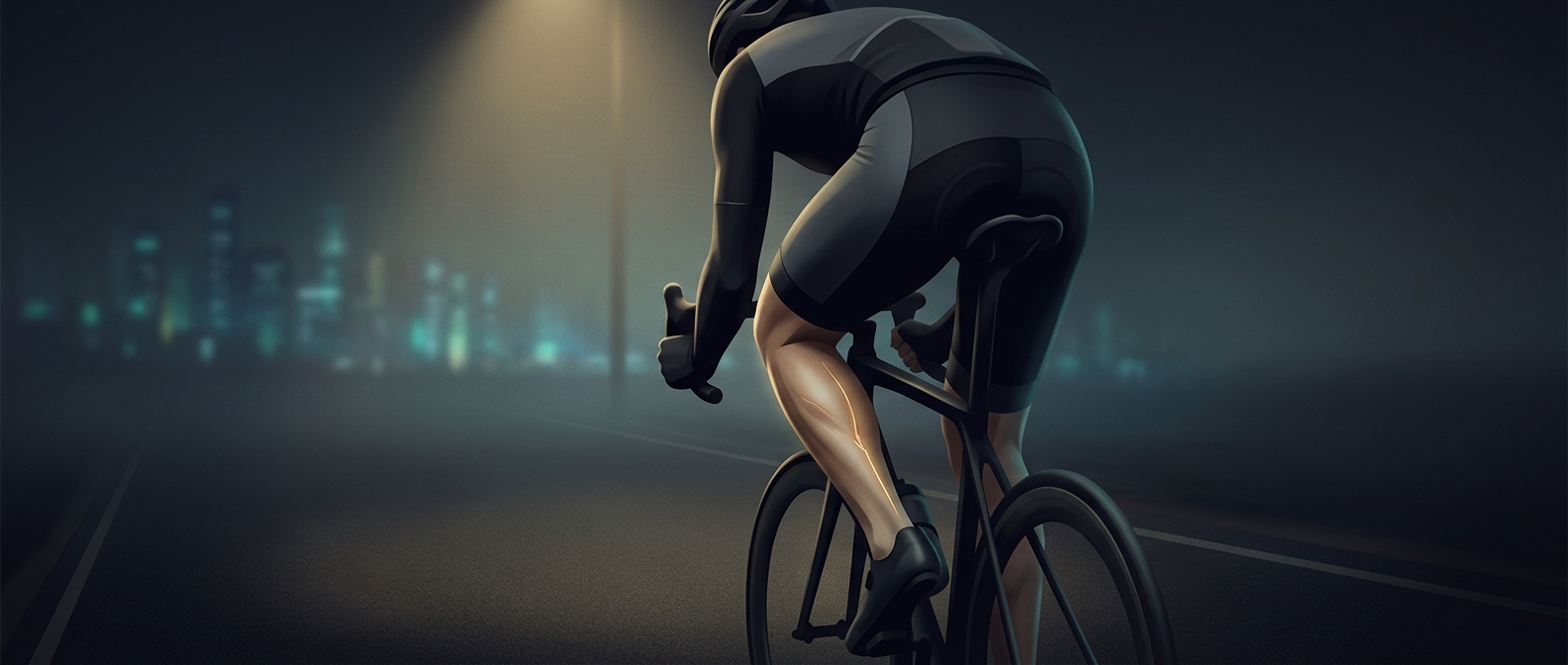
On a road bike, the curved lower sections of drop handlebars give a rider somewhere to place their hands well below the tops. That grip encourages bent elbows and a forward-leaning torso. The important change is not simply that the rider is shorter: less of the body faces directly into the oncoming air.
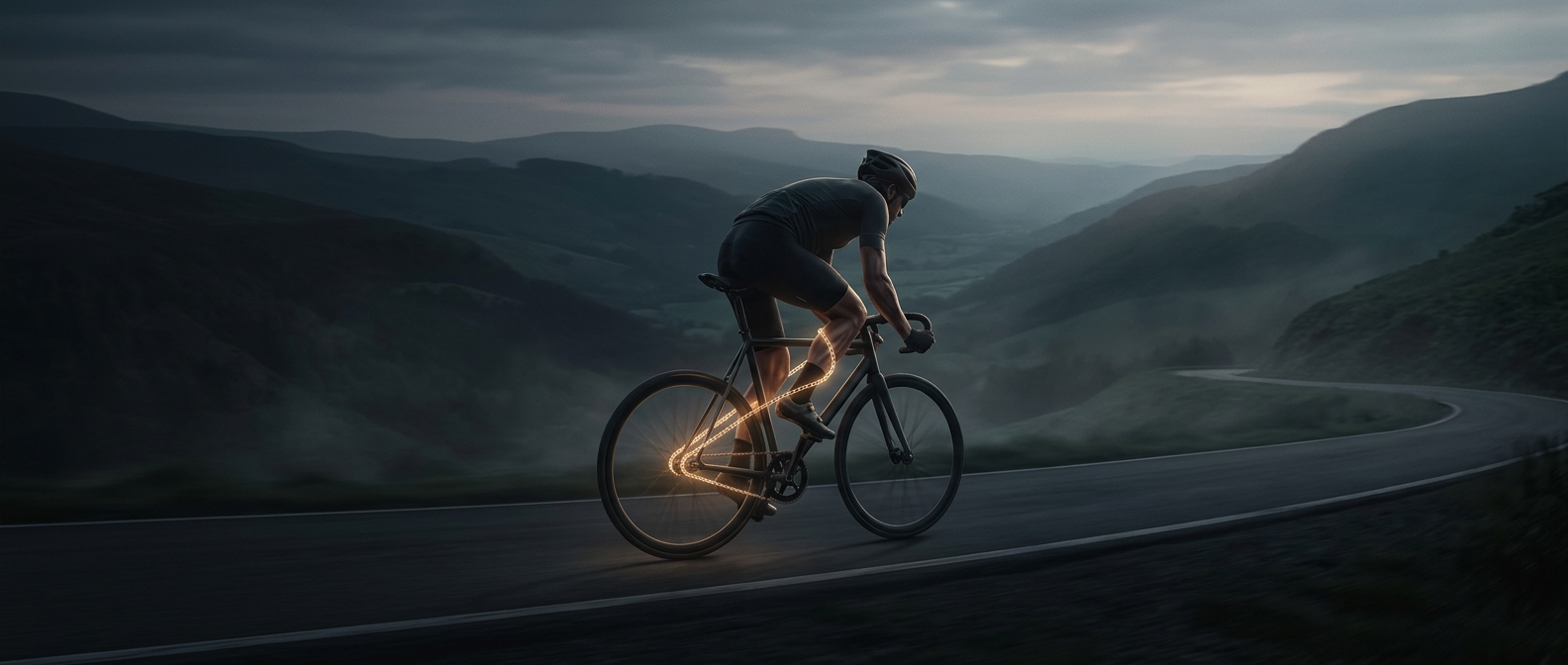
As a cyclist moves, air piles up against the front of the body and pushes back. This resistance, called aerodynamic drag, grows sharply with speed. Tucking the torso can reduce the area presented to the wind, so the rider spends less effort overcoming that push—especially when traveling fast or riding into a headwind.
A Tradeoff, Not a Free Speed Boost
The low position can be harder to hold. It may strain the back, shoulders, or neck, and the rider has to lift their gaze enough to see the road. With weight shifted forward and arms bent, steering and braking can also feel different from riding with hands on the higher bar tops.
That is why drop bars offer several hand positions rather than one ideal posture. A rider can sit more upright for comfort, climbing, or a clear view, then move lower when reducing wind resistance matters. The useful position is the lowest one the rider can maintain while still seeing, steering, and braking confidently.