Why the car had to go first
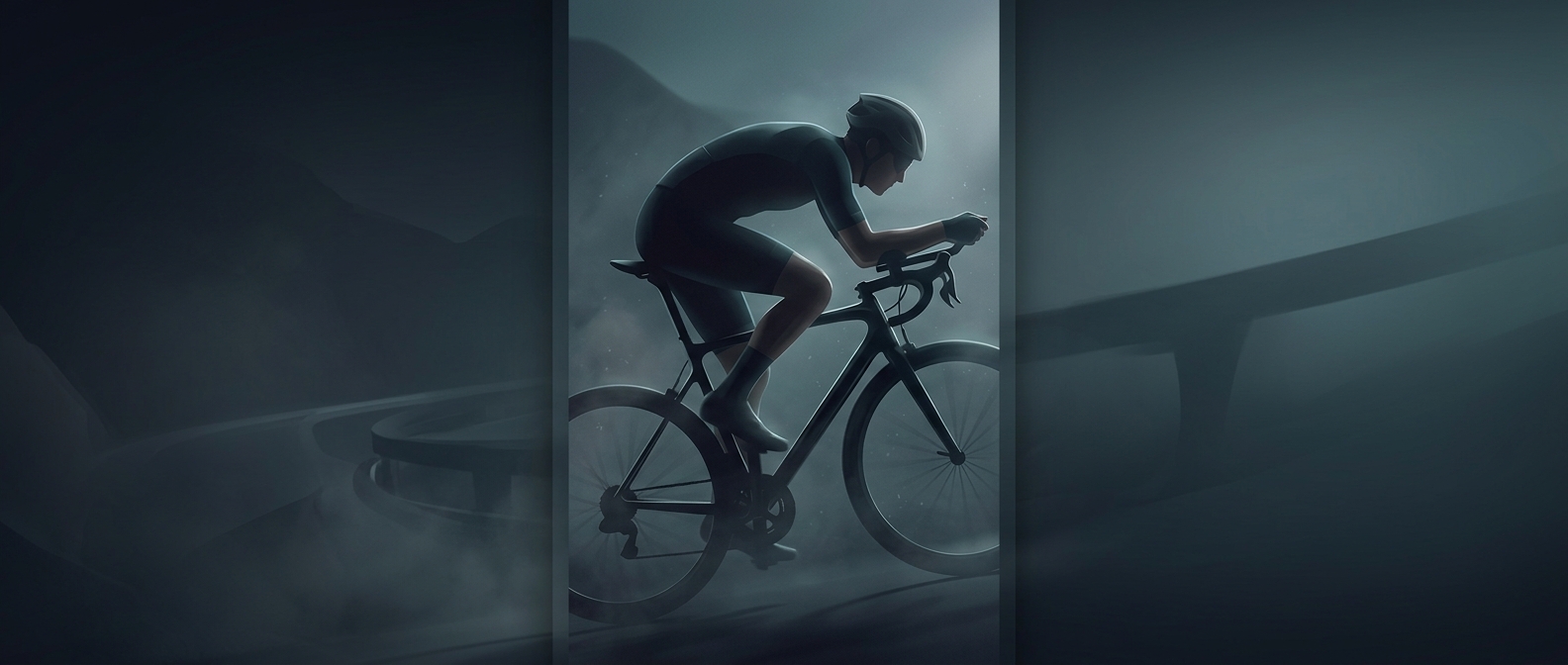
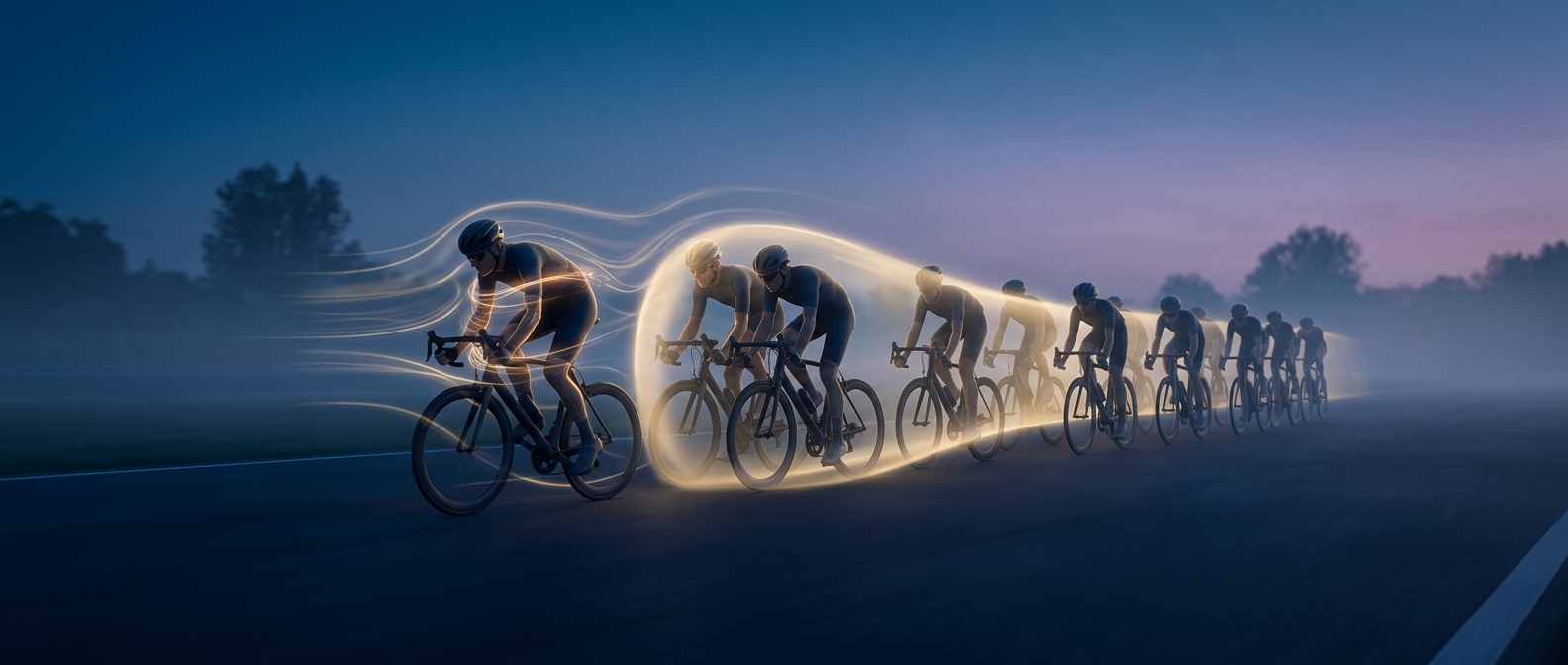
At very high speed, a cyclist is pushing against a wall of air. The faster the bike moves, the more sharply air resistance rises, so adding a little more speed demands much more power. A dragster can do what a bicycle cannot: force a broad path through the air and leave a wake behind it.
That wake is a moving pocket where the air is already traveling roughly in the same direction as the cyclist. The rider therefore encounters less wind rushing toward them, reducing the force that would otherwise push back against the bike. This is drafting taken to an extreme: the car is not towing the bicycle, but its aerodynamic wake makes the air the cyclist must cut through less hostile.
A narrow advantage, not a free ride
The benefit depends on staying in the right place. Too far behind the dragster, and the wake spreads out and loses much of its usefulness. Too close or off to one side, and the cyclist can meet stronger, less predictable airflow. The rider must hold a precise line while traveling at a speed where small steering or balance errors matter enormously.
The car’s job is to create the protected air; the cyclist still has to propel and control the bicycle. The arrangement also makes coordination essential: the two vehicles must accelerate together and remain aligned, with the rider relying on the dragster’s position rather than a clear view of open air ahead.
The record-setting speed was possible because the car changed the cyclist’s main opponent: instead of facing the full force of the oncoming air, the rider followed inside the path the dragster had already opened.