The clue has a hidden starting signal
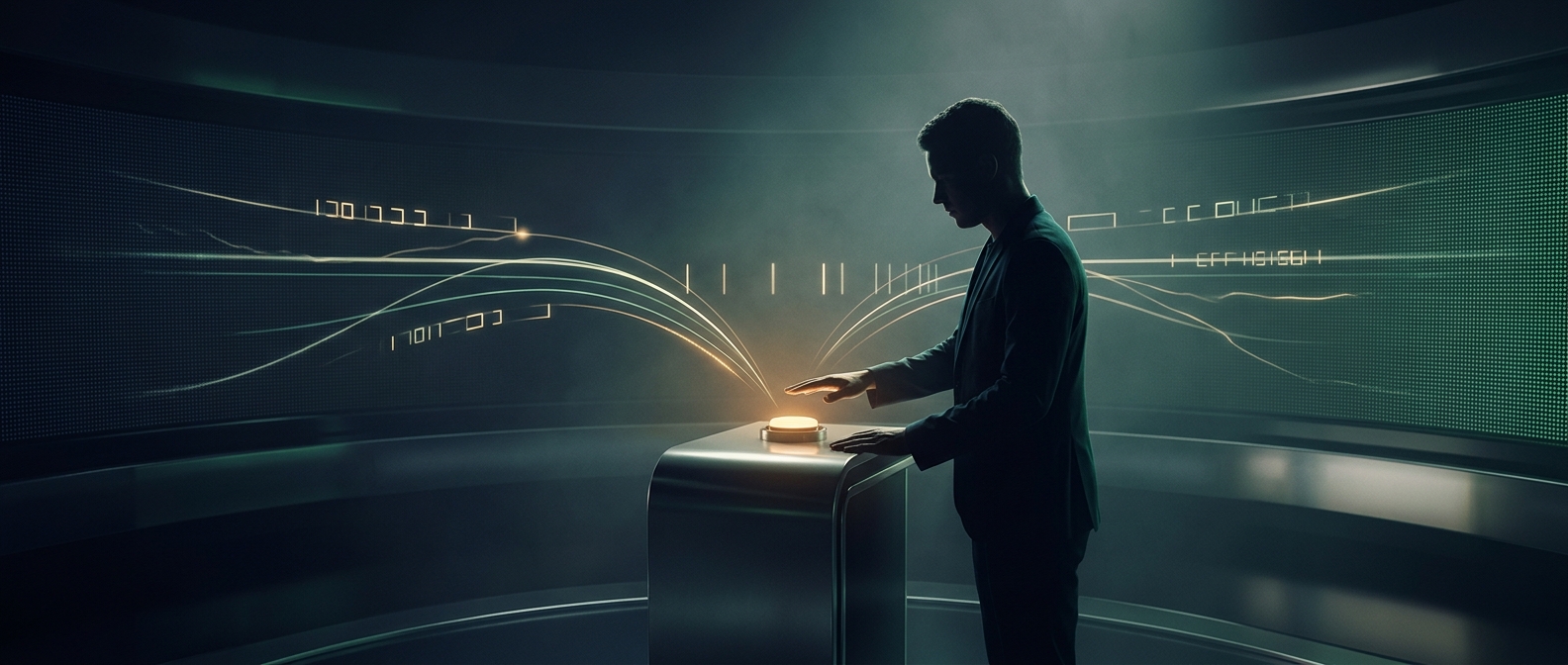
A contestant may know the response while the host is still reading the clue, but that knowledge does not let them buzz immediately. The signaling system must first be enabled. A light on the stage marks that moment, giving contestants a visual cue that they can try to signal in.
That cue matters because the host’s final words are not a reliable starting gun. Contestants hear the clue at different speeds and may anticipate its ending; the light gives everyone the same signal instead of rewarding whoever guesses when the reading is almost done.
A premature press costs an opening
Press too early and the system temporarily locks that contestant out. The button press is not saved for later: when the light signals that buzzing is allowed, the locked-out player cannot compete for that clue at that moment. Knowing the answer, then, is only part of the task. A contestant must also wait, watch, and react within a narrow window.
The lockout discourages contestants from hammering the buzzer before the signal and prevents an early press from becoming an unfair head start. It turns the light into more than a stage effect: it is the boundary between anticipation and a valid attempt. On a fast clue, the difference between being first and sitting silent can come down to waiting for that flash.