Cholesterol Becomes the Starting Material for Steroid Hormones
Testosterone and estrogen belong to a family called steroid hormones—chemical messengers built from a shared, ring-shaped molecular structure. Cholesterol supplies the starting framework. It is not turned into a sex hormone in one step: cells reshape it through a chain of enzyme-driven reactions, producing different hormones along the way.
The First Conversion Opens Several Routes
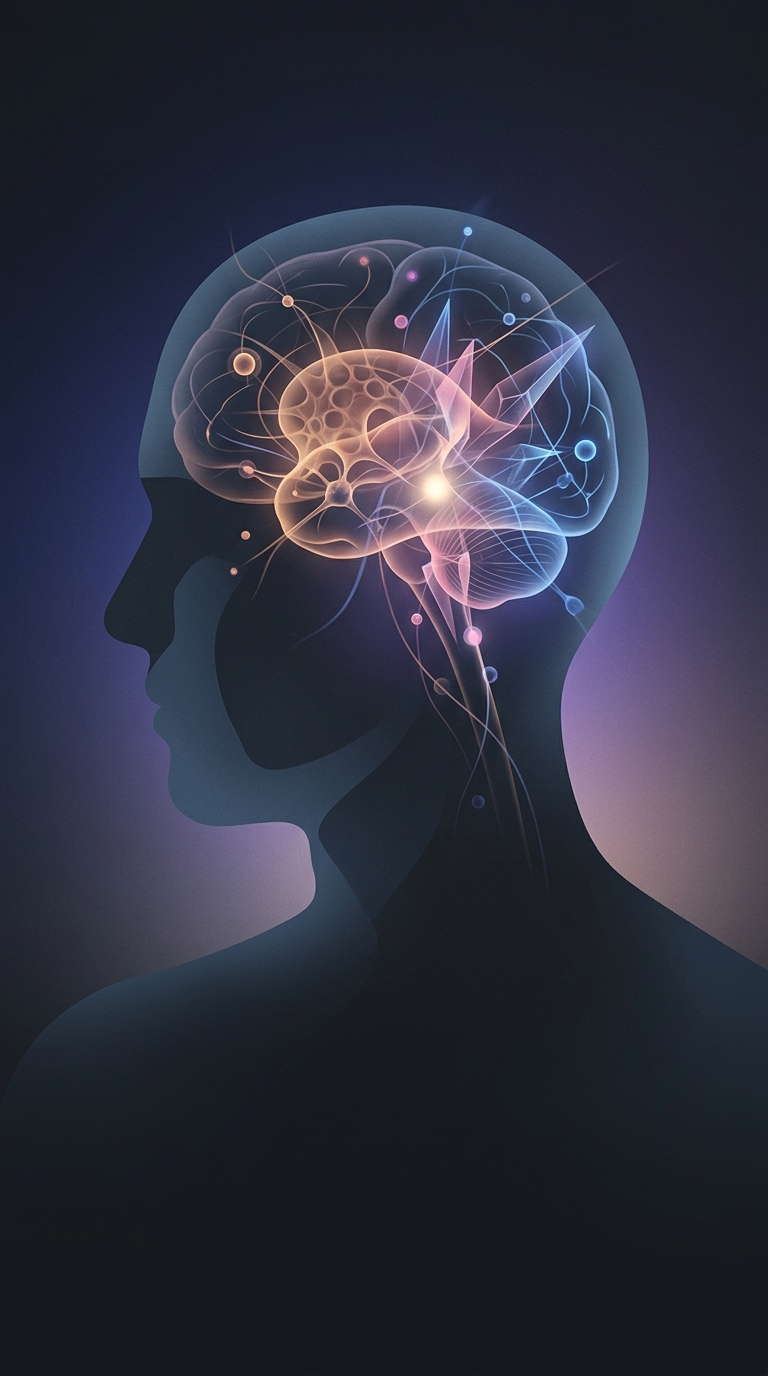
In hormone-producing cells, cholesterol is moved into mitochondria, the cell’s energy-processing compartments. An enzyme there converts it into pregnenolone, an early steroid that other enzymes can transform into hormones such as testosterone, estrogen, or progesterone. Which route a cell takes depends on the enzymes it has and the signals it receives.
The ovaries and testes make much of the body’s sex hormones. Other tissues, including the adrenal glands, also make steroid hormones or their precursors. Estrogen can also be made by converting other steroids, including testosterone, in certain tissues.
The Body Does Not Rely Only on Food
Cells can obtain cholesterol from the bloodstream or make it themselves, chiefly in the liver and other tissues. That gives hormone-producing cells a supply even when a person eats little cholesterol. It does not mean that dietary choices never affect blood cholesterol; it means food is not the sole source of the raw material.
The key distinction is that cholesterol is necessary but not sufficient: having it does not automatically produce a particular hormone. The cell’s enzymes and hormonal signals determine what gets made, and the same basic starting molecule can feed several different steroid pathways.