Why Hunger Can Make Anger Feel Closer
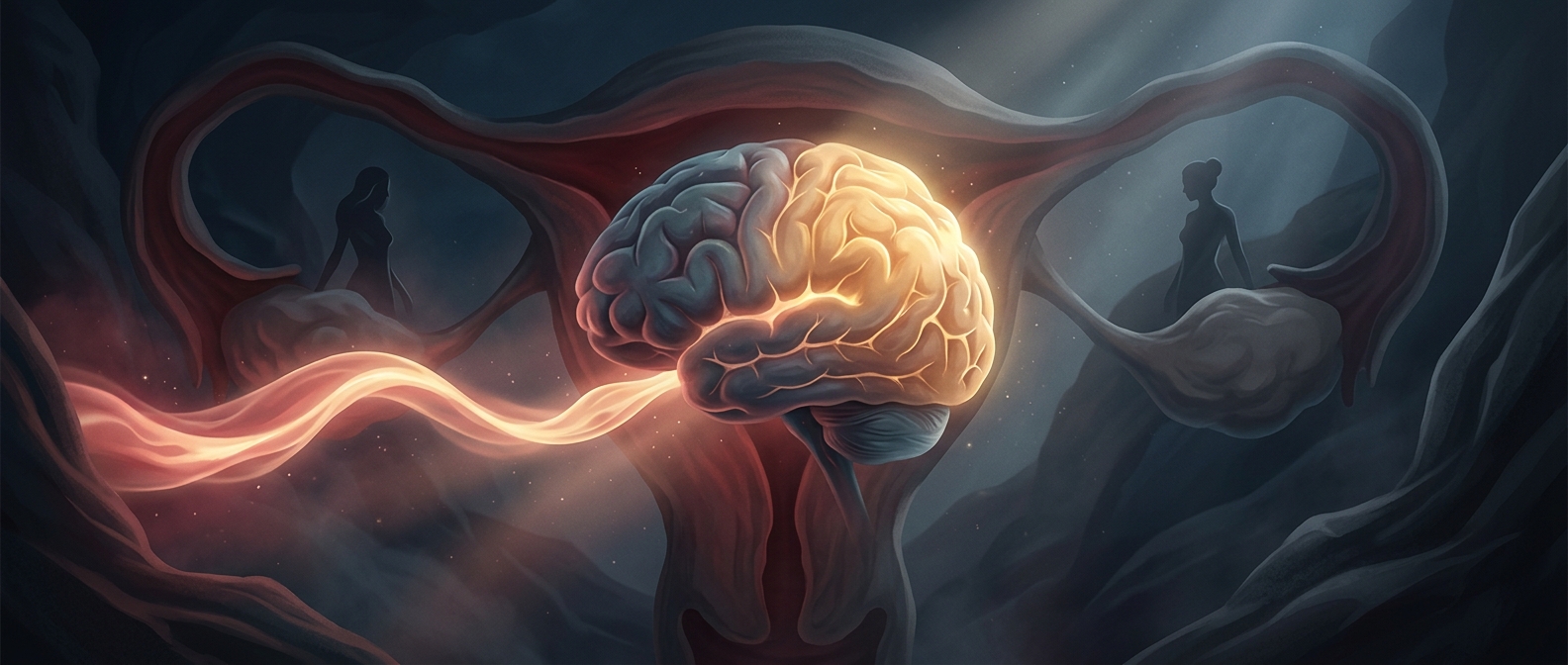
There is no single “anger chemical” released when lunch is late. Instead, hunger changes the signals reaching the brain—and can make it harder to keep irritation in check.
As the stomach empties, it releases ghrelin, a hormone that helps signal hunger to the brain. The brain also receives information about available nutrients and the body’s energy needs. These signals increase the urgency of finding food; they do not simply switch on rage.
The Brain Has Less Room for Patience
Hunger can make ordinary frustrations feel more pressing. When attention is pulled toward food and discomfort, it may take more effort to pause, interpret someone’s comment generously, or restrain a sharp response. Stress, tiredness, and the situation itself can add to the effect.
Blood sugar is part of the picture, but the familiar idea that a missed meal automatically sends it crashing is misleading for most healthy people. The body normally works to keep glucose—the brain’s main fuel—within a usable range between meals. A significant drop can affect mood and thinking, but it is not the routine explanation for every hungry outburst.
Why the Same Missed Meal Affects People Differently
The response depends on more than time since eating: sleep, stress, health, and whether someone has been eating regularly all matter. That is why one person may become snappish while another notices little change.
Food can ease the immediate hunger signal, but the memorable part is the combination: a body urging you to refuel and a mind with less patience for everything else. Often, the quickest route back to a calmer conversation is also the simplest—eat something, then revisit the argument.