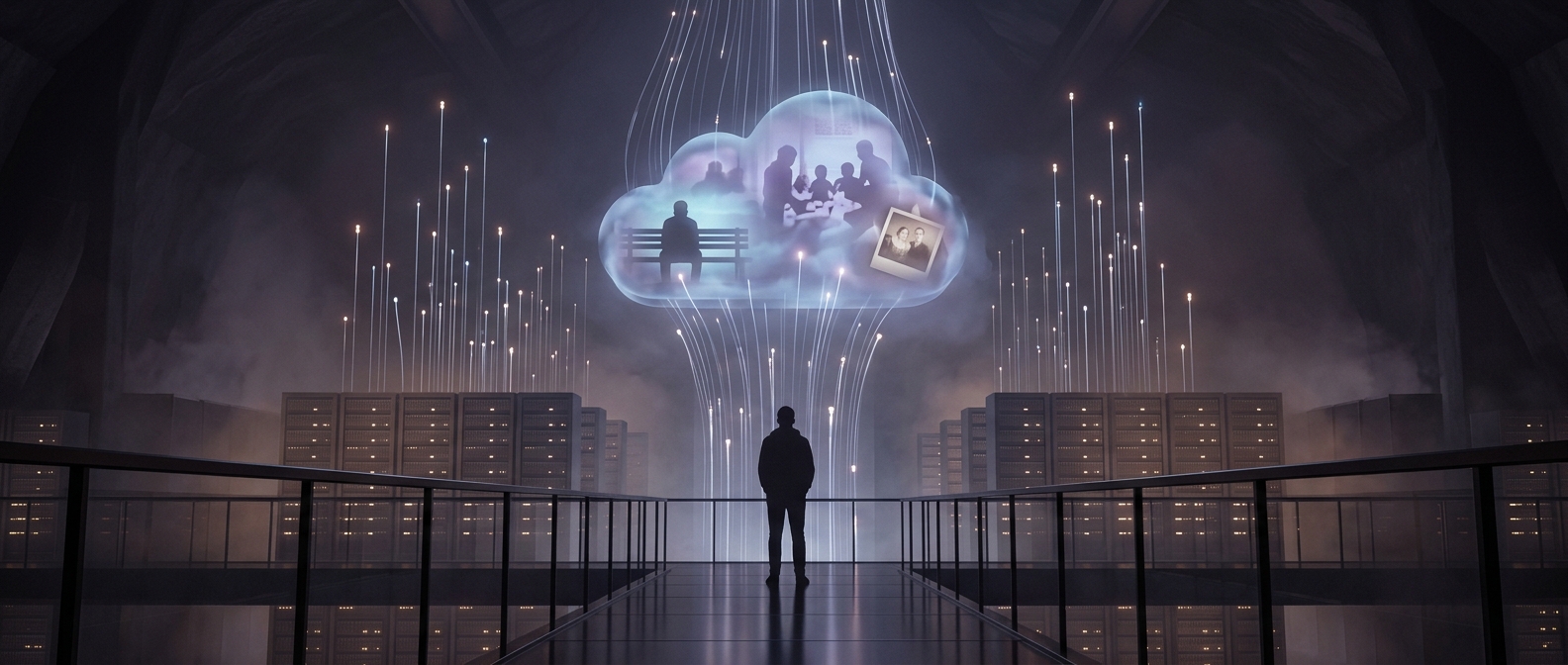
Your accounts do not all end the same way
When someone dies, an online account usually does not automatically become a family keepsake—or vanish at once. Each service has its own process for inactivity, death reports, and requests from relatives. A social profile might be converted into a memorial page, while stored photos, email, or files may remain behind a login that the family cannot use. In some cases, an account may eventually be removed under the service’s policies.
That difference reflects a basic tension: an account can contain valuable memories, but it can also hold private messages, financial information, and other people’s data. A platform may therefore require proof of death and evidence that the requester has authority before changing or releasing anything. Knowing a person’s password does not necessarily settle what the service will permit.
What a digital executor can—and cannot—do
A digital executor is someone chosen to manage a person’s online affairs after death. The role might include finding accounts, asking services to preserve or close them, and carrying out instructions about photos, subscriptions, or files. But the title does not automatically grant access: a service’s policies and applicable law can limit what a representative may do, especially with private communications.
The most useful preparation is specific. A person can record which accounts matter, what should happen to each, and where to find any instructions for the service’s inactive-account or memorialization tools. Passwords and recovery codes should be handled securely rather than left in an ordinary document that could expose the accounts while the person is alive.
A decision made now can prevent a loss later
Without clear instructions, relatives may have to guess whether to preserve a profile, retrieve family photographs, or close an account—and they may discover that the service cannot provide what they hoped to save. Planning turns that uncertainty into a set of choices made by the account holder, while the account is still accessible and those choices can be recorded.