How a rib can form in the neck
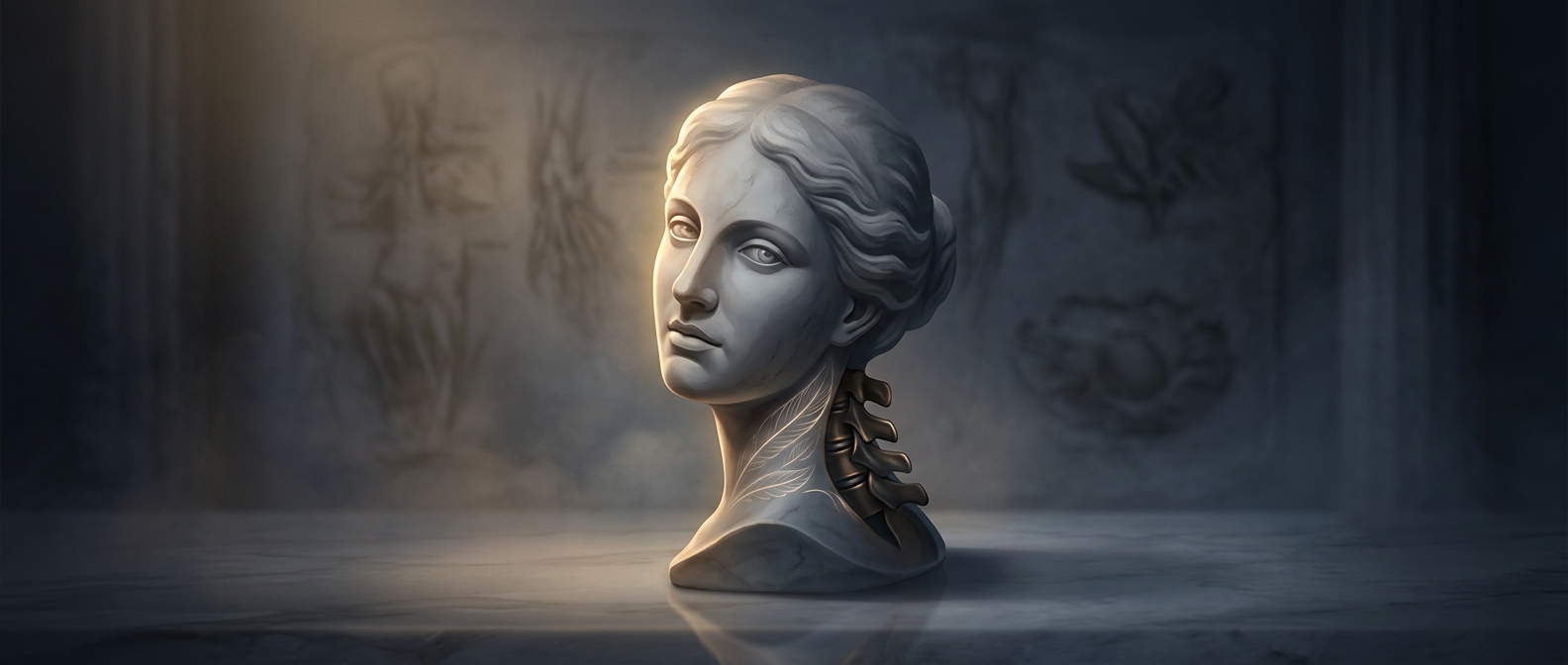
Ribs develop alongside the vertebrae—the bones stacked to make the spine. In most people, the rib-bearing pattern is confined to the chest. A cervical rib is an extra rib-like bone that develops next to a vertebra in the neck, usually the lowest one. It may be a small projection or a more complete bone, and it can occur on one side or both.
This is a developmental variation, established before birth. It does not mean that a chest rib has gone missing or that the body has shifted a rib upward. The neck bone forms in a place where ribs ordinarily do not.
Often unnoticed, sometimes consequential
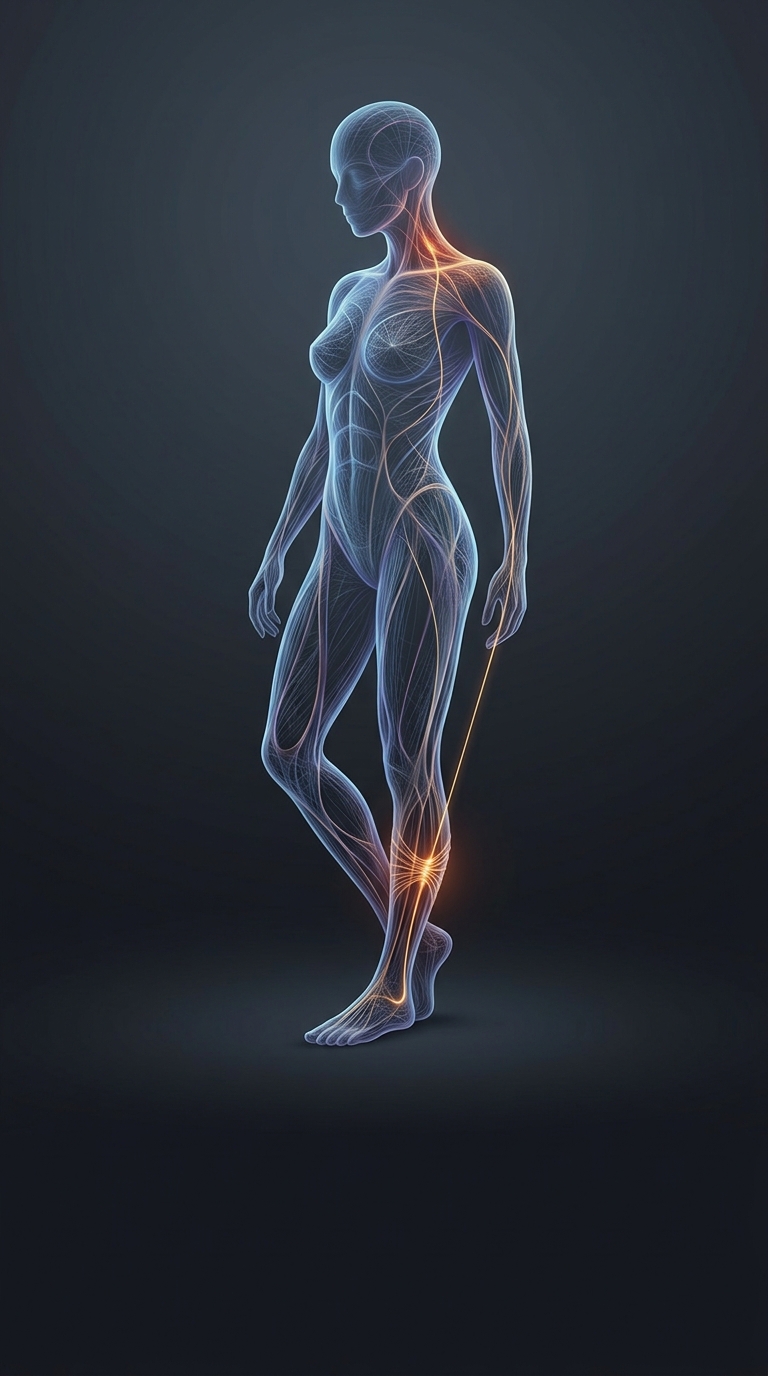
Many people with a cervical rib never know they have one. It may be discovered incidentally on an X-ray taken for another reason. In some cases, however, the extra bone narrows the passage between the neck and shoulder. Nerves or blood vessels traveling into the arm can be compressed there, causing symptoms such as pain, tingling, weakness, or changes in circulation. Doctors assess the symptoms and the surrounding anatomy rather than treating the mere presence of the bone as a problem.
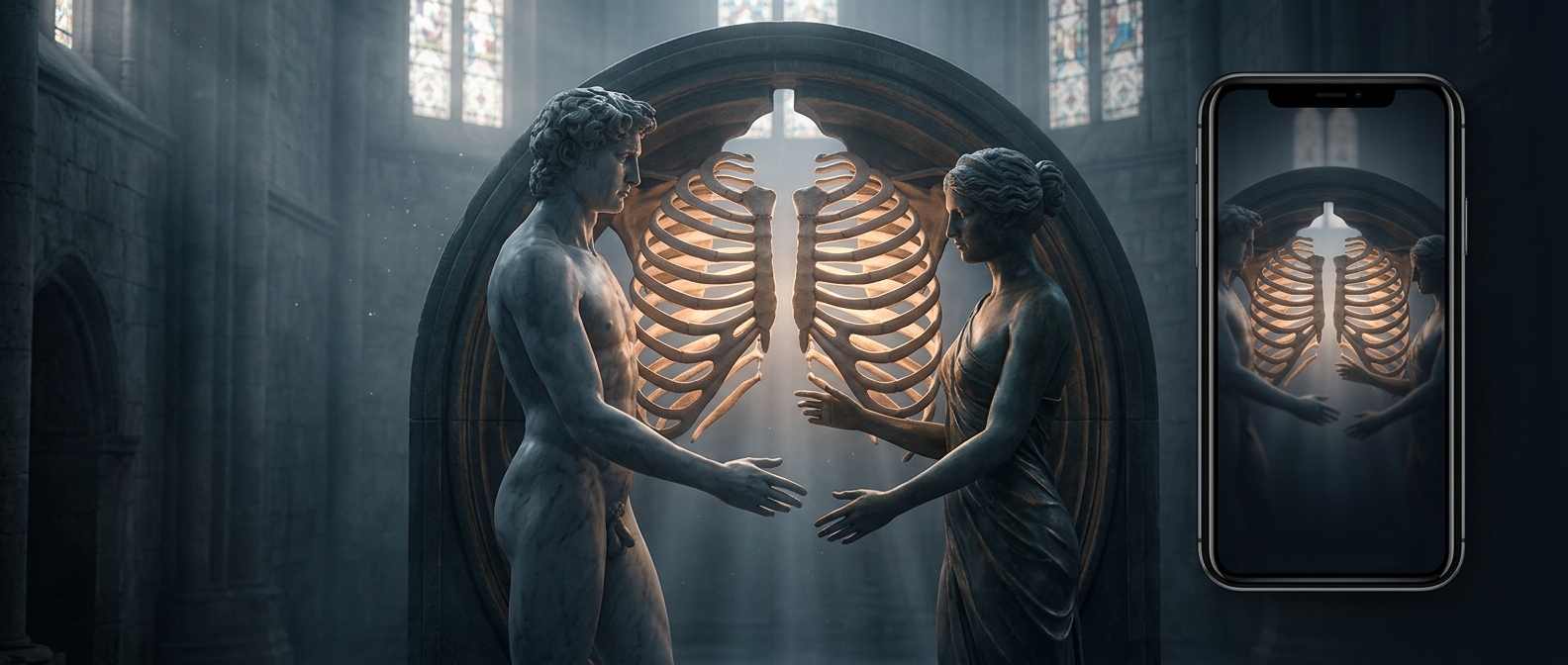
That distinction is why an unusual rib count does not, by itself, reveal anything about a person’s sex or about the story of how human bodies were made. A cervical rib is a small variation in skeletal development—not evidence of a rib missing from anyone else.