A game accusation can sound like a real one
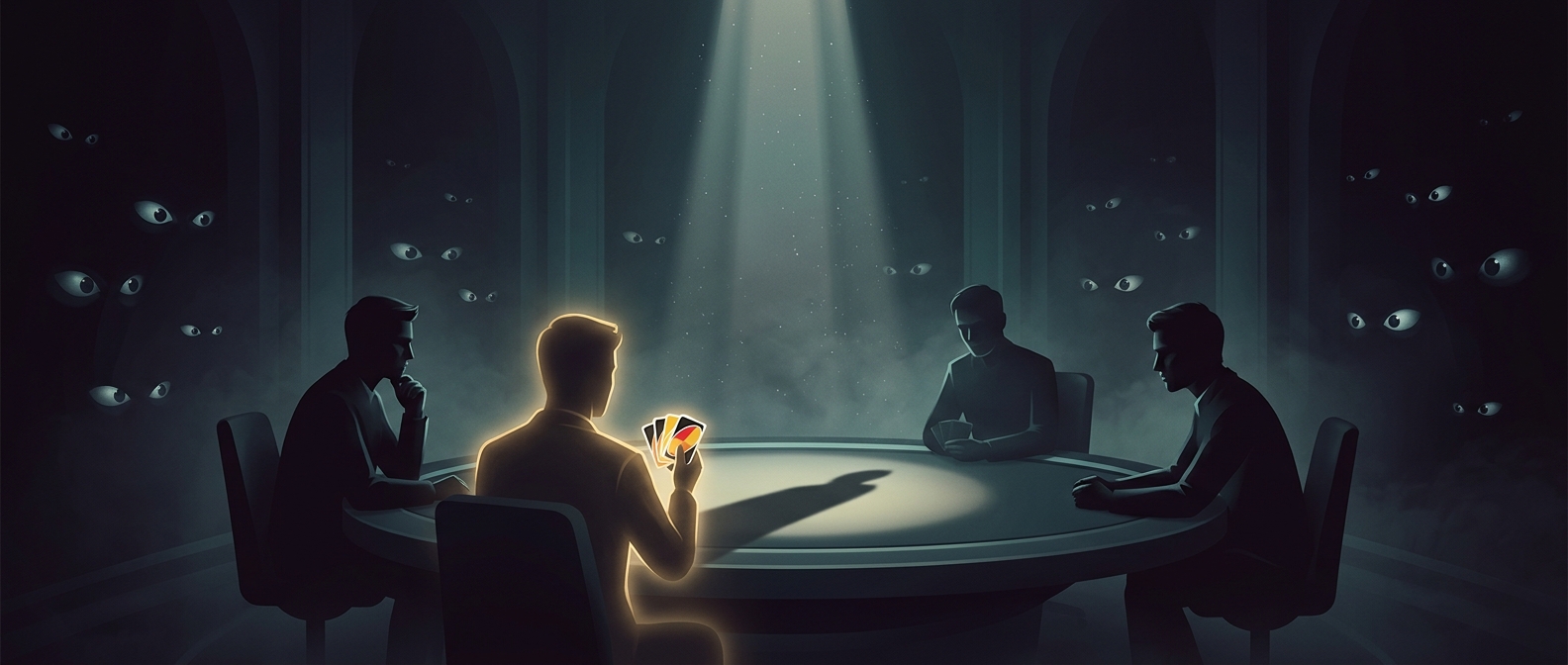
In Among Us, players share a task: identify the impostors before they eliminate everyone else. But most players cannot see the whole board. They must infer what happened from partial clues—who was nearby, who reported a body, and whether a story fits the timing. An impostor, meanwhile, is rewarded for sounding like a trustworthy crewmate.
That creates a peculiar mix: friends use their real knowledge of one another to make judgments inside a game built around deliberate deception. A pause, a confident denial, or an oddly specific explanation can become evidence, even though none of those cues reliably proves who is lying.
The argument is part of the play
The group is not simply solving a puzzle; it is negotiating what counts as a convincing account. Players interrupt, defend themselves, form alliances, and vote under pressure. When someone is wrongly accused, the dispute can feel personal—not because the accusation necessarily reflects a genuine belief about their character, but because it puts their credibility on trial in front of friends.
The rules also make betrayal useful. A close friend may lie, frame someone, or abandon an ally because that is the move that helps them win. In ordinary conversation, those actions would carry different meanings. During a round, they are strategic choices. The friction comes from switching between those interpretations faster than the feelings can catch up.
Why it can linger after the round
Once the game ends, players may revisit the same moment with different standards: one remembers a clever bluff; another remembers being singled out or ignored. A joke accusation can land badly if it echoes a real insecurity, and repeated rounds can make a temporary role—“the one nobody believes”—feel like a social pattern.
The game does not reveal who is truly trustworthy. It gives friends a reason to test trust in public, with incomplete evidence and a winner at stake. That is why the most memorable argument may continue after the impostor has already been found.