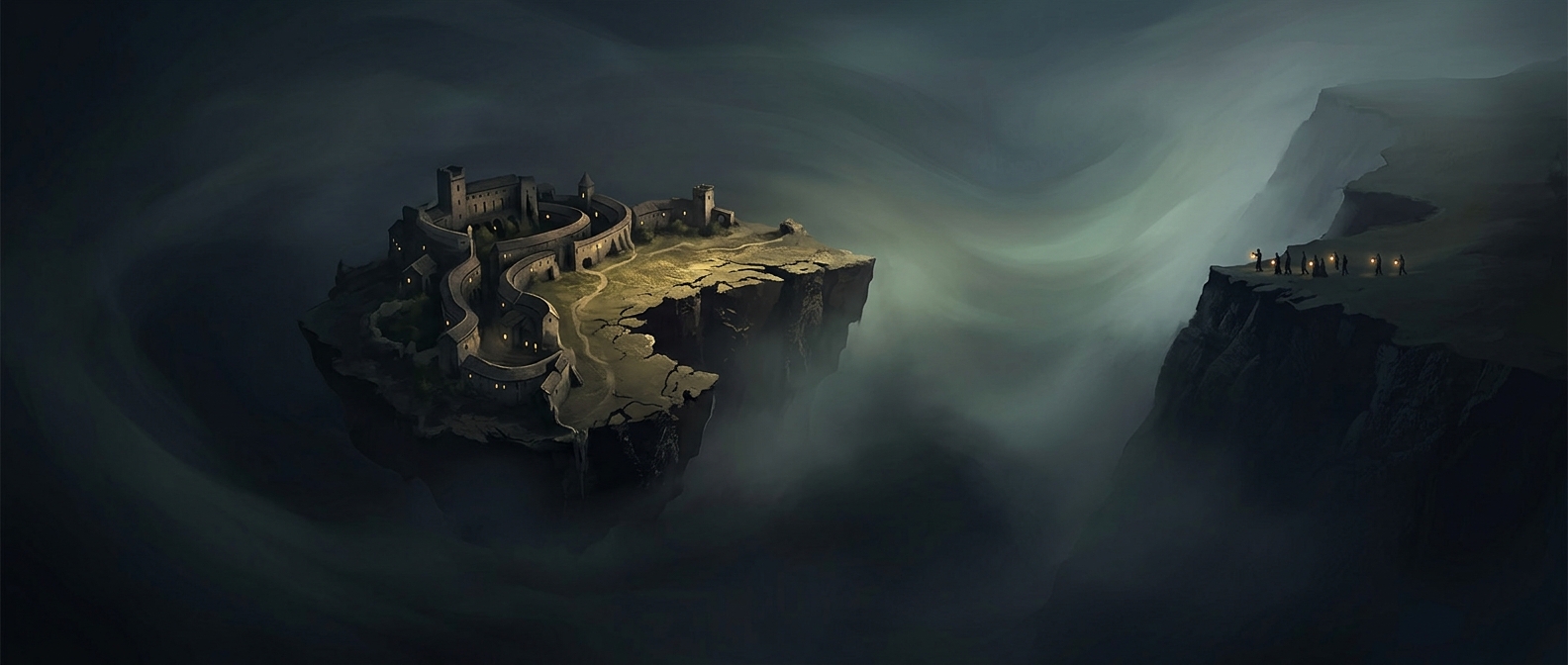
A border that changes without moving
Pheasant Island is a rare example of a condominium: a place governed jointly by two countries. France and Spain do not divide the small island into separate halves. Instead, they take turns administering it, each for six months. The river, the island’s position, and the international border remain where they are; what changes is which country is responsible for it.
The arrangement grew from a peace settlement
The island’s role is tied to the Treaty of the Pyrenees, the agreement that ended a conflict between France and Spain in 1659. Negotiations took place on the island, making this modest patch of ground a setting for diplomacy between the neighboring powers. Its shared status became a way to manage a sensitive border area without assigning it permanently to just one side.
The six-month rotation turns that compromise into a practical routine. Administration passes back and forth on a schedule, rather than through a new treaty or a redrawing of the boundary each year. There is no population to relocate and no everyday community whose services must switch countries; the island is uninhabited.
A small place with an unusual political life
For most borderlands, the line on a map separates one country’s territory from another’s. Here, sovereignty—the authority to govern a place—is shared over time. The island’s arrangement shows how borders can be managed through cooperation as well as division: the territory stays fixed while responsibility alternates.
That makes Pheasant Island more than a curiosity in the river. Its handover is a living remnant of a diplomatic settlement, repeated on a six-month cycle in a place where almost nothing else needs to change.